
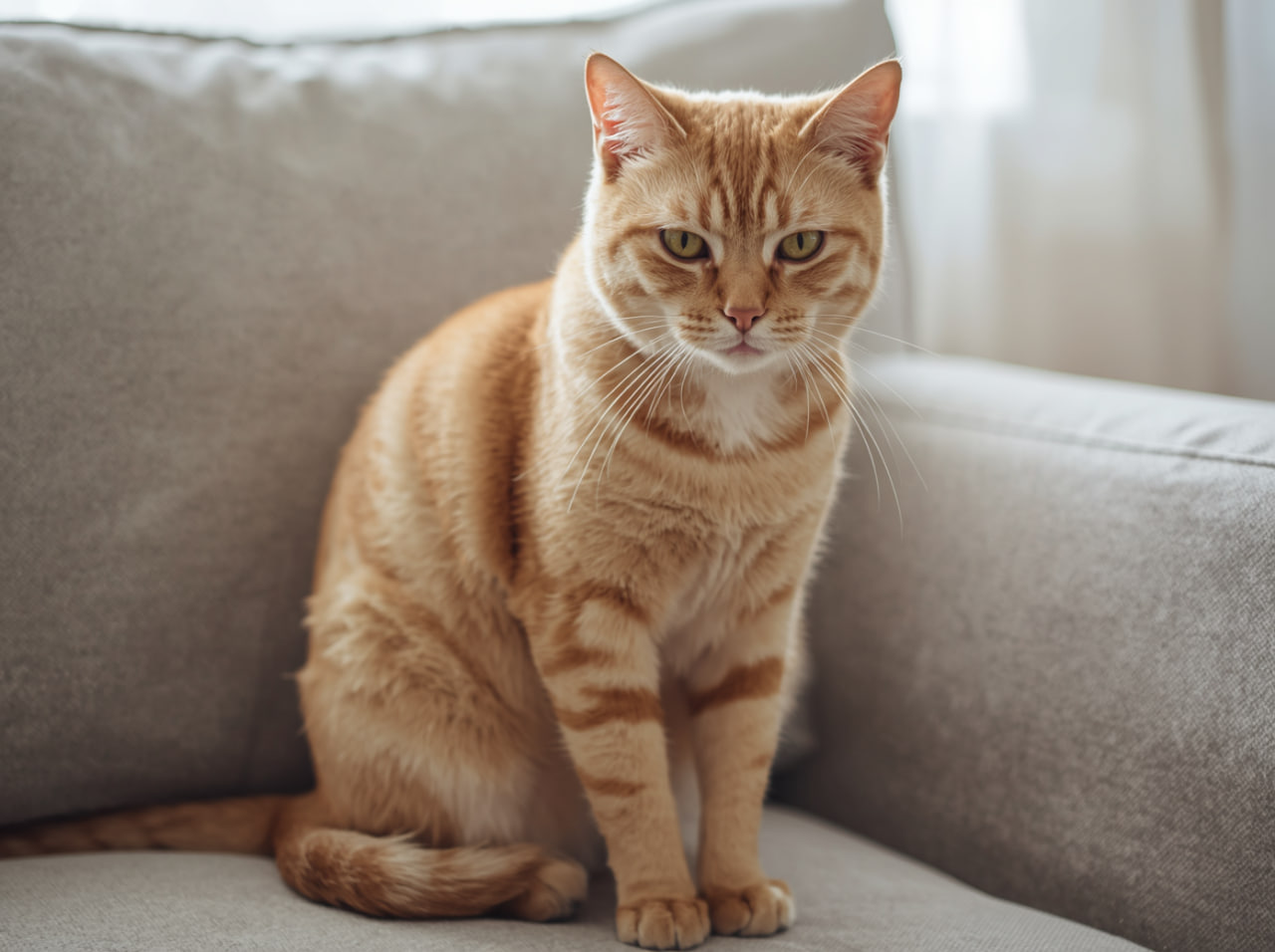
Finding clumps of cat fur on your furniture or noticing bald patches developing on your cat’s coat is understandably alarming. Some degree of shedding is completely normal for cats — they shed their coat seasonally and throughout the year — but excessive or patchy hair loss, known medically as alopecia, is a signal that something is wrong. The cause may be as straightforward as seasonal shedding or as complex as a hormonal disorder, but identifying it correctly determines the appropriate response. This comprehensive guide covers the most common causes of feline hair loss, how to distinguish normal shedding from a clinical problem, and exactly when a veterinary visit is warranted.
Normal Shedding vs. Abnormal Hair Loss: How to Tell the Difference
All cats shed, and all healthy cats shed more during certain seasons — particularly in spring when the winter coat is replaced, and in autumn. Normal shedding is characterized by:
- Even distribution throughout the coat — no bare patches or thinning in specific areas
- Hair that releases easily when gently stroked — loose dead hair rather than breakage
- Normal skin visible when the hair is parted — no redness, scaling, or sores
- The cat is not scratching, chewing, or licking at the shedding areas excessively
Abnormal hair loss, by contrast, is characterized by any of the following: visible bald patches or clearly thinning areas, asymmetrical distribution (more loss on one side than the other), redness, scaling, crusting, or sores on the exposed skin, the cat actively chewing, licking, or scratching at the area of loss, or sudden onset rather than gradual seasonal change.
The Most Common Causes of Cat Hair Loss
1. Allergies — Environmental and Food
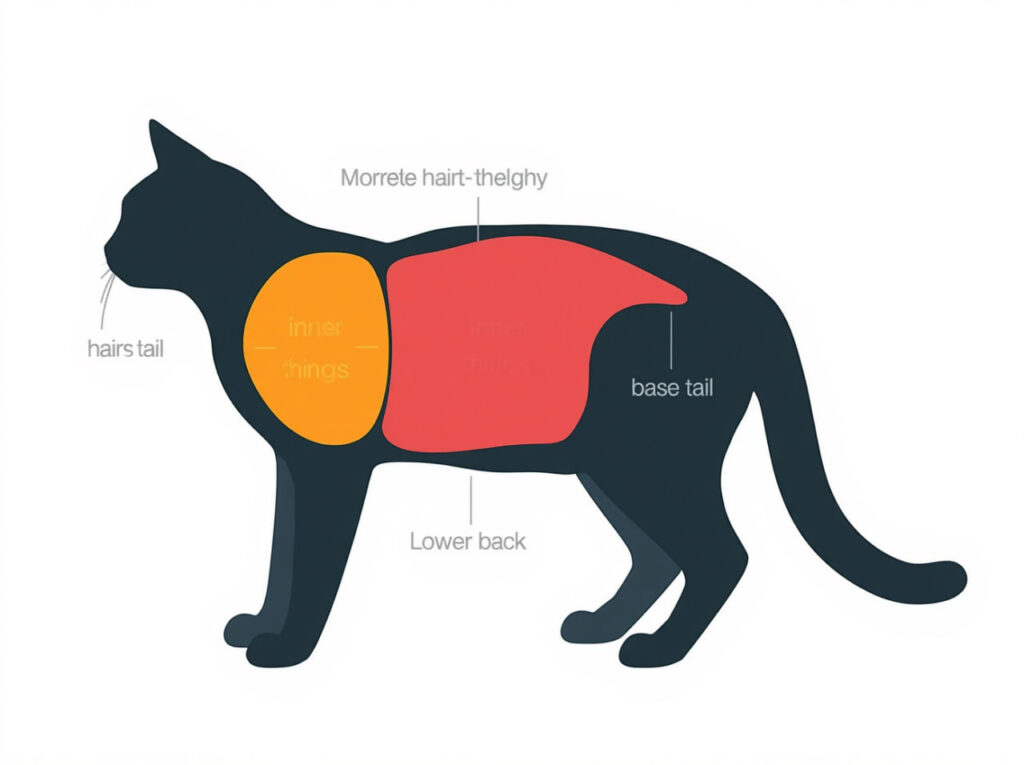
Allergies are one of the most common causes of hair loss in cats. Environmental allergies (to pollen, dust mites, mold, or other household allergens) and food allergies both cause intense itching that leads to over-grooming — the cat licks, chews, and scratches at the affected areas until the fur is damaged or removed entirely. Food allergies in cats most commonly involve beef, chicken, dairy, fish, and eggs — ingredients that appear in many commercial cat foods. Allergy-related hair loss typically affects the belly, inner thighs, and lower back — areas the cat can most easily access with its tongue.
2. Flea Allergy Dermatitis
Even a single flea bite on an allergic cat can trigger intense, prolonged itching and over-grooming. Flea allergy dermatitis (FAD) produces hair loss concentrated at the base of the tail, along the lower back, and on the inner thighs — precisely where fleas prefer to feed. You may not see fleas on your cat — the itching drives vigorous self-grooming that removes them — but flea dirt (small black specks that turn red-brown when wet) may be visible at the skin surface. Year-round veterinary-grade flea prevention is essential for any cat with FAD.
3. Psychogenic Alopecia — Stress-Induced Over-Grooming
Psychogenic alopecia occurs when a cat over-grooms compulsively as a response to stress or anxiety. The cat uses grooming as a self-soothing behavior, and over time the repetitive licking removes fur in the areas the cat can most easily reach — typically the belly, inner legs, and lower back. The skin in these areas typically appears normal on examination — no redness, scaling, or parasites — which distinguishes psychogenic alopecia from other causes. Common triggers include: a new pet in the household, moving home, changes in routine, the loss of a companion, or any significant environmental stressor.
4. Ringworm (Dermatophytosis)
Despite its name, ringworm is not a worm — it is a fungal skin infection caused by Microsporum canis and related species. It produces characteristic circular or irregular patches of hair loss with scaling or crusting at the edges and slightly reddened skin beneath. Ringworm is highly contagious between animals and between animals and humans, making prompt veterinary diagnosis and treatment important. Diagnosis is confirmed by fungal culture and Wood’s lamp examination.
5. Hormonal Imbalances
Several hormonal conditions cause symmetrical coat thinning in cats. Hyperthyroidism — the most common endocrine disorder in cats over 8 years old — can cause a rough, unkempt, thinning coat alongside the classic signs of weight loss despite increased appetite, increased thirst and urination, and hyperactivity. Cushing’s disease (hyperadrenocorticism), while less common in cats than dogs, also causes bilateral symmetrical hair thinning. Hormonal hair loss typically produces even thinning on both sides of the body simultaneously rather than patchy loss.
6. Skin Infections — Bacterial and Yeast
Secondary bacterial infections (pyoderma) and Malassezia yeast overgrowth frequently develop in areas where the skin barrier has been disrupted by scratching or underlying inflammation. They produce scaly, crusty, inflamed skin with associated hair loss and often a distinctive odor. Both respond to appropriate veterinary treatment with antibiotics or antifungals respectively.
7. Poor Nutrition and Nutritional Deficiencies
A diet lacking adequate protein, omega-3 and omega-6 fatty acids, zinc, or biotin can cause coat deterioration characterized by dullness, brittleness, and increased shedding. Cats fed exclusively on poor-quality food, or on nutritionally incomplete homemade diets without veterinary guidance, are most at risk. Switching to a nutritionally complete, high-quality commercial diet typically resolves nutritional coat problems within several months.
When to See a Veterinarian
Schedule a veterinary appointment if your cat shows any of the following:
- Visible bald patches or clearly defined areas of thinning
- Redness, scaling, crusting, or sores on the skin beneath the hair loss
- Intense or compulsive scratching, licking, or biting at the affected area
- Hair loss that has developed rapidly or progressed over several weeks
- Any evidence of fleas or flea dirt in the coat
- Hair loss accompanied by other symptoms: weight change, changes in appetite or thirst, behavioral changes, or lethargy
- Circular or ring-shaped patches — these are the classic appearance of ringworm and require prompt diagnosis given its contagious nature
What to Expect at the Veterinary Appointment
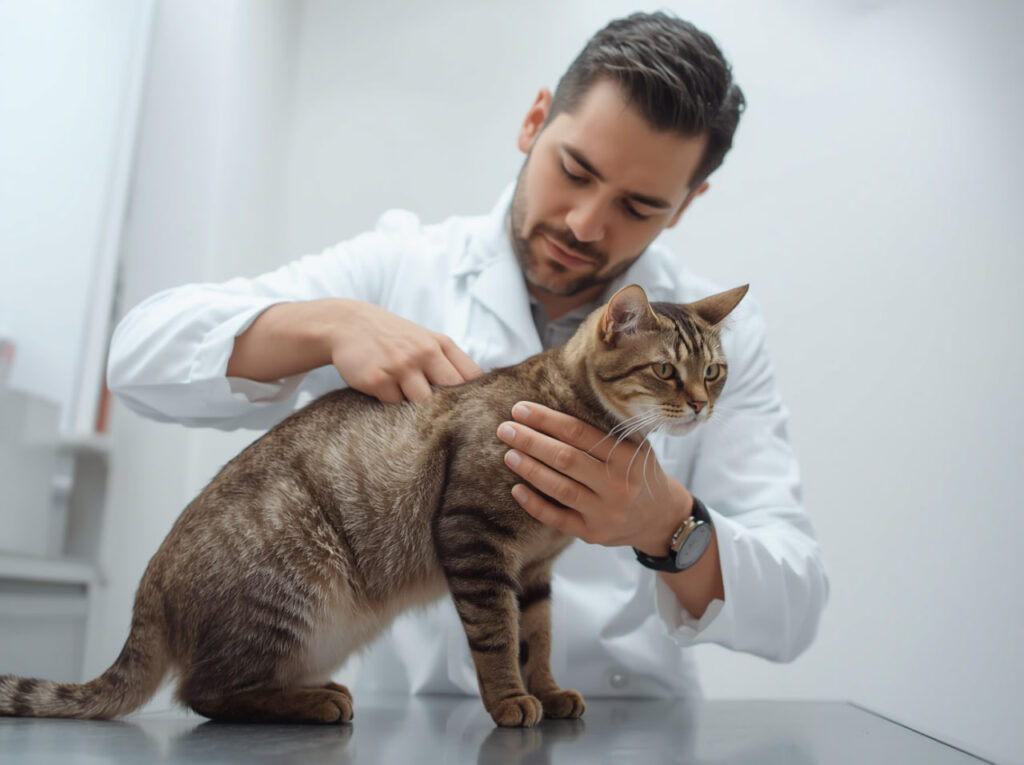
A thorough diagnostic workup for feline hair loss typically includes: a detailed history (onset, distribution, any other symptoms, diet, flea prevention status, recent stressors), physical examination including skin and coat assessment, skin scraping to check for mites, Wood’s lamp examination and/or fungal culture for ringworm, cytology of any skin lesions, and bloodwork if a systemic cause (hormonal disorder, systemic illness) is suspected. In some cases, a hypoallergenic elimination diet trial is recommended if food allergy is suspected.
Frequently Asked Questions
Is it normal for cats to lose more fur in summer?
Increased shedding in spring and early summer, as the winter coat is replaced, is completely normal. However, bald patches, skin changes, or intense over-grooming are not normal seasonal variations and warrant evaluation.
Can stress really make a cat lose fur?
Yes. Psychogenic alopecia, triggered by chronic stress or anxiety, is a well-documented cause of feline hair loss. The cat’s compulsive licking removes fur in reachable areas without leaving visible skin abnormalities. Management focuses on identifying and reducing the stress trigger rather than treating the skin directly.
What food helps improve my cat’s coat?
High-quality complete cat food with a named animal protein as the first ingredient, supplemented with omega-3 fatty acids (fish oil), supports optimal coat condition. Ask your veterinarian before adding supplements, as over-supplementation can create imbalances.
Can I treat cat hair loss at home?
Without knowing the cause, home treatment is not appropriate and may delay correct treatment. A veterinary diagnosis is essential before any intervention, as the correct treatment differs completely depending on whether the cause is allergic, parasitic, fungal, hormonal, or psychological.
Conclusion
Cat hair loss is a signal worth taking seriously — not because it always indicates something severe, but because the underlying cause determines the treatment, and many causes worsen without appropriate intervention. Whether your cat is over-grooming from stress, reacting to a flea allergy, developing a fungal infection, or showing the coat changes of an early hormonal disorder, accurate veterinary diagnosis points to the specific, effective solution. When in doubt, a vet visit is always the right next step.