

When you bring a cat into your life, you are making a longer commitment than most people realize. A well-cared-for domestic cat can easily live into their mid-to-late teens, and it is not unusual for particularly healthy cats to reach their twenties. Understanding the factors that most influence feline longevity — and making informed choices based on that knowledge from the very beginning of your cat’s life — can make a difference of years. This guide covers average cat lifespans by lifestyle, the life stages of a cat, the factors that most meaningfully impact longevity, and the practical steps you can take to help your cat live as long and as healthily as possible.
Average Cat Lifespan: What the Numbers Say
- Indoor cats: 12 to 18 years is the commonly cited range, with 15 years being a reasonable median for a well-cared-for indoor cat.
- Indoor-outdoor cats: 10 to 14 years on average — higher than outdoor-only cats due to shelter access, but lower than strictly indoor cats due to exposure to outdoor risks.
- Outdoor-only cats: 5 to 7 years. This dramatic reduction reflects the compounding risks of outdoor life including traffic, predators, infectious disease transmission from other cats, exposure to toxins, weather, and fighting.
- Record holders: Creme Puff of Austin, Texas holds the verified record for the oldest domestic cat, having lived to 38 years and 3 days. Guinness World Records documents numerous cats who have lived into their late twenties and early thirties, though these are significant outliers.
Cat Life Stages: Understanding Your Cat’s Age
Cats age differently from humans, and understanding the life stage your cat is in helps you anticipate their healthcare needs and behavioral changes:
- Kitten (0–6 months): rapid growth phase. Nutritional needs are highest. Vaccination schedule is critical during this period. Socialization window closes around 12–14 weeks.
- Junior (7 months–2 years): reaching social and physical maturity. Sexual maturity occurs from 5 months onward — spaying and neutering should be completed before the first heat cycle.
- Prime (3–6 years): peak of adult health and vitality. This is often the period of lowest veterinary cost and highest behavioral stability.
- Mature (7–10 years): beginning of middle age in cats. Annual blood panels become valuable for early detection of conditions including hyperthyroidism and kidney disease.
- Senior (11–14 years): significant health changes become more common. Twice-annual veterinary exams are recommended. Weight monitoring, dental health, and kidney function deserve close attention.
- Geriatric (15+ years): many cats reach this stage with proper care. Management becomes more intensive. Focus shifts to comfort, quality of life, and management of age-related conditions.
The Factors That Most Affect How Long a Cat Lives
1. Indoor vs Outdoor Lifestyle — The Single Most Impactful Factor
The difference in average lifespan between indoor-only and outdoor-only cats — approximately 10 years — is larger than any other single factor. Outdoor cats face an array of life-shortening risks simultaneously: road traffic (the most common cause of injury and death in outdoor cats), fatal infectious diseases including feline leukemia virus (FeLV) and feline immunodeficiency virus (FIV) transmitted through cat bites, upper respiratory infections from unvaccinated strays, exposure to rodenticides and other toxins, predation by dogs and wildlife, and injuries from fighting with other cats. Indoor life eliminates or dramatically reduces all of these risks simultaneously.
2. Spaying and Neutering
Spaying female cats eliminates the approximately 80% lifetime risk of uterine cancer in unspayed females and significantly reduces the risk of mammary (breast) cancer when performed before the first heat cycle. Neutering male cats eliminates testicular cancer risk and dramatically reduces the incidence of roaming and fighting behavior — one of the primary causes of injury and disease transmission in outdoor intact males. Both procedures are associated with measurably longer average lifespans.
3. Nutrition Quality and Diet
High-quality nutrition that supports long-term organ health — particularly kidney health — is one of the most impactful lifestyle factors in feline longevity. Chronic kidney disease (CKD) is the leading cause of death in cats over 12 years old. Diets that support kidney health include: adequate hydration (wet food has dramatically higher moisture content than dry food, which is important for naturally low-thirst cats), controlled but adequate protein, and limited phosphorus in later life. Maintaining a healthy body weight throughout life also significantly reduces the risk of diabetes, joint disease, and cardiovascular problems.
4. Regular Veterinary Care
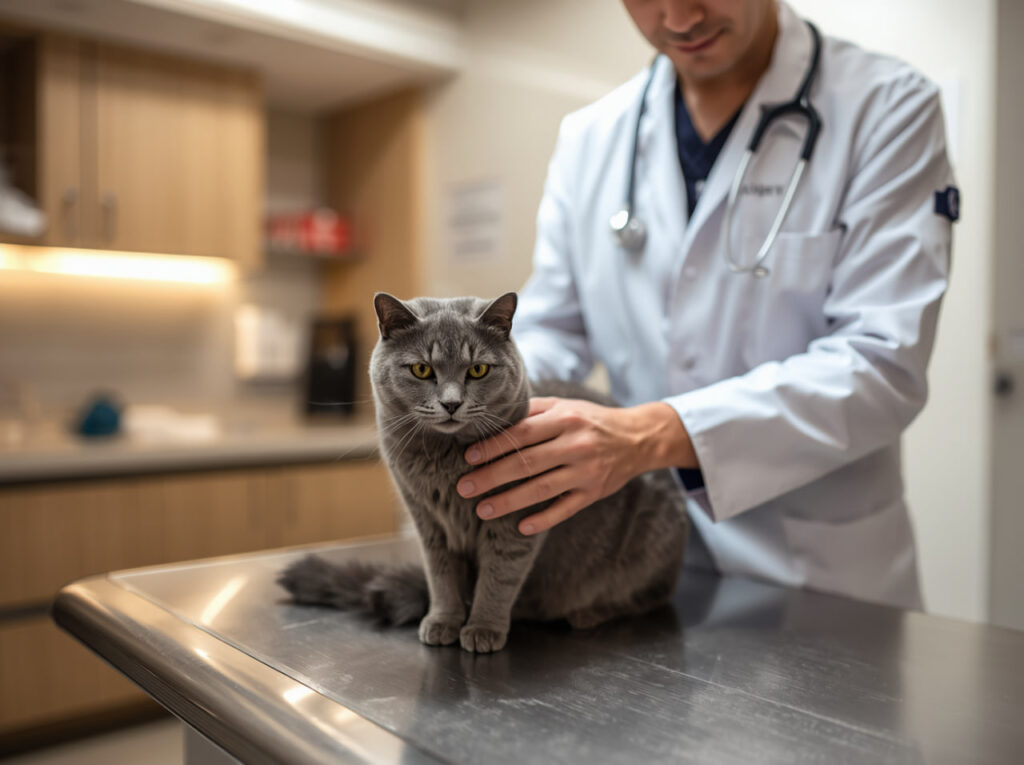
Annual (or biannual for seniors) veterinary examinations are among the highest-return investments in feline longevity. Many of the conditions that most commonly cause premature death in cats — hyperthyroidism, kidney disease, hypertension, diabetes, dental disease — are readily managed when caught early but progress rapidly when undetected. Blood panels from age 7 onward allow detection of these conditions in their earliest, most treatable stages.
5. Dental Health
Dental disease affects an estimated 70 to 80% of cats by age three, and without management it progresses to painful tooth resorption, gum disease, and systemic infection affecting the kidneys and heart. Regular dental care — daily tooth brushing at home (the gold standard), dental chews, water additives, and professional dental cleanings under anesthesia every one to two years — significantly extends both quality and length of life.
Practical Steps to Help Your Cat Live Longer
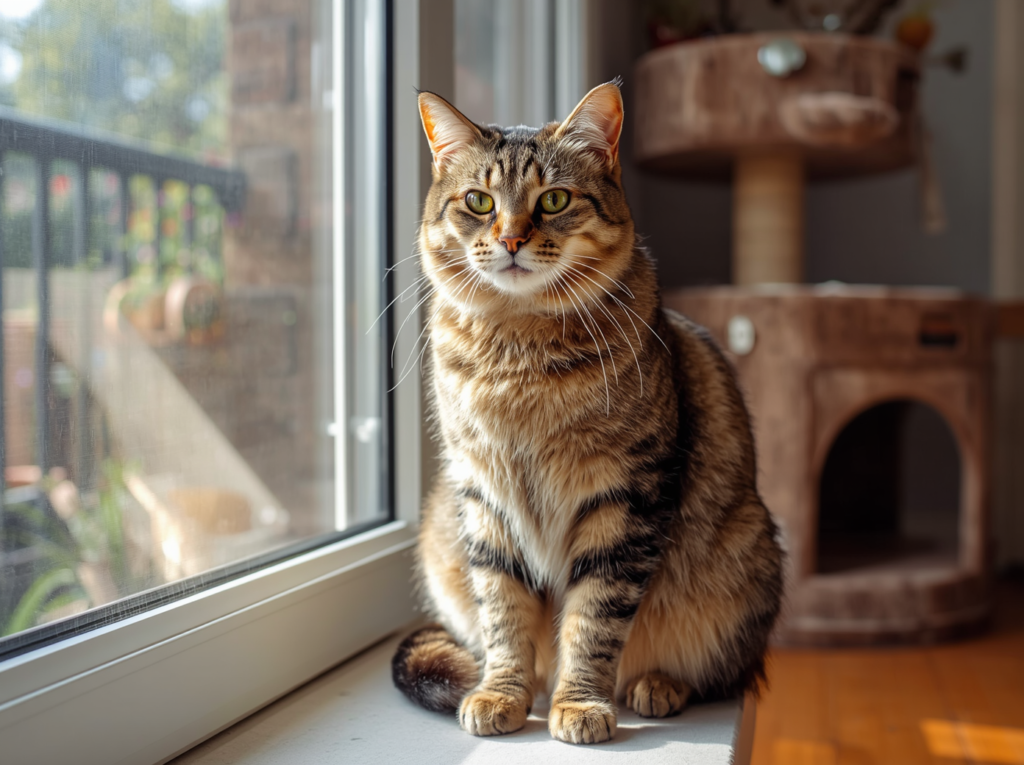
- Keep your cat exclusively indoors, or provide a supervised outdoor enclosure (catio) if outdoor access is important to your cat’s wellbeing.
- Feed a high-quality, named-protein wet food diet as the primary food source, transitioning toward kidney-supportive formulas from age 10 onward.
- Maintain a healthy body weight throughout life — obesity is associated with diabetes, joint disease, and shortened lifespan in cats.
- Schedule annual veterinary exams and begin biannual exams from age 10. Request comprehensive blood panels from age 7.
- Provide daily dental care — tooth brushing is most effective. Supplement with enzymatic dental products if brushing is not tolerated.
- Keep vaccinations and parasite prevention current, even for indoor cats — indoor cats can be exposed to parasites carried in on clothing and shoes.
- Enrich the indoor environment with climbing structures, window perches, interactive toys, and daily play sessions to maintain physical and cognitive fitness.
- Monitor for behavioral and physical changes between vet visits — changes in appetite, water consumption, litter box habits, vocalization, or activity level are early warning signs worth reporting to your vet promptly.
Frequently Asked Questions
At what age is a cat considered a senior?
Cats are generally considered senior from 11 years old and geriatric from 15 years. However, many 11-year-old cats are still highly active, healthy, and energetic — the label ‘senior’ is a reminder to increase health monitoring frequency rather than a description of inevitable decline.
Do indoor cats live longer than outdoor cats?
Yes — significantly. The evidence consistently shows indoor cats live an average of two to three times longer than outdoor-only cats. The compounding risks of outdoor life dramatically reduce average lifespan across the population.
What is the most common cause of death in cats?
Chronic kidney disease (CKD) is the leading cause of death in cats over age 12, affecting an estimated 30 to 40% of cats in this age group. Cancer and heart disease (particularly hypertrophic cardiomyopathy) are the next most common causes of death in older cats.
Can a cat live to 20?
Yes — it is relatively uncommon but not rare. Indoor cats receiving excellent veterinary care and appropriate nutrition regularly live to 18 to 20 years. The oldest well-documented non-record-holder domestic cats have lived to the mid-twenties.
Conclusion
The most powerful determinants of how long your cat lives are largely within your control: keeping them indoors, providing excellent nutrition with adequate moisture, scheduling consistent veterinary care including regular blood panels from middle age, maintaining dental health, and keeping them at a healthy weight throughout their life. A cat who receives this level of care from kittenhood onward has an excellent chance of enjoying fifteen or more years as your companion — and some will comfortably reach twenty. The investment you make in your cat’s preventive care always pays remarkable dividends in years of healthy, joyful companionship.