
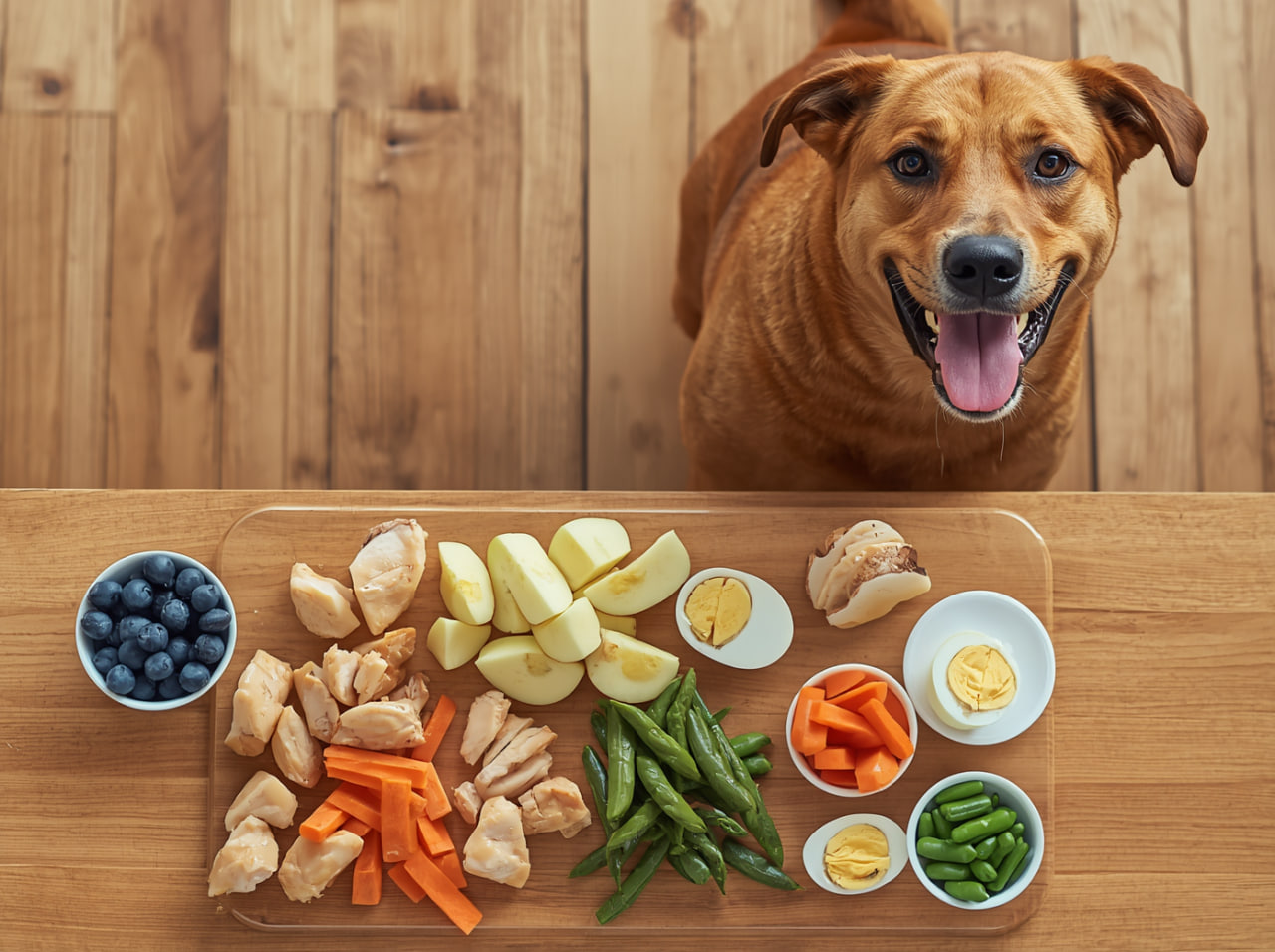
Those pleading eyes staring up at you from beside the dinner table are difficult to ignore — and the good news is that many perfectly healthy human foods are safe for dogs and can even provide genuine nutritional benefits as occasional treats or dietary supplements. The challenge is that some of the most common human foods are also among the most toxic to dogs, and the line between ‘perfectly safe’ and ‘call poison control immediately’ is not always intuitive. This comprehensive, vet-verified guide gives you a clear, complete reference for what dogs can and cannot eat — organized by food category, with preparation notes and portion guidance for everything on the safe list.
Safe Proteins: The Best Human Foods for Dogs
Cooked Chicken
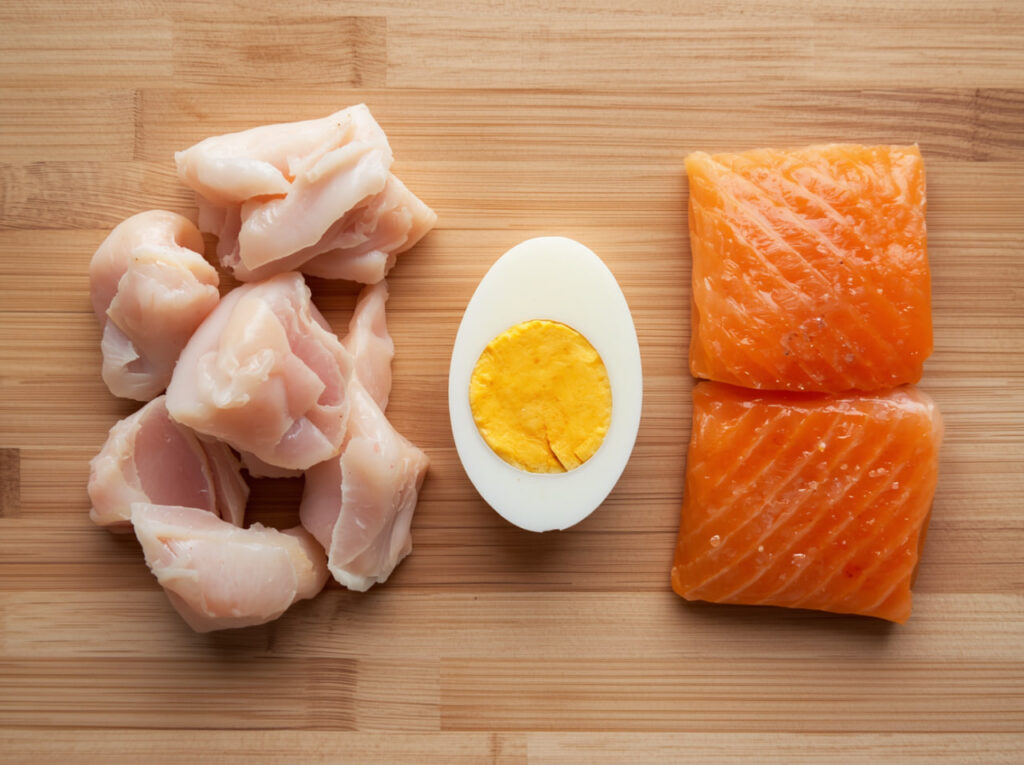
Plain cooked chicken — boneless, skinless, with no seasoning, garlic, onion, or sauces — is one of the safest and most nutritionally valuable human foods you can share with your dog. It is lean, highly digestible, rich in protein and B vitamins, and virtually universally accepted by dogs. Cooked chicken is commonly recommended by veterinarians for dogs recovering from gastrointestinal illness. Boiled or baked without any added fat is the preparation method of choice. Chicken bones (particularly cooked bones) should never be given — they splinter into sharp fragments that can lacerate the digestive tract.
Cooked Salmon and Other Fish
Cooked salmon, whitefish, and other fish are excellent sources of omega-3 fatty acids, high-quality protein, and B vitamins. Benefits include support for skin health, coat shine, and reduction of inflammation. Fish must always be cooked — raw fish can contain parasites including Neorickettsia helminthoeca, which causes salmon poisoning disease in dogs (potentially fatal, particularly in dogs in the Pacific Northwest of North America). Remove all bones before serving. Limit fatty fish like salmon to a few times per week to avoid excess fat intake.
Cooked Eggs
Plain cooked eggs — scrambled, hard-boiled, or poached, with absolutely no butter, oil, salt, or seasoning — are outstanding protein sources for dogs. They contain all nine essential amino acids, vitamins A, B12, D, E, riboflavin, and selenium, and most dogs find them irresistible. Cook eggs fully to eliminate the avidin protein in raw egg whites that can interfere with biotin absorption with regular raw feeding.
Safe Fruits: What Your Dog Can Eat
- Apples (flesh and skin only — remove seeds and core): vitamin C, fiber, potassium. The seeds contain amygdalin which releases cyanide — remove them completely every time.
- Blueberries: one of the best dog-safe treats available. Extremely high in antioxidants, low in calories, small enough to use as training treats. Offer fresh or frozen.
- Watermelon (seedless flesh only — no rind): 92% water content makes it excellent for hydration. Vitamins A, B6, and C. Remove seeds (choking hazard) and never give the rind (causes digestive upset).
- Bananas: high in potassium, vitamin B6, vitamin C, and magnesium. Also high in natural sugar — offer in small amounts as an occasional treat rather than daily.
- Strawberries: vitamin C, antioxidants, and malic acid which may support dental whitening. Lower in sugar than many fruits. Remove the stem and hull.
- Mango (flesh only, pit and skin removed): vitamins A, B6, C, and E. Higher in sugar than most dog-safe fruits — offer as an occasional treat in appropriate portions.
- Pineapple (fresh flesh only — not canned in syrup): bromelain enzyme supports digestion. The tough core and spiny skin should be removed.
- Cantaloupe (seedless, no rind): vitamins A and C, beta-carotene, and significant hydration value. Higher in sugar than watermelon — moderate portions.
Safe Vegetables: Nutrient-Dense Low-Calorie Treats
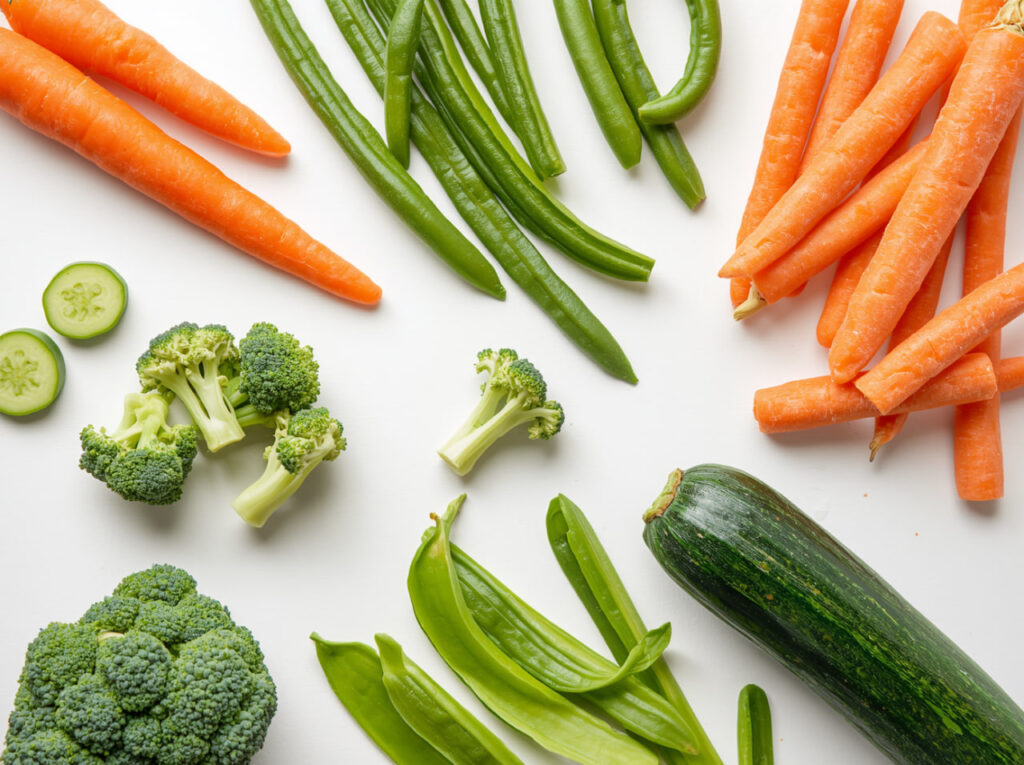
- Carrots: one of the best dog treats available. Extremely low in calories (4 calories each), crunchy texture provides mild dental benefit, rich in beta-carotene and vitamin A. Serve raw, cooked, or frozen.
- Green beans: very low calorie (2–3 calories per bean), filling, and safe in large amounts. Plain frozen green beans are an excellent treat substitute for overweight dogs — they provide volume and chewing satisfaction with minimal caloric cost.
- Sweet potato (cooked, never raw): rich in fiber, vitamins A and C, manganese, and potassium. Always cook before serving — raw sweet potato is difficult for dogs to digest and contains compounds that become safe only after cooking.
- Cucumber: nearly calorie-free and very hydrating. Good option for overweight dogs who need low-calorie treats.
- Broccoli (in small amounts): vitamins K and C, fiber, and potassium. Limited to small amounts — isothiocyanates in broccoli can cause gastrointestinal irritation in large quantities.
- Peas (fresh or frozen, not canned with salt): protein, fiber, vitamins K, A, and B, folate. Avoid canned peas which contain sodium.
- Zucchini: very low calorie, good for weight-conscious dogs. Serve raw or cooked without seasoning.
Safe Grains and Dairy (In Moderation)
- Plain cooked white rice: the gold standard food for dogs with gastrointestinal upset. Easy to digest, plain, and soothing for irritated digestive tracts.
- Plain cooked oatmeal (no sugar, no flavoring): soluble fiber that supports digestive health. Good source of B vitamins. Never use flavored or instant oatmeal varieties with added sugar or artificial sweeteners.
- Plain unsalted popcorn (no butter, no oil, no salt): an occasional low-calorie snack. Make sure all kernels are fully popped — unpopped kernels are a choking hazard.
- Plain Greek yogurt (no artificial sweeteners — check for xylitol): probiotics that support gut health. Some dogs are lactose intolerant — start with a small amount and watch for digestive upset.
- Hard cheeses in very small amounts: high in fat and calories but useful as high-value training treats. Dogs with pancreatitis or obesity should avoid cheese entirely.
Foods That Are TOXIC to Dogs — Never Feed These
The following foods can cause serious illness or death in dogs. This is not a complete list — when in doubt about any food, contact your veterinarian before offering it:
- Grapes and raisins: even tiny amounts can cause acute kidney failure in dogs. The mechanism is not fully understood, which means there is no established safe amount. Any grape or raisin consumption is a veterinary emergency — contact poison control immediately.
- Chocolate: contains theobromine and caffeine, both toxic to dogs. Dark chocolate and baking chocolate are most dangerous. Effects include vomiting, diarrhea, rapid heart rate, muscle tremors, and seizures.
- Onions, garlic, leeks, shallots, and chives: all allium family vegetables damage red blood cells, causing hemolytic anemia. Toxic in all forms — raw, cooked, dried, and powdered.
- Xylitol: found in sugar-free gum, candies, certain peanut butter brands, some baked goods, and many other products. Causes rapid hypoglycemia and liver failure in dogs. Even very small amounts can be lethal. Always check ingredient labels.
- Macadamia nuts: cause weakness, hyperthermia, vomiting, and tremors. Mechanism unknown but consistently documented.
- Avocado: contains persin in the flesh, skin, pit, and leaves. Causes vomiting and diarrhea, and in larger amounts, cardiovascular damage.
- Alcohol: even small amounts cause dangerous intoxication, low blood sugar, and coma in dogs.
- Caffeine: found in coffee, tea, energy drinks, and some medications. Toxic to the nervous system and cardiovascular system.
- Raw yeast dough: expands in the warm, moist stomach environment, causing bloating and potential gastric torsion, and produces alcohol as it ferments.
Frequently Asked Questions
My dog ate one grape. Is this an emergency?
Yes — contact your veterinarian or ASPCA Animal Poison Control (888-426-4435) immediately, even for a single grape. Grape and raisin toxicity in dogs is unpredictable, the mechanism is unknown, and there is no established safe dose. Some dogs develop kidney failure after a small amount; others appear unaffected after more. Do not wait for symptoms to develop.
Can I season food I give my dog?
No. Always serve human foods plain, with no added salt, sugar, garlic, onion powder, butter, oil, sauces, or any other seasoning. Many common seasonings and cooking additives are harmful to dogs, even in small amounts.
Is peanut butter safe for dogs?
Plain peanut butter without xylitol is safe in small amounts and most dogs love it. Always read the full ingredient label every time — many brands now use xylitol as a sweetener, and xylitol is lethal to dogs even in very small amounts. Safe brands include standard JIF, Skippy, and Smucker’s (verify current formulations as these can change).
How much human food can I give my dog total?
All treats combined — including human food — should represent no more than 10% of your dog’s total daily caloric intake. The remaining 90% should come from their nutritionally complete dog food.
Conclusion
Sharing food with your dog can be a genuine bonding experience and a way to add nutritional variety and enjoyment to their diet — provided you know what is safe. The safe food lists in this guide give you a wide range of options. The toxic food list is the one to memorize, particularly the top priority items: grapes and raisins, xylitol, chocolate, and allium vegetables. When in doubt about any food not covered here, a 30-second search or a call to your vet’s office is always the right answer before offering something new.