
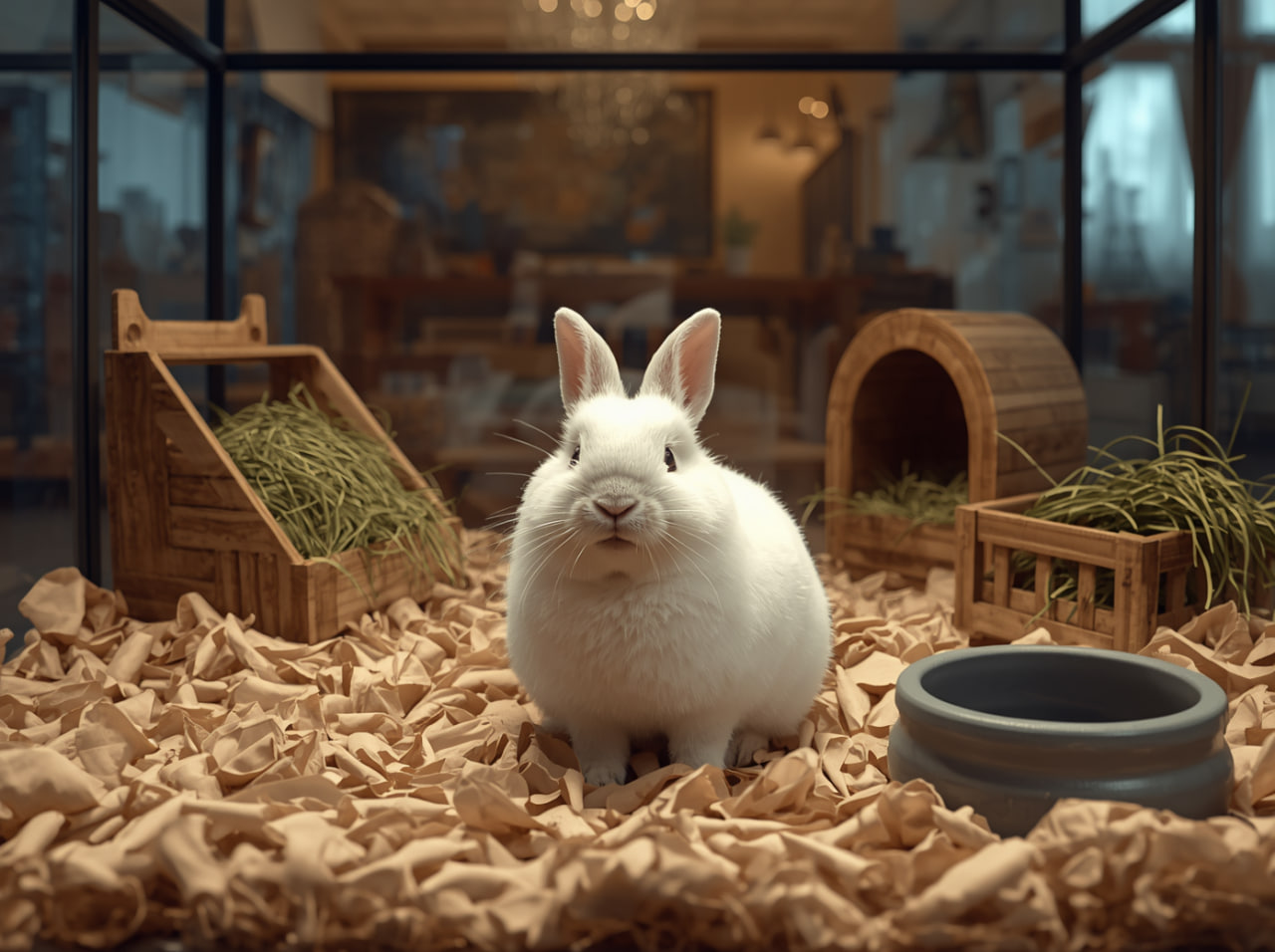
Rabbits are the third most popular pet in many countries, and it is easy to understand why — they are intelligent, social, expressive, and fascinating to live with. However, rabbits are also one of the most widely misunderstood pet species. Many first-time owners are drawn in by the idea of a small, low-maintenance companion animal that lives happily in a compact hutch. The reality is very different: rabbits have complex physical and psychological needs, they require a substantial time investment, and they can live for eight to twelve years. Going into rabbit ownership informed and prepared is the difference between a thriving pet and a struggling one. This comprehensive guide covers everything a first-time rabbit owner needs to know.
Choosing the Right Rabbit: Breed and Personality Considerations
There are over 50 recognized rabbit breeds, ranging from tiny Netherland Dwarfs under two pounds to Flemish Giants exceeding 14 pounds. Before choosing a breed, consider your lifestyle and living situation:
- Size: smaller breeds (Holland Lop, Mini Rex, Netherland Dwarf) are popular for apartment living but can be more skittish and nippy than larger breeds.
- Temperament: larger, calmer breeds like Rex, New Zealand, or Californian rabbits are often recommended for first-time owners because of their more relaxed, approachable personalities.
- Coat length: short-haired breeds need weekly brushing; long-haired breeds like Angoras require daily grooming that is genuinely time-intensive.
- Age: adult rabbits from rescue organizations are often already litter-trained and have established personalities, making them excellent choices for first-time owners.
- Bonded pairs: rabbits are highly social and generally do better in bonded pairs. Adopting two already-bonded rabbits from a rescue is often ideal.
Setting Up the Ideal Rabbit Enclosure
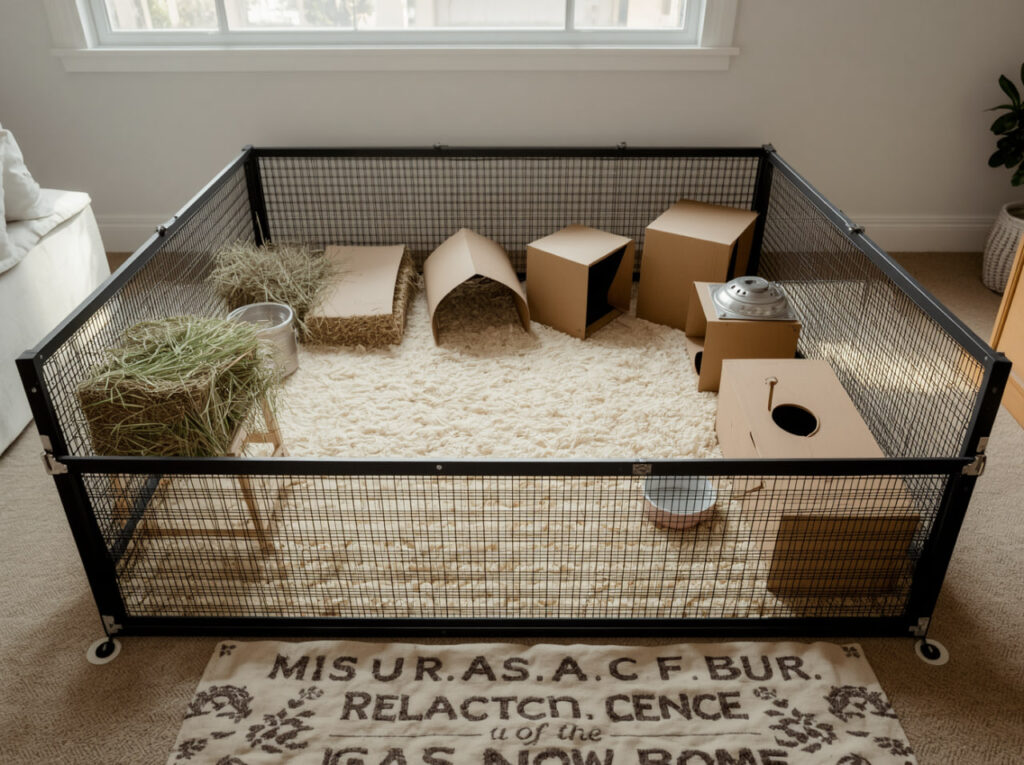
Enclosure size is the most critical and most commonly underestimated aspect of rabbit welfare. The small hutches sold in most pet stores are inadequate as a primary living space for rabbits and often contribute to chronic stress, muscle atrophy, and behavioral problems. Here are the correct standards:
- Minimum floor space: at least 12 square feet (roughly 4 feet by 3 feet) for a single medium rabbit — and this is a minimum, not an ideal.
- Exercise space: in addition to their enclosure, rabbits need a minimum of 32 square feet of exercise space accessible for at least three to four hours daily.
- Best enclosure types: a large exercise pen (X-pen) that combines living and exercise space into a single large area; a rabbit-proofed room or room section; or a custom-built enclosure. Standard cages and small hutches should be avoided as primary housing.
- Flooring: solid flooring with soft, absorbent bedding material — never wire-bottom flooring, which causes pressure sores (sore hocks) on rabbit feet.
- Hiding spots: every rabbit needs at least one enclosed hiding space where they can retreat and feel safe. A cardboard box with a hole cut in it is perfect and free.
- Temperature: rabbits are extremely sensitive to heat above 80°F (27°C) and can die from heatstroke relatively quickly. Keep rabbits in temperature-controlled indoor spaces and never in hot cars or garages.
- Enrichment: tunnels, platforms, willow balls, cardboard boxes to chew and rearrange, digging boxes filled with paper strips or soil.
What to Feed Your Rabbit: The Complete Diet Guide
Rabbit nutrition is one of the areas most commonly misunderstood by new owners. The following is the correct dietary framework based on current veterinary guidance:
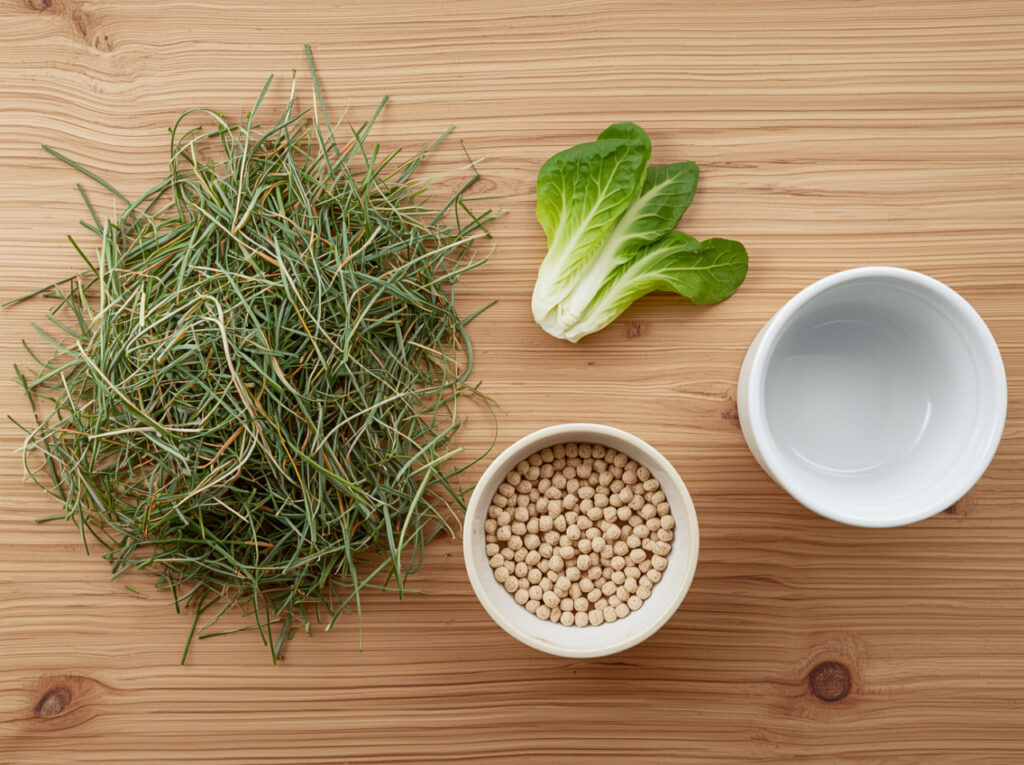
Unlimited Timothy Hay — 80% of the Diet
This is the single most important component of a rabbit’s diet and cannot be overstated. Fresh, high-quality timothy hay (or orchard grass, meadow grass, or oat hay for variety) must be available to your rabbit at all times, in unlimited quantities. Hay serves two essential and irreplaceable functions: it provides the insoluble fiber that keeps the gastrointestinal tract moving (GI stasis — a halt in gut motility — is the leading cause of death in domestic rabbits), and it mechanically wears down rabbit teeth that grow continuously throughout their lives. Rabbits that do not consume enough hay develop both digestive disease and dental disease — two of the most common and most expensive health problems seen in pet rabbits.
Fresh Leafy Greens — 15% of the Diet
Offer a variety of fresh, washed leafy greens daily — approximately one packed cup per two pounds of body weight. Safe options include: romaine lettuce, green and red leaf lettuce, arugula, cilantro, flat-leaf parsley, basil, dill, carrot tops, and bok choy. Introduce new greens one at a time and watch for soft stools, which indicate digestive sensitivity to a particular green. Avoid: iceberg lettuce (very low nutrition, high water can cause loose stools), spinach and kale (high oxalate content — occasional only), and all fruits and starchy vegetables as primary food sources.
Pellets — 5% of the Diet
Contrary to what many new owners believe, pellets should be a small supplement — not the primary food. Use plain, unflavored, timothy hay-based pellets (not alfalfa-based for adult rabbits). Appropriate daily amounts: approximately one quarter cup per five to six pounds of body weight for adult rabbits. Avoid pellet mixes that contain seeds, nuts, dried fruit, or colored pieces — these are junk food equivalents for rabbits and cause obesity and digestive problems.
Fresh Water — Always Available
Rabbits should always have access to fresh, clean water. Both heavy ceramic bowls and water bottles are acceptable — many rabbits prefer bowls. Change the water daily and clean the bowl or bottle regularly to prevent bacterial growth.
Litter Training Your Rabbit
Rabbits can be litter trained with relative ease, particularly if they are spayed or neutered (which dramatically reduces the hormonal drive to mark territory). Here is the process:
- Observe which corner of the enclosure your rabbit consistently chooses to urinate in — rabbits are naturally inclined to use one area.
- Place a litter box in that corner. Use paper-based litter (avoid clay cat litters, which can cause respiratory problems in rabbits). Place a generous handful of hay on top of or in the litter box — rabbits commonly eat while eliminating, and this encourages correct litter box use.
- When your rabbit eliminates outside the box, place the droppings into the litter box without punishment.
- Reward with a small piece of safe vegetable when you observe correct litter box use.
- Most rabbits achieve reliable litter box habits within one to three weeks.
Grooming and Health Care
- Brushing: short-haired breeds need brushing once or twice per week. Long-haired breeds (Angoras, Jersey Woolies) require daily brushing to prevent wool block — ingested fur that cannot pass through the digestive tract and causes dangerous blockages.
- Nail trimming: rabbit nails grow continuously and need trimming every four to six weeks. Use small animal nail clippers and trim only the clear portion, avoiding the pink quick. Ask a vet or groomer to demonstrate the first time.
- Never bathe a rabbit: rabbits are meticulous self-groomers and do not need water baths, which can cause severe stress, hypothermia, and shock. Spot-clean soiled areas with a damp cloth if necessary.
- Spaying and neutering: strongly recommended for all pet rabbits. Unspayed females have an approximately 80% lifetime risk of developing uterine cancer by age four. Neutering males reduces territorial behaviors and makes bonding with another rabbit much easier.
- Find a rabbit-savvy veterinarian before bringing your rabbit home: not all veterinarians have exotic animal training. Contact local rabbit rescues or the House Rabbit Society for referrals to rabbit-experienced vets in your area.
Frequently Asked Questions
Do rabbits like to be held?
Most rabbits strongly prefer to remain on the ground and do not enjoy being picked up. Rabbits are prey animals whose instinct when lifted is to kick and struggle to escape — which can cause serious spinal injuries if they fall. Bond with your rabbit at ground level by sitting near them, letting them come to you, and offering treats from your hand.
Can a rabbit live alone?
Rabbits are highly social animals that live in large groups in the wild. A single rabbit requires significantly more daily human interaction to prevent loneliness and associated depression. Two bonded rabbits are almost always happier than one alone. Adopt a bonded pair from a rescue organization for the best outcome.
How long do pet rabbits live?
Well-cared-for indoor pet rabbits typically live eight to twelve years. Some live longer. The commitment is comparable to adopting a dog in terms of longevity.
What are the signs of a sick rabbit? Rabbits hide illness instinctively. Warning signs to act on immediately include: not eating or drinking for more than four hours, no droppings for more than six hours (possible GI stasis — an emergency), lethargy, grinding teeth loudly, labored breathing, head tilt, or blood in urine. GI stasis is the most common emergency — do not wait to contact a vet.
Conclusion
Rabbits are deeply rewarding companions for owners who invest the time to understand their needs. A spacious enclosure, unlimited timothy hay, fresh leafy greens, daily exercise, appropriate grooming, and access to a rabbit-experienced veterinarian are the foundations of excellent rabbit care. With that foundation in place, you can look forward to eight to twelve years of companionship with a genuinely fascinating and affectionate animal.