
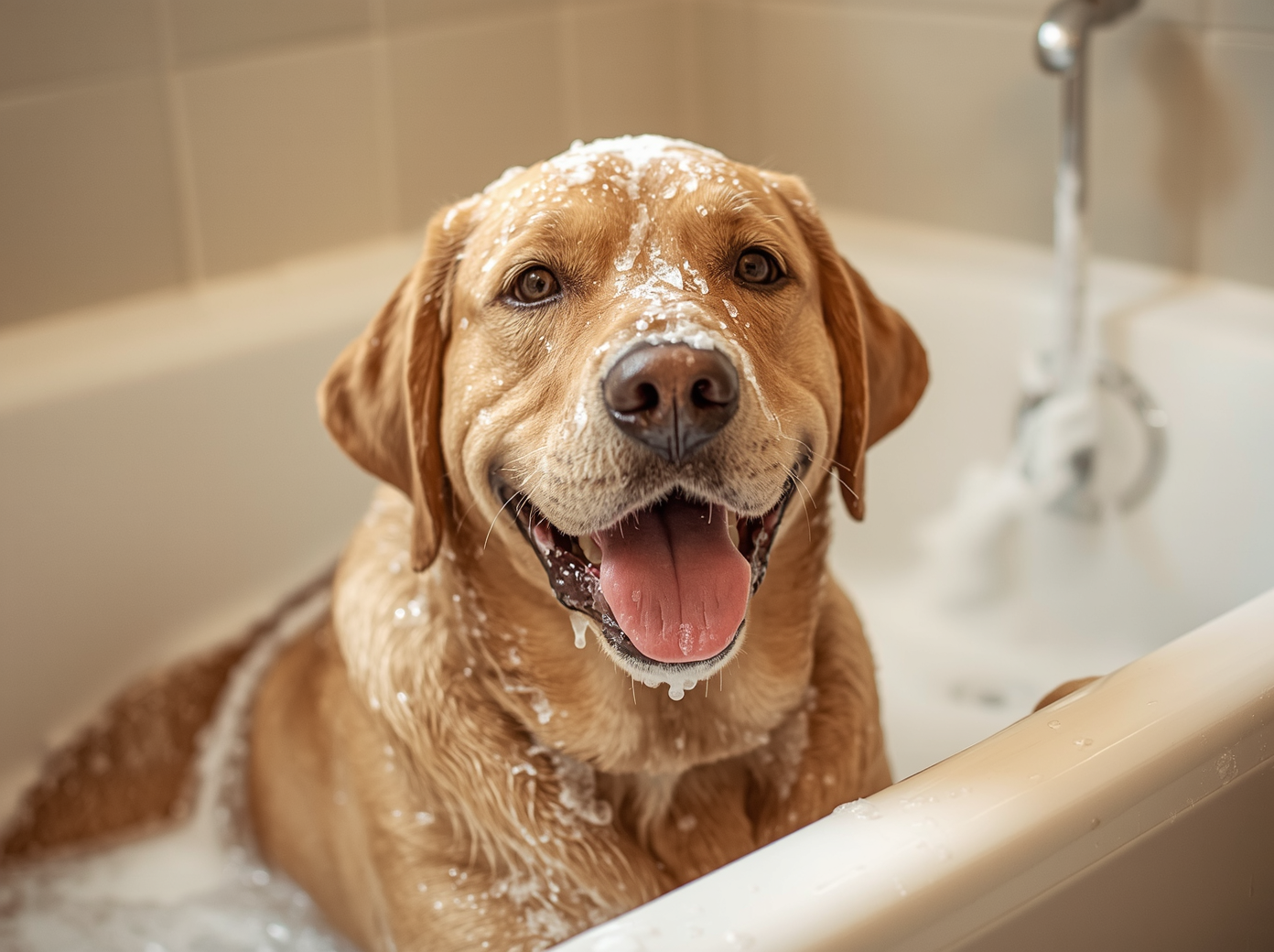
One of the most common grooming questions dog owners ask is: how often does my dog actually need a bath? The answer is not the same for every dog, and getting it wrong in either direction has real consequences. Bathing too infrequently allows dirt, oil, and allergens to accumulate in the coat, leading to odor, skin irritation, and potential infection. Bathing too frequently strips away the natural sebum that protects your dog’s skin, causing dryness, flaking, itching, and a dull, brittle coat. The right frequency sits in the middle — and it is determined primarily by your dog’s coat type, breed, lifestyle, and skin condition. This comprehensive guide walks you through exactly how to find that sweet spot for your specific dog.
Why Bathing Frequency Matters More Than You Think
Your dog’s skin is protected by a layer of natural oils — primarily sebum — produced by sebaceous glands throughout the skin. These oils serve as a moisture barrier, protect against environmental pathogens, and give the coat its natural shine and water-resistance. When you bathe your dog, you wash away surface dirt and odor-causing bacteria, but you also remove a portion of these protective oils. The skin then works to replenish them over the following days. If you bathe your dog too frequently, the skin cannot replenish its oils fast enough, leading to chronic dryness, irritation, and a weakened skin barrier that is more susceptible to bacterial and fungal infections. Understanding this balance is the foundation of getting bathing frequency right.
The General Baseline: Every 4 to 6 Weeks
For the average healthy adult dog with a typical lifestyle and no specific skin conditions, bathing once every four to six weeks is the widely accepted standard recommended by veterinary dermatologists and professional groomers. This frequency adequately removes accumulated dirt and odor while giving the skin enough time between baths to restore its natural oil balance. That said, this is a starting baseline — your dog’s individual characteristics will determine whether they need to bathe more or less often.
Bathing Frequency by Coat Type
Coat type is the single biggest variable in determining ideal bathing frequency. Here is a detailed breakdown by coat category:
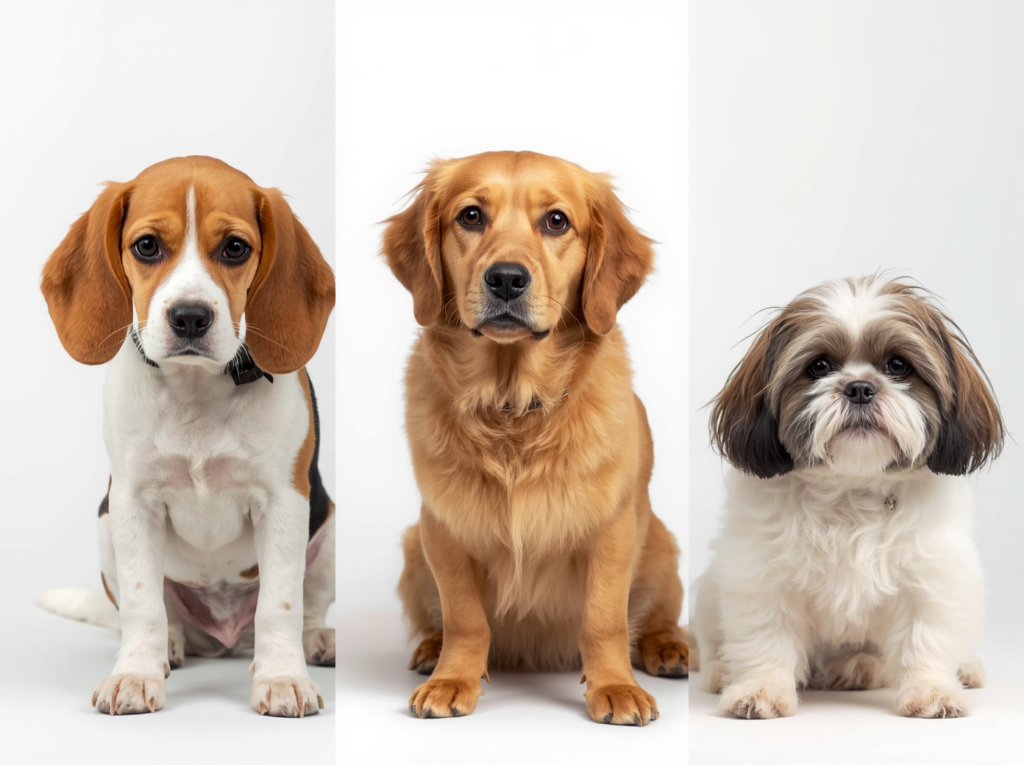
Short, Smooth Coats (Boxers, Beagles, Vizslas, Dalmatians)
Short-coated breeds are the easiest to care for in terms of bathing. Their coats do not trap dirt and debris as readily as longer coats, and they dry very quickly after a bath. Every six to eight weeks is typically sufficient for most short-coated dogs with a normal indoor lifestyle. Their natural oils distribute efficiently across the short coat, maintaining good moisture and a healthy sheen without frequent washing.
Medium Double Coats (Labrador Retrievers, Golden Retrievers, Border Collies)
Medium-coated double-coated breeds benefit from bathing every four to six weeks. Regular baths help manage shedding by loosening dead undercoat hair. A thorough brushing session immediately after bathing — while the coat is slightly damp but not soaking — is particularly effective for removing dead undercoat in these breeds and significantly reduces shedding around the home.
Long Coats (Shih Tzus, Yorkshire Terriers, Afghan Hounds, Maltese)
Long-coated breeds require bathing more frequently — approximately every three to four weeks — because their coats collect dirt, debris, pollen, and environmental allergens far more readily than shorter coats. Without regular bathing and daily brushing, long coats develop painful mats and tangles that can pull on the skin and harbor moisture, leading to skin infections underneath.
Curly or Wavy Coats (Poodles, Doodles, Portuguese Water Dogs, Bichon Frises)
Curly-coated breeds need bathing every three to four weeks. Their coat texture traps dirt and debris very efficiently, and without regular washing the coat can develop a musty odor and become matted. Most poodle-type coats also require professional clipping every six to eight weeks to maintain the proper coat length and shape.
Double Coats with Heavy Undercoats (Huskies, Malamutes, Samoyeds)
These breeds have extremely dense, weather-resistant coats that shed heavily twice a year. Outside of shedding season, bathing every six to eight weeks is usually sufficient. During heavy shedding seasons, a bath followed by thorough brushing is one of the most effective ways to remove the loose undercoat quickly and reduce the amount of fur around your home.
Hairless Breeds (Chinese Crested, Xoloitzcuintli)
Hairless dogs actually need more frequent bathing than most coated breeds — approximately every one to two weeks. Without a coat to absorb and distribute body oils, sebum and environmental dirt accumulate directly on the skin surface, leading to clogged pores and acne-like skin problems. Use a very gentle, fragrance-free shampoo and apply a dog-safe moisturizer after bathing to prevent dryness.
Other Factors That Affect How Often You Should Bathe Your Dog
Beyond coat type, several lifestyle and health considerations can shift the ideal bathing frequency for your individual dog:
- Activity level and environment: Dogs that swim regularly, hike on muddy trails, or spend significant time outdoors will need more frequent baths than sedentary indoor dogs. After swimming in natural water sources (lakes, rivers, the ocean), always bathe your dog to remove bacteria, algae, and salt from the coat.
- Human allergies in the household: If someone in your home is allergic to pet dander, bathing your dog every one to two weeks can significantly reduce the amount of allergens circulating in the environment.
- Skin conditions: Dogs with seborrhea, chronic yeast infections, or bacterial skin disease may require medicated shampoo baths as frequently as once or twice per week, as directed by a veterinarian.
- Seasonal shedding: Bathing during peak shedding seasons (spring and fall for double-coated breeds) is particularly effective for loosening and removing dead undercoat, reducing shedding around the home.
- Age: Puppies and senior dogs tend to have more sensitive skin and may require gentler shampoos and slightly different bathing frequencies than healthy adult dogs.
Signs You Are Bathing Your Dog Too Often
Over-bathing is a common but underrecognized problem, particularly among well-intentioned owners who equate cleanliness with frequency. Signs that your dog’s bathing schedule may be too aggressive include:
- Persistently dry, flaky, or itchy skin — especially if the itching is worse after bathing
- A dull, brittle, frizzy, or rough-textured coat that has lost its natural sheen
- Increased scratching in the hours and days following a bath
- Visible dandruff throughout the coat
- Redness, sensitivity, or a rash-like appearance on the skin
If you notice these signs, extend the interval between baths by one to two weeks and switch to a moisturizing dog-specific shampoo. Adding a conditioning rinse after shampooing can also help restore the natural moisture balance of the coat.
Choosing the Right Shampoo
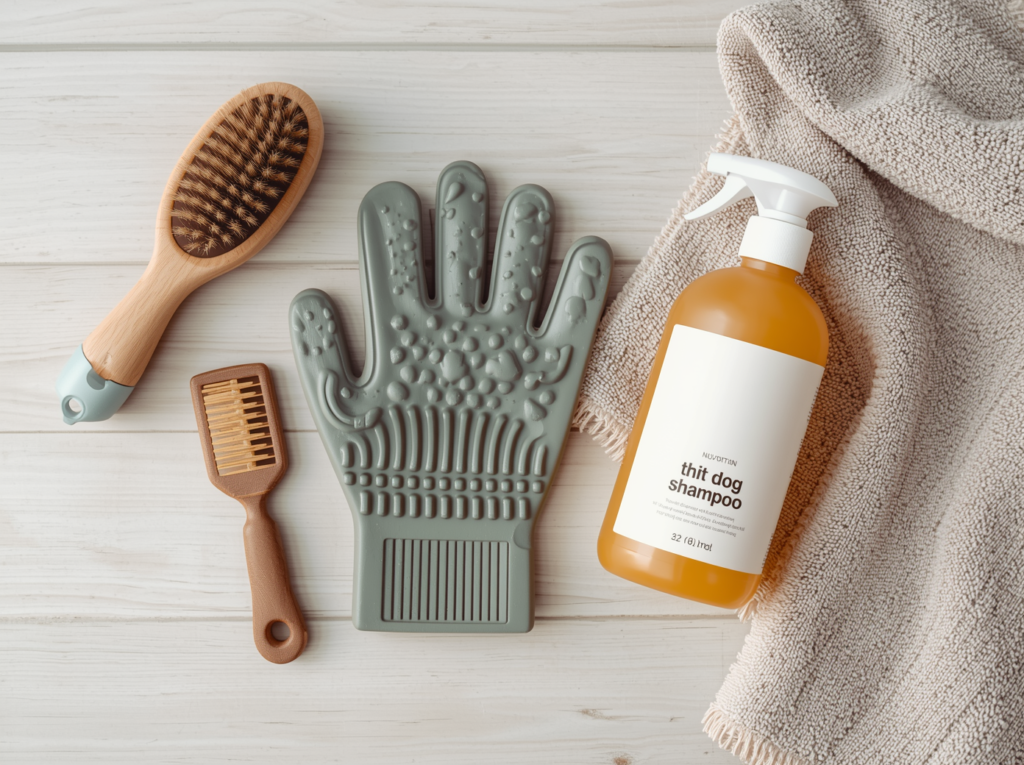
The shampoo you use matters as much as how often you use it. Human shampoo is formulated for human skin, which has a pH of approximately 5.5. Dog skin operates at a higher pH range of 6.2 to 7.4. Using human shampoo on a dog disrupts the skin’s acid mantle, leaving it more vulnerable to bacterial overgrowth, parasites, and environmental irritants. Key categories of dog shampoos to know:
- All-purpose dog shampoo: appropriate for most healthy dogs without specific skin issues.
- Moisturizing or oatmeal shampoo: ideal for dogs with dry, sensitive, or itchy skin.
- Medicated shampoo: requires veterinary recommendation. Used for specific conditions including seborrhea, bacterial pyoderma, Malassezia yeast overgrowth, and ringworm.
- Puppy shampoo: extra gentle, tear-free formulas safe for young dogs and sensitive adults.
- De-shedding shampoo: contains ingredients that help loosen and release dead undercoat during bathing. Most effective when used with a high-velocity dryer.
How to Give Your Dog a Proper Bath: Step by Step
- Brush your dog thoroughly before getting them wet. Wet mats become far more difficult to remove and can tighten painfully against the skin.
- Use lukewarm water throughout — not hot, not cold. Test it on your wrist as you would a baby’s bath water.
- Wet the coat completely, working from the neck back. Keep water and shampoo away from the ears and eyes.
- Apply shampoo and massage it in circular motions, working it through the coat all the way down to the skin.
- Rinse far more thoroughly than you think necessary. Shampoo residue left on the skin is one of the most common causes of post-bath itching and skin irritation.
- Apply conditioner if using one, leave on for the directed time, then rinse again thoroughly.
- Towel dry by pressing the towel against the coat rather than rubbing, which causes tangles.
- Use a pet-safe blow dryer on the lowest heat setting if your dog tolerates it. Keep the dryer moving constantly to prevent heat concentration.
- Reward generously with treats and calm praise throughout the entire process.
Frequently Asked Questions
Can I bathe my dog once a week?
For most dogs, weekly bathing is too frequent and will strip the skin of its natural oils, causing dryness and irritation. Exceptions include dogs with certain medically indicated conditions, hairless breeds, and dogs in households with severe human pet allergies. For most healthy dogs, every four to six weeks is the ideal baseline.
What happens if I never bathe my dog?
Dogs that are never bathed accumulate dirt, sebum, dead skin cells, dander, and environmental allergens in their coat. Over time this leads to persistent odor, increased risk of skin infections, coat matting in longer-haired breeds, and discomfort for the dog. Regular bathing is an important component of preventive health care.
My dog absolutely hates baths. What can I do?
Desensitize gradually over several weeks: begin by offering treats near an empty bathtub, then with water on the paws, then with a wet cloth on the body, then with a gentle rinse, before progressing to a full bath. Attaching a lick mat with xylitol-free peanut butter or wet food to the tub wall is a highly effective distraction during bathing for anxious dogs.
Should I use a human hair dryer on my dog?
Human dryers can be used on a cool or low-heat setting with the dryer kept moving constantly. However, the motors in human dryers generate more heat than pet-specific dryers and can burn your dog’s skin if held too close or on too high a setting. Pet-specific dryers are a safer and more efficient option.
Conclusion
Getting your dog’s bathing frequency right is one of the simplest and most impactful choices you can make for their skin and coat health. Start with the general guideline of every four to six weeks, then adjust based on your dog’s coat type, lifestyle, and any skin conditions. Use only dog-specific shampoos, always rinse thoroughly, and build positive bath-time associations from puppyhood with treats and calm encouragement. A consistent, correctly timed grooming routine keeps your dog comfortable, healthy, and smelling great.