
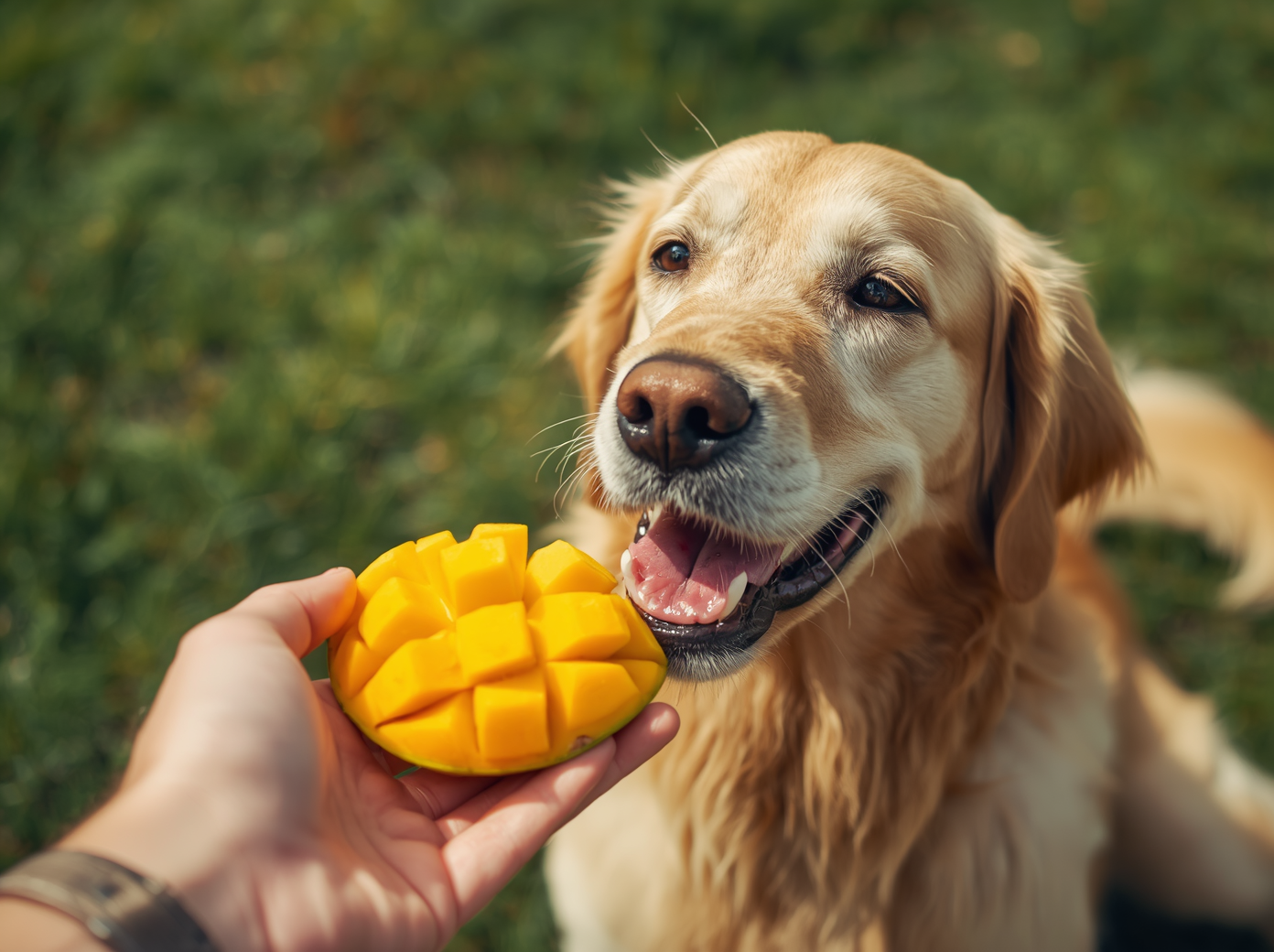
Few fruits look more inviting on a hot summer day than a ripe, golden mango — and if you have ever eaten one near your dog, you already know they want a piece of it. The good news is that mango is completely safe for dogs to eat, provided you prepare it the right way. Rich in vitamins, antioxidants, and natural sweetness, mango can be a genuinely healthy occasional treat for most dogs. But like any human food introduced to a canine diet, there are important rules to understand before you share a slice. In this comprehensive guide, we cover everything you need to know: the full nutritional profile, the parts that are safe and the parts that are dangerous, how much mango is appropriate for different dog sizes, how to prepare it correctly, and what signs to watch for if your dog tries it for the first time.
Nutritional Benefits of Mango for Dogs
Mango is often called a superfruit, and many of the nutritional benefits that make it valuable for humans also apply to dogs. Here is a detailed look at what the flesh of a ripe mango provides:
- Vitamin A: Supports healthy vision, immune function, skin condition, and reproductive health. Particularly beneficial for senior dogs whose immune systems may be less robust.
- Vitamin B6: Essential for protein metabolism, the production of neurotransmitters, and red blood cell function. Dogs require adequate B6 for nervous system health.
- Vitamin C: A powerful antioxidant that combats oxidative stress, reduces inflammation, and supports immune function. Although dogs synthesize their own vitamin C, additional dietary sources can be beneficial — particularly for stressed, sick, or aging dogs.
- Vitamin E: Plays a critical role in cell membrane protection, muscle health, and immune system function. Also supports skin and coat quality.
- Dietary fiber: Soluble fiber in mango supports a healthy gut microbiome, regulates bowel movements, and can help dogs feel fuller between meals.
- Folate (Vitamin B9): Supports DNA synthesis and cell division. Particularly important for pregnant dogs and growing puppies.
- Potassium: An essential electrolyte that supports heart function, muscle contractions, and nerve signal transmission.
- Beta-carotene: An antioxidant compound converted to vitamin A in the body. Also linked to reduced cancer risk in some research.
That said, it is important to keep mango in perspective. Dogs get all the essential nutrition they need from their regular complete-and-balanced dog food. Mango should be viewed as a supplementary treat — a flavorful, nutritious bonus — rather than a dietary staple.
Is Mango Safe for Dogs? Breaking Down Each Part
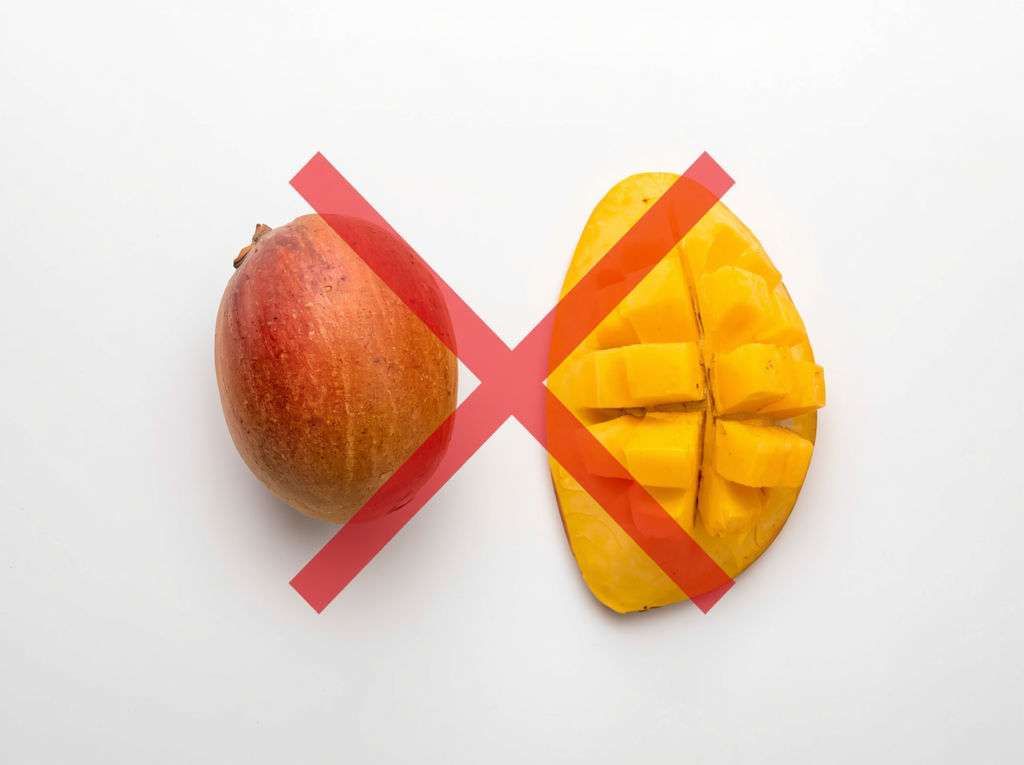
Not all parts of the mango are safe. Here is a precise breakdown of what your dog can and cannot eat, and why:
The Flesh — Completely Safe
The ripe, fleshy interior of the mango is the only part dogs should eat. It is soft, easily digestible for most dogs, and packed with the vitamins and antioxidants described above. Once the skin is peeled and the pit is fully removed, the remaining flesh is a safe and nutritious treat. Cut it into cubes appropriate for your dog’s size before serving.
The Skin — Not Recommended
While mango skin is not acutely toxic to dogs, it is fibrous, tough, and difficult to digest. It can cause gastrointestinal upset including vomiting, diarrhea, and bloating — particularly in dogs with sensitive stomachs. Additionally, some dogs may have a mild allergic reaction to compounds in the skin. There is no nutritional benefit from the skin that cannot be obtained from the flesh, so the safest approach is always to peel the mango completely before serving.
The Pit — Never Give This to Your Dog
The mango pit poses two distinct dangers. First, it is a major choking hazard and can cause a life-threatening intestinal blockage if swallowed. Second, the pit contains trace amounts of cyanide, which is toxic to dogs. While a dog would need to consume a very large quantity to suffer acute cyanide poisoning from a single mango pit, there is absolutely no reason to take that risk. Always remove the pit completely, and dispose of it in a closed bin your dog cannot access.
Dried Mango — Avoid
Dried mango concentrates the natural sugars in the fresh fruit by a factor of four to five times. A small piece of dried mango contains significantly more sugar than a much larger piece of fresh mango. This concentrated sugar load is problematic for dogs in general, and especially dangerous for dogs prone to obesity, diabetes, or pancreatitis. Always choose fresh mango for your dog, never the dried variety.
How Much Mango Can a Dog Safely Eat? Portion Guide by Size
The universal veterinary guideline for treats is the 10% rule: treats should never account for more than 10% of a dog’s total daily caloric intake. Mango is nutritious but also higher in natural sugar than many other dog-safe fruits, which makes portion control especially important. Use the following as a starting guide, but always adjust based on your individual dog’s diet, weight, and health status:
- Extra-small dogs (under 10 lbs — Chihuahua, Yorkie): 1 small cube (approx. 1cm square), offered a few times per week.
- Small dogs (10–20 lbs — Shih Tzu, Beagle): 2 small cubes, a few times per week.
- Medium dogs (20–50 lbs — Border Collie, Cocker Spaniel): 3–4 cubes, a few times per week.
- Large dogs (50–90 lbs — Labrador, Golden Retriever): 4–6 cubes, a few times per week.
- Giant breeds (over 90 lbs — Great Dane, Saint Bernard): up to 8 cubes, a few times per week.
If your dog has diabetes, pancreatitis, a history of obesity, or any chronic metabolic condition, consult your veterinarian before introducing mango or any other fruit. What is a healthy treat for one dog may be contraindicated for another based on their health history.
Step-by-Step: How to Prepare Mango for Your Dog
Preparing mango for your dog is simple, but every step matters to ensure it is safe:
- Wash the mango thoroughly under cold running water to remove any pesticide residue or surface contaminants.
- Peel the entire skin away, leaving only the flesh.
- Slice the flesh away from the flat, central pit on both sides.
- Inspect your slices carefully for any residual pit fragments and remove them.
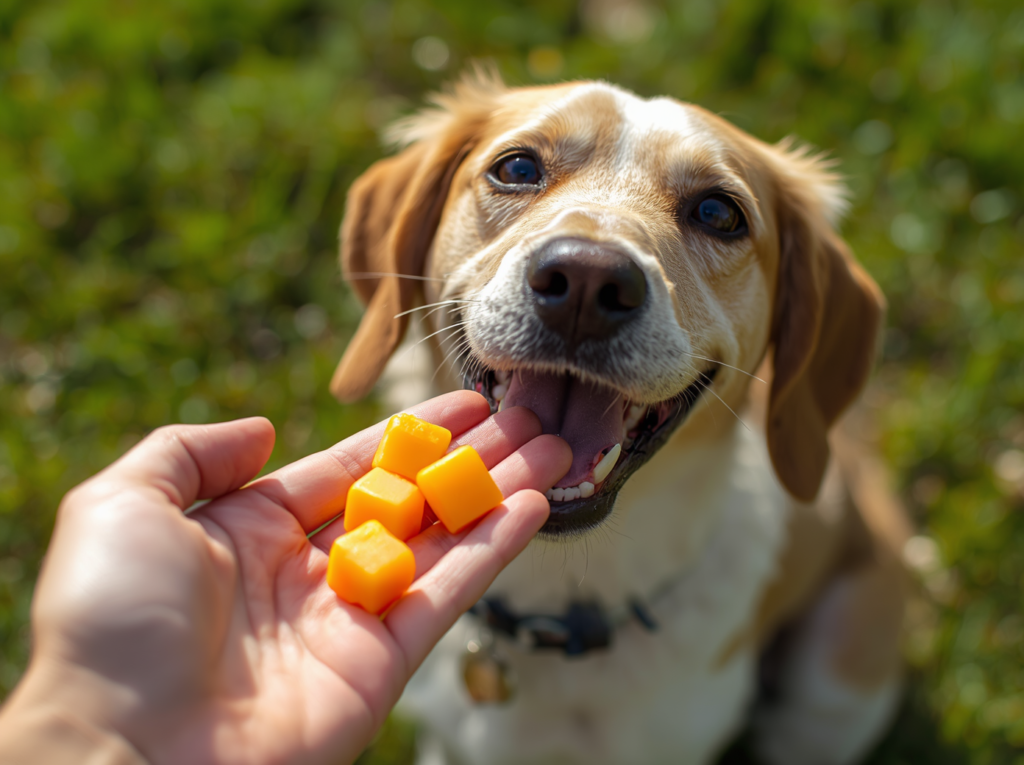
- Cut the flesh into appropriately sized cubes: approximately 1–2 cm for small dogs, 2–3 cm for medium and large dogs.
- Serve immediately at room temperature, refrigerate in an airtight container for up to three days, or freeze for up to one month.
For an extra-special summer treat, freeze mango cubes and offer them on hot days. Most dogs absolutely love frozen mango — it acts as a natural, nutritious version of a dog-safe ice pop. You can also blend fresh mango with a small amount of plain, unsweetened yogurt (no xylitol) and freeze in a Kong or silicone mold for a more elaborate frozen treat.
What to Watch for the First Time Your Dog Tries Mango
Whenever you introduce any new food to your dog’s diet, start with a smaller amount than the recommended portion and observe carefully for the following signs over the next 12 to 24 hours:
- Vomiting or retching within a few hours of eating
- Diarrhea or noticeably softer stools than usual
- Excessive gas, gurgling sounds, or visible bloating
- Persistent itching, skin hives, or facial swelling — signs of a possible allergic reaction
- Lethargy, loss of appetite, or apparent abdominal discomfort
If your dog tolerates the first small serving without any of these reactions, you can gradually increase to the recommended portion size over the following servings. If any reactions do occur, discontinue mango and consult your veterinarian.
Mango Compared to Other Dog-Safe Fruits
Mango is one of the best dog-safe fruits nutritionally, but it is worth comparing it to common alternatives so you can make informed choices about your dog’s treat rotation:
- Blueberries: Lower in sugar than mango, extremely high in antioxidants. Excellent as everyday training treats. Most dogs love them.
- Watermelon (seedless flesh only): Very high water content makes it exceptional for hydration on hot days. Lower in sugar than mango.
- Apples (no seeds or core): Higher in fiber, lower in sugar than mango. The crunch also provides mild dental benefit.
- Bananas: Similar natural sugar level to mango, but higher in potassium and magnesium. Best offered in small amounts.
- Strawberries: Rich in vitamin C and antioxidants, lower in calories than mango. Good everyday treat option.
- Mango: Highest in vitamins A and B6 among common dog-safe fruits. Best as a special occasional treat rather than a daily offering, due to sugar content.
Frequently Asked Questions
Can dogs eat frozen mango?
Yes — frozen mango cubes made from the flesh only (no skin or pit) are completely safe and most dogs love them as a refreshing summer snack. Freeze the cubes on a tray before storing them in a bag to prevent them sticking together.
Can dogs eat mango sorbet or mango-flavored products?
No. Commercial mango sorbets, ice creams, and flavored products typically contain added sugars, artificial sweeteners (which may include xylitol — deadly to dogs), and other additives that are harmful. Always serve plain fresh or frozen mango flesh only.
My dog accidentally ate mango skin. What should I do?
A small amount of mango skin is unlikely to cause serious harm. Monitor your dog for gastrointestinal symptoms over the next 12 to 24 hours. If vomiting or diarrhea persists beyond 24 hours, or if your dog seems lethargic or uncomfortable, contact your veterinarian.
Can dogs eat mango every day?
It is better to offer mango as an occasional treat a few times per week rather than daily, primarily because of its natural sugar content. Variety in your dog’s treat rotation is also nutritionally beneficial.
Is mango safe for puppies? Yes, in very small amounts. A pea-sized piece of fresh mango flesh is appropriate for puppies over eight weeks old. Introduce it slowly and monitor for any digestive reaction before offering more.
Conclusion
Mango is a safe, genuinely nutritious, and delicious treat for most dogs when properly prepared. The three rules are simple: always serve the flesh only, never the pit or skin; keep portions appropriate for your dog’s size; and introduce it gradually the first time. With those guidelines in place, sharing a few cubes of mango with your dog is an easy way to add nutritional variety to their treat routine. For more guides on safe and unsafe foods for dogs and cats, browse the rest of our blog.