
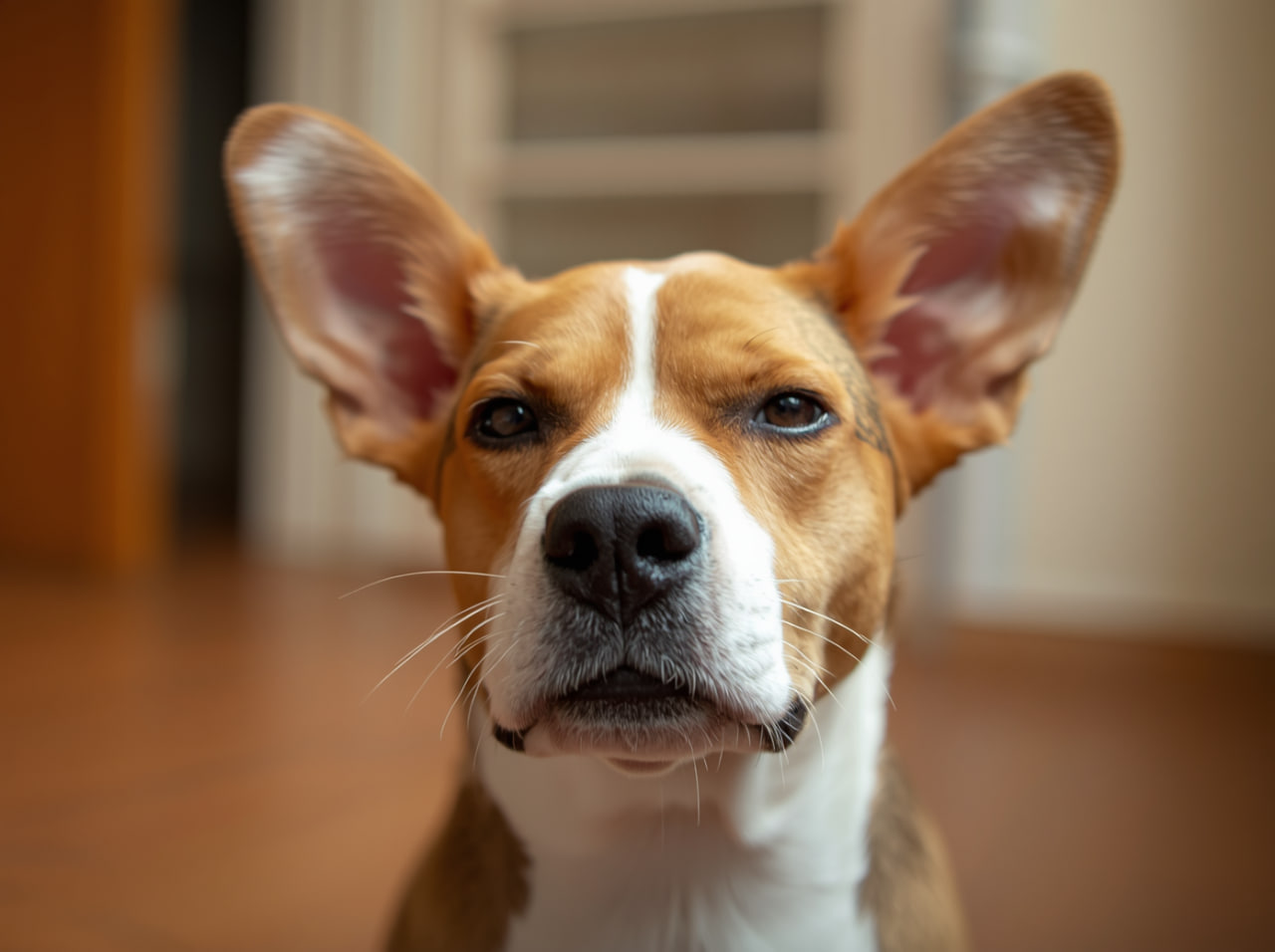
Ear infections are among the most common conditions treated in veterinary clinics, affecting an estimated one in five dogs at some point in their lives. For some breeds and individuals, ear infections become a recurring problem that significantly affects quality of life. If you have ever watched your dog shake their head repeatedly, scratch at an ear with unusual intensity, or noticed a foul smell coming from the ear canal, you have likely seen the signs of an ear infection. Understanding what causes them, how to recognize them accurately, and when and how they are treated will help you get your dog the right care quickly and prevent recurrences with appropriate ongoing management.
Anatomy of the Dog Ear: Why Infections Are So Common
The structure of the dog’s ear canal is fundamentally different from the human ear canal — and this difference is the primary reason ear infections are so much more common in dogs than in humans. The human ear canal runs approximately horizontally from the ear opening to the eardrum. The dog’s ear canal runs vertically downward from the ear opening and then makes a 45-degree horizontal turn toward the eardrum, creating an L-shaped pathway. This anatomy traps heat, moisture, debris, and cerumen (ear wax) in the lower horizontal segment of the canal, creating a warm, dark, moist environment that is ideal for the proliferation of bacteria and yeast. Breeds with long, floppy ears — Cocker Spaniels, Basset Hounds, Golden Retrievers — are particularly prone to ear infections because the ear flap covers the canal opening and further reduces airflow and moisture evaporation.
Recognizing the Symptoms of a Dog Ear Infection
Ear infections in dogs typically present with a combination of the following signs. The presence of any three or more of these together is a reliable indicator of an active infection requiring veterinary attention:
- Head shaking: frequent, repeated head shaking, often intense enough to cause the ears to slap against the head
- Ear scratching: scratching at the affected ear with the hind foot, or rubbing the ear against furniture or the floor
- Odor: a characteristic musty, yeasty, or foul smell from the ear — the smell of infected tissue and microbial overgrowth
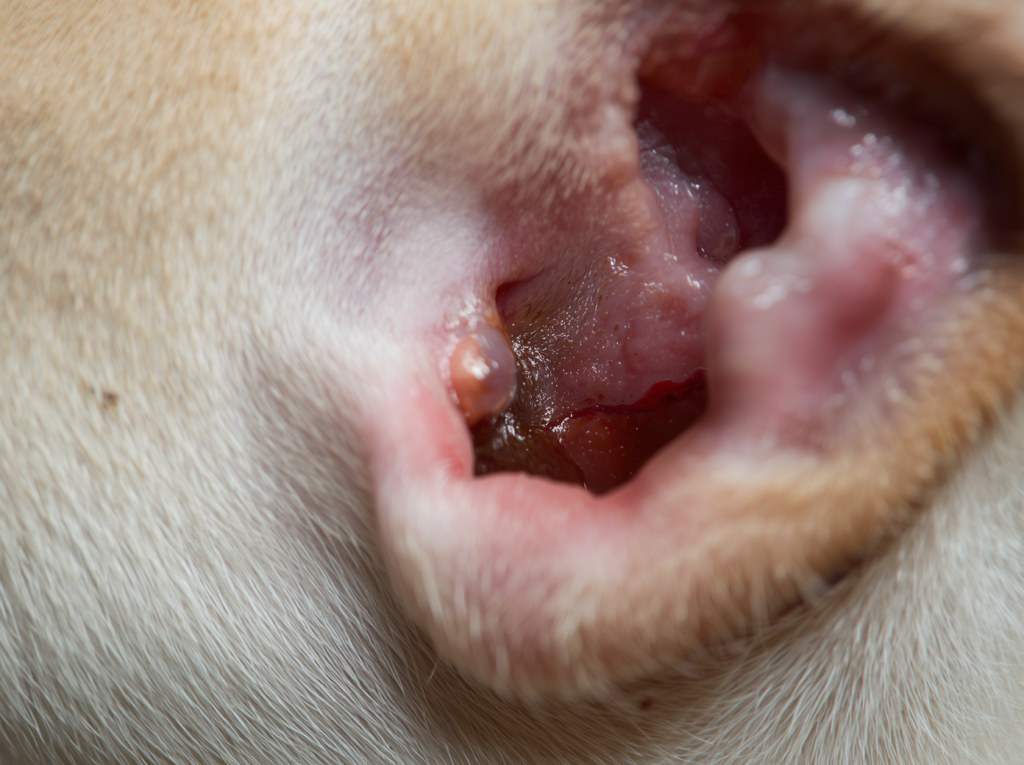
- Discharge: visible discharge at the ear opening or on the inner surface of the ear flap. Color and consistency vary: yellowish or greenish discharge suggests bacterial infection; dark brown, crumbly, coffee-ground-like discharge suggests ear mites; dark reddish-brown waxy discharge suggests yeast.
- Redness and swelling: the inner surface of the ear flap and visible outer canal appear red, inflamed, or swollen
- Pain response: the dog pulls away, cries, or shows other pain responses when the ear is touched or when the head is touched near the ear
- Head tilt: tilting the head to one side, particularly if accompanied by other symptoms, may indicate the infection has progressed to the middle ear (otitis media)
- Balance problems: stumbling, circling, or eye movement abnormalities alongside ear symptoms may indicate inner ear involvement — a more serious progression requiring urgent veterinary attention
Common Causes of Dog Ear Infections
Bacterial Infections
The most common bacterial pathogens in canine ear infections are Staphylococcus pseudintermedius and Pseudomonas aeruginosa. Bacterial infections typically produce a yellowish, greenish, or purulent discharge with a foul, fetid odor. Pseudomonas infections are particularly significant because many strains are resistant to standard antibiotics, requiring culture and sensitivity testing to identify the effective treatment.
Yeast Infections (Malassezia)
Malassezia pachydermatis yeast is a normal inhabitant of the dog’s ear canal in small numbers. Under conditions of increased moisture, warmth, or skin barrier dysfunction — all of which occur in dogs with allergies — the yeast population can overgrow dramatically, producing infection. Yeast infections have a characteristic musty, corn-chip-like odor and a dark reddish-brown waxy discharge. They respond to antifungal medications.
Ear Mites (Otodectes cynotis)
Ear mites are tiny arachnid parasites that infest the ear canal, producing intense itching and a characteristic dark, crumbly, coffee-ground-like discharge. They are highly contagious between animals and are more common in cats and dogs that spend time outdoors or with other animals. Ear mites are diagnosed under microscopic examination of a swab sample and treated with anti-parasitic medication.
Underlying Allergies
This is the most clinically important point in understanding recurrent ear infections: allergies — both environmental and food — are the most common underlying cause of recurrent otitis externa in dogs. The allergic response changes the skin environment of the ear canal, disrupting the normal microbiome and creating conditions that favor bacterial and yeast overgrowth. Treating each infection without addressing the underlying allergy is a cycle that will not end. If your dog has had more than two ear infections in a year, allergy evaluation is warranted.
Diagnosis: Why You Cannot Treat an Ear Infection at Home
This point cannot be overstated: home ear cleaning does not treat an active ear infection. It is maintenance care for healthy ears, not therapy for infected ones. Attempting to treat an infected ear with home cleaning solution alone delays appropriate treatment, allows the infection to progress, and risks pushing infected material deeper into the canal. A veterinary diagnosis is essential because:
- The type of infection (bacterial, yeast, or mites) determines the appropriate treatment — and treatments differ completely
- Bacterial infections require cytology and possibly culture/sensitivity testing to identify the specific pathogen and effective antibiotic
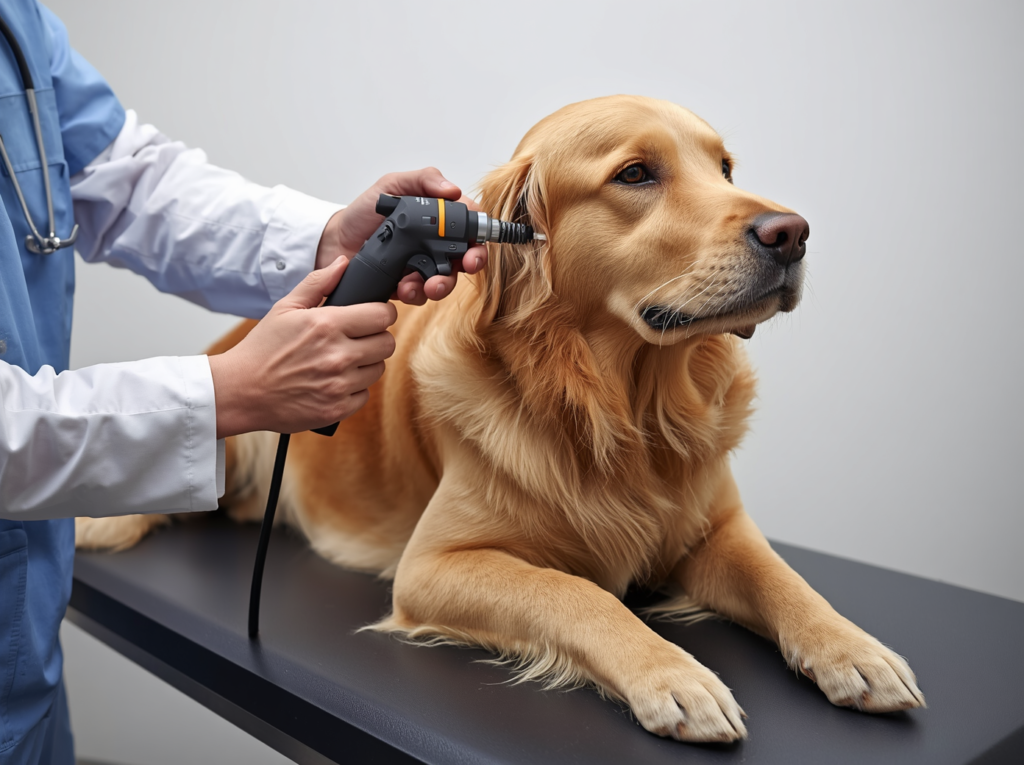
- The condition of the eardrum must be assessed before any ear medication is applied — certain ear medications are ototoxic if used when the eardrum is ruptured
- Chronic or resistant infections may require deep ear flush under sedation
- Underlying causes (allergies, anatomical abnormalities, foreign bodies) need to be identified to prevent recurrence
Treatment of Dog Ear Infections
Treatment is tailored to the specific cause identified by cytology and examination:
- Bacterial infections: topical antibiotic drops or ointment (combined antibiotic-antifungal-steroid preparations are common), applied once or twice daily for 7 to 14 days. Severe or resistant cases may require systemic antibiotics.
- Yeast infections: topical antifungal drops. Clotrimazole and miconazole are the most commonly used active ingredients.
- Ear mites: anti-parasitic treatment — topical ear drops or systemic isoxazoline treatments (NexGard, Bravecto) which are highly effective. All pets in the household should be treated simultaneously.
- Deep cleaning under sedation: for severely impacted ears or chronic cases where the canal is too painful or too full of discharge for effective topical medication, veterinary deep cleaning under sedation is performed before commencing topical treatment.
- Pain management: NSAIDs or short-course steroids may be prescribed to reduce the pain and inflammation that make ear handling intolerable for affected dogs.
Preventing Ear Infections: Practical Long-Term Strategy
- Regular maintenance ear cleaning: once monthly for most dogs, every two to three weeks for floppy-eared breeds. Dry the ear canal after swimming or bathing using a drying ear solution.
- Manage underlying allergies: work with your veterinarian to identify and manage environmental or food allergies driving recurrent infections. This single step eliminates recurring ear infections in many dogs.
- Keep ears dry: moisture is the primary environmental trigger. Use a drying ear solution after every bath and every swim.
- Regular veterinary check of the ears: at annual or biannual exams, ask your vet to assess the ear canals. Early signs of infection are much easier and cheaper to treat than established infections.
- Appropriate hair management: in breeds with hair growing inside the ear canal (Poodles, Labradoodles), discuss with your vet or groomer whether gentle plucking is appropriate — this is breed and individual specific.
Frequently Asked Questions
How quickly does a dog ear infection need to be treated?
Ear infections should be evaluated and treated within 24 to 48 hours of symptom onset. Left untreated, infections spread from the outer ear (otitis externa) to the middle ear (otitis media) and inner ear (otitis interna) — progressions that are more painful, more difficult to treat, and can cause permanent hearing loss.
Can a dog ear infection go away on its own?
No. Ear infections caused by bacteria or yeast require medication to resolve. Without treatment, they worsen over time and can spread to the middle and inner ear. Early treatment is faster, cheaper, and less painful for the dog.
Why does my dog keep getting ear infections?
Recurrent ear infections almost always indicate an underlying cause that has not been addressed — most commonly allergies (food or environmental), anatomical factors (very narrow canals, excessive hair), or moisture accumulation from swimming. A conversation with your vet focused on identifying and managing the root cause is the most important next step for a dog with recurrent otitis.
Is it okay to use olive oil or home remedies in a dog’s ear?
No. Home oils and remedies are not formulated for the ear canal environment, can worsen bacterial and yeast growth, and mask clinical signs that your vet needs to assess. Use only veterinarian-approved ear cleaning solution for maintenance, and seek veterinary treatment for any active infection.
Conclusion
Dog ear infections are painful, common, and entirely treatable — but they require accurate veterinary diagnosis and appropriate medication, not home treatment. Recognizing the signs early, seeking prompt veterinary care, completing the full prescribed treatment course, and addressing underlying causes like allergies are the pillars of effective ear infection management. With consistent preventive care and proactive allergy management where relevant, most dogs can enjoy healthy, comfortable ears throughout their lives.