
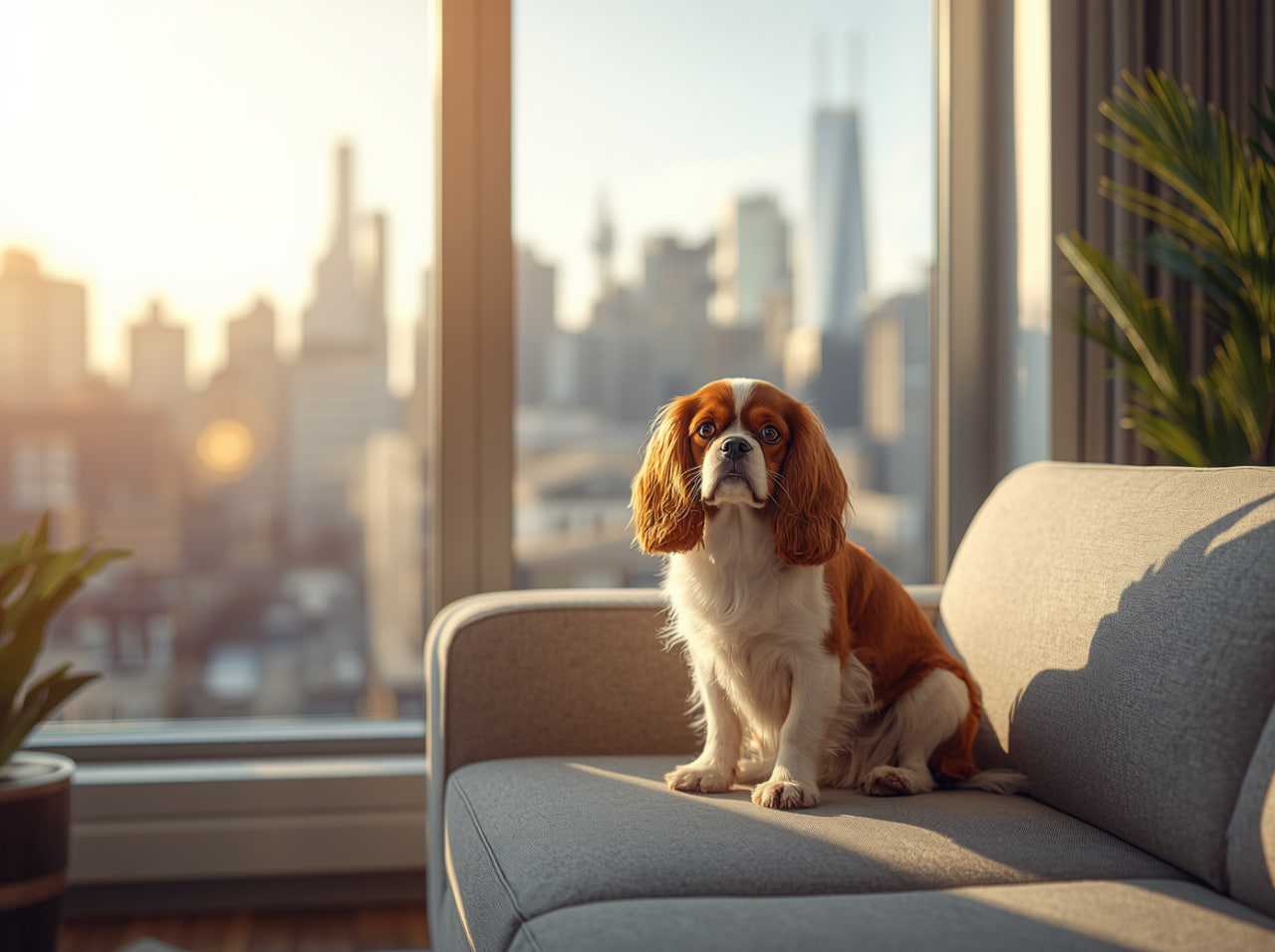
Living in an apartment does not mean you cannot have a dog — millions of people successfully share small urban spaces with canine companions, and for the right breed, apartment life can be perfectly comfortable and fulfilling. The key is choosing a dog whose energy level, noise tendency, size, and temperament actually match the realities of apartment living: no yard access, close neighbors, shared building spaces, and typically less daily exercise than suburban or rural dogs enjoy. The best apartment dog is not necessarily the smallest dog — it is the dog with the temperament, energy level, and exercise needs that align with what you can realistically provide every single day.
What Actually Makes a Dog Good for Apartment Living?
Before looking at specific breeds, it helps to understand the characteristics that determine apartment suitability — because these traits matter more than physical size:
- Low to moderate baseline energy level: content with two solid daily walks rather than requiring hours of running or herding activity to remain mentally balanced.
- Low tendency for excessive or prolonged barking: close neighbors and shared walls make a vocal dog a significant source of conflict in apartment buildings.
- Adaptability and low environmental anxiety: comfortable with the sounds, smells, and activity levels of multi-unit buildings — elevators, shared hallways, neighbors passing by.
- Ability to be content indoors for reasonable periods: a dog that can relax calmly while you work from home or are out for several hours.
- Moderate exercise requirements that can be met through walks and indoor play: not requiring a yard or off-leash running space to remain physically and mentally satisfied.
Top 8 Best Small Dogs for Apartments
1. Cavalier King Charles Spaniel
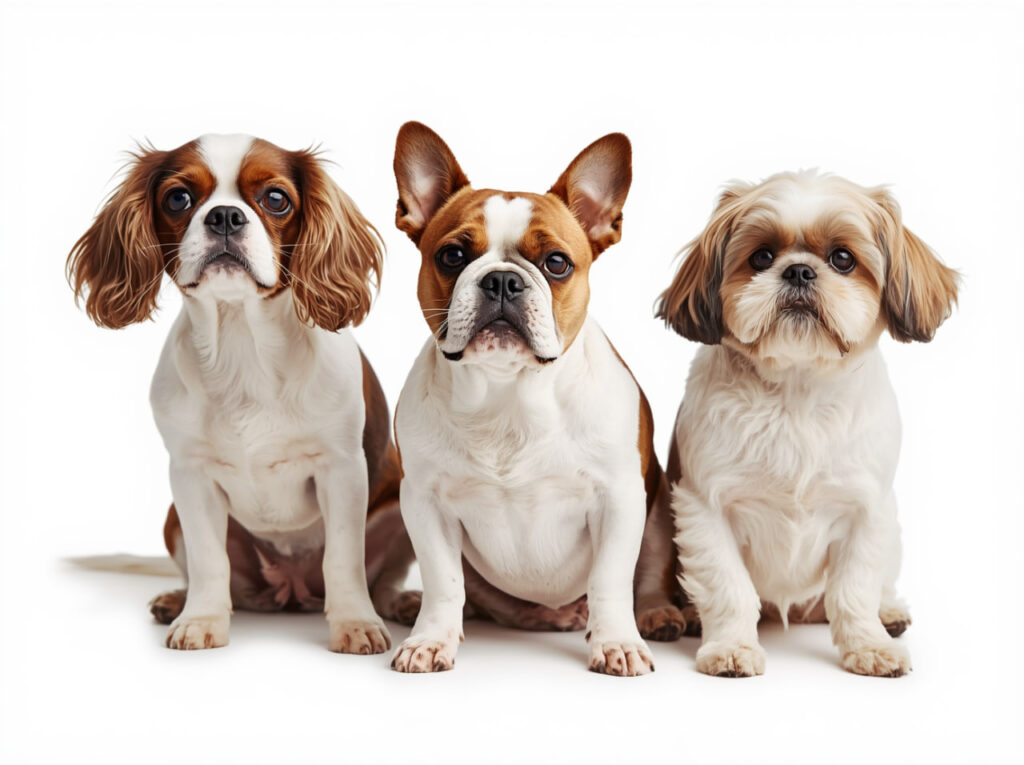
The Cavalier is perhaps the ideal apartment dog. Bred specifically as a companion, they are gentle, quiet, deeply affectionate, and remarkably adaptable to any living situation. They are content to spend the day close to their owner, follow a calm routine, and enjoy moderate daily walks. They rarely bark without reason and tend to be gentle with both adults and children. Their medium-length coat requires regular brushing but no professional trimming. The one significant caveat: Cavaliers are highly social and do not do well being left alone for long periods — they are best suited to owners who work from home or have flexible schedules.
2. French Bulldog
French Bulldogs have become one of the most popular city dogs worldwide for good reason — they are calm, playful, adaptable, and relatively quiet. They do not have significant exercise requirements and are generally happy with a couple of short to moderate walks per day. They are social and personable, forming strong bonds with their owner. Important considerations: French Bulldogs are a brachycephalic (flat-faced) breed and cannot tolerate heat well. Apartments need to be temperature-controlled, and exercise must be moderated in warm weather. They are also among the most expensive dogs both to purchase and to care for veterinarily, given their predisposition to respiratory, spinal, and skin issues.
3. Shih Tzu
The Shih Tzu was bred to live in palaces as a companion dog — making them naturally suited to indoor living. They have low exercise requirements, are typically quiet, and are happy spending most of their day resting near their owner. They are sociable without being demanding and adapt well to apartment routines. Their long coat requires daily brushing or a short ‘puppy clip’ from a groomer every six to eight weeks.
4. Bichon Frise
Bichons are cheerful, playful, and generally moderate in their exercise needs — a couple of 20-minute walks daily keeps most Bichons healthy and satisfied. They are typically low-shedding (making them a better choice for allergy-affected households) and do not tend toward excessive barking. They are social and warm with strangers, making them well-suited to the social environment of apartment buildings. Their curly white coat requires professional grooming every four to six weeks.
5. Maltese
The Maltese is tiny, quiet, and extremely adaptable to small spaces. They bond intensely with one person or family and are content to follow their owner through apartment living without requiring large amounts of outdoor space. They need only moderate daily exercise and are generally not prone to problematic barking. Their silky white coat requires daily brushing to prevent tangles, or a short ‘puppy cut’ maintained with regular grooming appointments.
6. Pug
Pugs are affectionate, funny, and perfectly content to spend a significant portion of their day lounging on the sofa. Their exercise requirements are modest — short daily walks are sufficient for most Pugs. They are social, adaptable, and generally quiet. Like French Bulldogs, Pugs are brachycephalic and must not be over-exercised or exposed to heat. Their flat face also requires daily cleaning of skin folds to prevent infection.
7. Boston Terrier
The Boston Terrier is compact, friendly, and highly adaptable to apartment living. They are intelligent and trainable, making them responsive to consistent boundaries — an important quality in a shared building. They have moderate exercise needs that are easily met with daily walks and indoor play sessions. They are generally low-shedding and relatively easy to groom.
8. Basenji
The Basenji is unique in that they do not bark in the traditional sense — they produce a yodel-like vocalization called a barroo instead. This makes them exceptionally suitable for noise-sensitive apartment buildings. They are intelligent, curious, and cat-like in their cleanliness and independent nature. They do require adequate daily exercise and mental stimulation to remain content, and they are known escape artists who require a securely enclosed outdoor space for off-leash time.
Breeds That Often Struggle in Apartments
While individual temperament varies, the following breeds are generally poor choices for apartment living due to high energy, noise tendency, or exercise needs that are difficult to meet without a yard:
- Chihuahuas: paradoxically, one of the most problematic apartment breeds despite their tiny size. Prone to persistent, high-pitched barking triggered by sounds and strangers.
- Jack Russell Terriers: extremely high energy, highly vocal, and prone to destructive behavior when under-stimulated. Require far more exercise than their size suggests.
- Beagles: bred to howl on a scent trail. This vocalization is deeply instinctive and very difficult to suppress, making them challenging neighbors in shared buildings.
- Dalmatians: high energy dogs requiring extensive daily running. Rarely content in small spaces.
- Australian Shepherds: bred for full-day herding work. Deeply unhappy without extensive daily exercise and mental stimulation.
Frequently Asked Questions
Can a dog be happy living in a small apartment?
Yes — absolutely. Research and practical experience both support that a dog’s happiness is determined primarily by the quality of their daily exercise, mental stimulation, and social interaction with their owner, not by the size of their living space. A well-exercised, mentally stimulated dog is content in a small apartment. A bored, under-exercised dog will be unhappy in a mansion.
What is the quietest small dog breed?
The Basenji is technically barkless. Among barking breeds, Shih Tzus, Cavalier King Charles Spaniels, Bichon Frises, and Maltese are consistently described as among the quietest small breeds.
How do I exercise a dog in an apartment building?
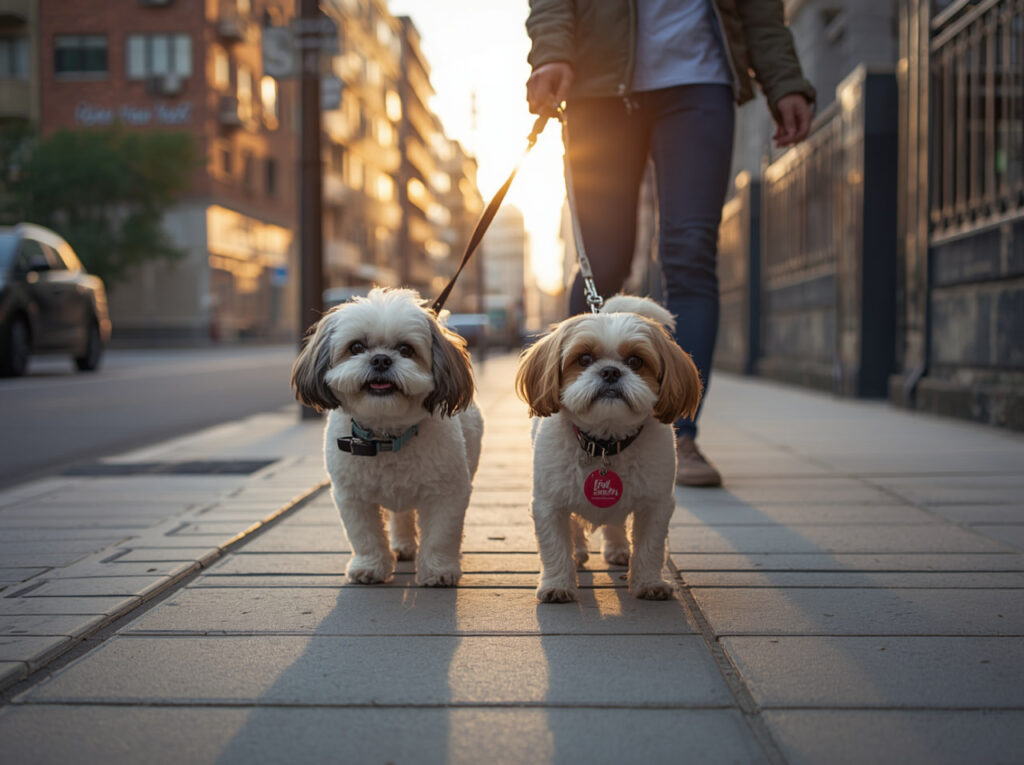
Two consistent daily walks are the foundation. Supplement with indoor training sessions, puzzle feeders, fetch in a hallway or long space, and regular trips to dog-friendly parks or off-leash areas. Mental stimulation through training is as tiring as physical exercise for most small breeds.
Do I need to check my lease before getting a dog?
Yes — always. Many rental agreements have pet clauses specifying allowed breeds, sizes, and maximum number of pets, as well as pet deposits or monthly pet fees. Check your lease and discuss with your landlord before bringing a dog home to avoid violating your tenancy agreement.
Conclusion
The best apartment dog is the one whose temperament, energy level, and exercise needs honestly match your lifestyle — not simply the cutest or most fashionable breed. The eight breeds above represent the most consistently well-suited options for urban apartment living, but individual personality within breeds varies significantly. Spend time with the specific dog you are considering before adopting, consider your schedule honestly, and you will find a companion that thrives in your space.