
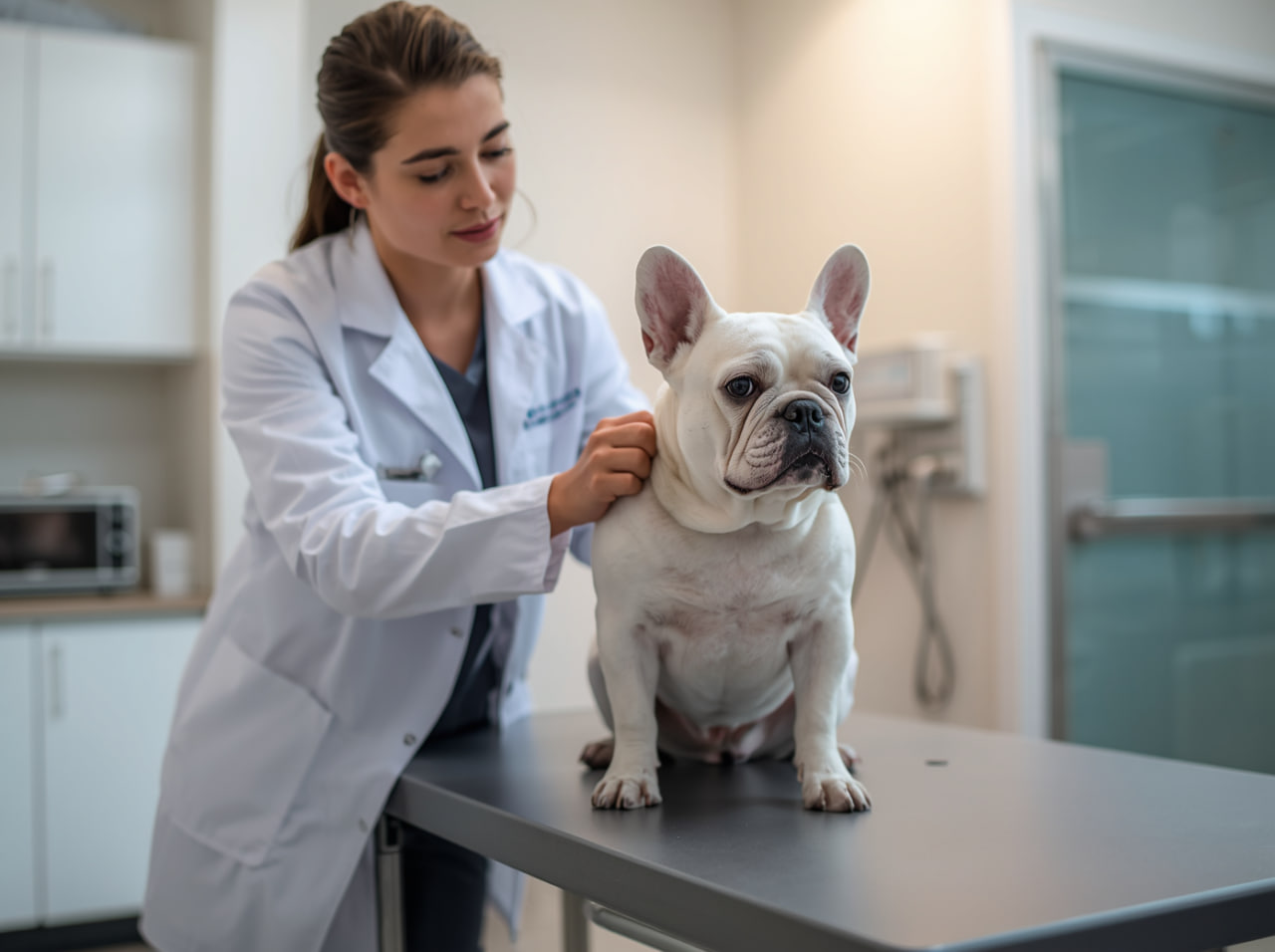
Understanding your dog’s breed-specific health predispositions is one of the most practically valuable things you can do as a dog owner. Every purebred dog carries a genetic heritage that includes both the traits that make the breed distinctive and a set of health vulnerabilities that have accumulated alongside those traits through generations of selective breeding. Knowing what conditions your breed is predisposed to allows you to: choose a reputable breeder who screens for these conditions, schedule appropriate health screenings at the right ages, recognize early warning signs before they become serious, budget realistically for potential veterinary expenses, and have more informed, proactive conversations with your veterinarian. This guide covers the most common health problems in the most popular dog breeds.
Large Breeds
Labrador Retriever
One of the most popular breeds worldwide, Labs are generally healthy but have several well-documented health predispositions:
- Hip and elbow dysplasia: abnormal development of the hip and elbow joints causing progressive arthritis and pain. Responsible breeders screen breeding dogs with OFA (Orthopedic Foundation for Animals) certification. Signs typically appear in middle age (4 to 6 years) as lameness, reluctance to exercise, or difficulty rising.
- Exercise-induced collapse (EIC): a genetic condition causing progressive hind limb weakness and collapse during intense exercise in affected dogs. A DNA test is available. Affected dogs can live normally with exercise modification.
- Obesity: Labs have a well-documented genetic predisposition to obesity — mutations in the POMC gene reduce satiety signaling, meaning many Labs genuinely feel less full than other breeds on the same caloric intake. Strict portion control throughout life is essential.
- Cancer: relatively high cancer rates in middle-aged and senior Labs, particularly lymphoma and mast cell tumors.
- Myopathy: Labrador hereditary myopathy, a muscle disease causing exercise intolerance and weakness, occurs at low frequency but with higher incidence than in most other breeds.
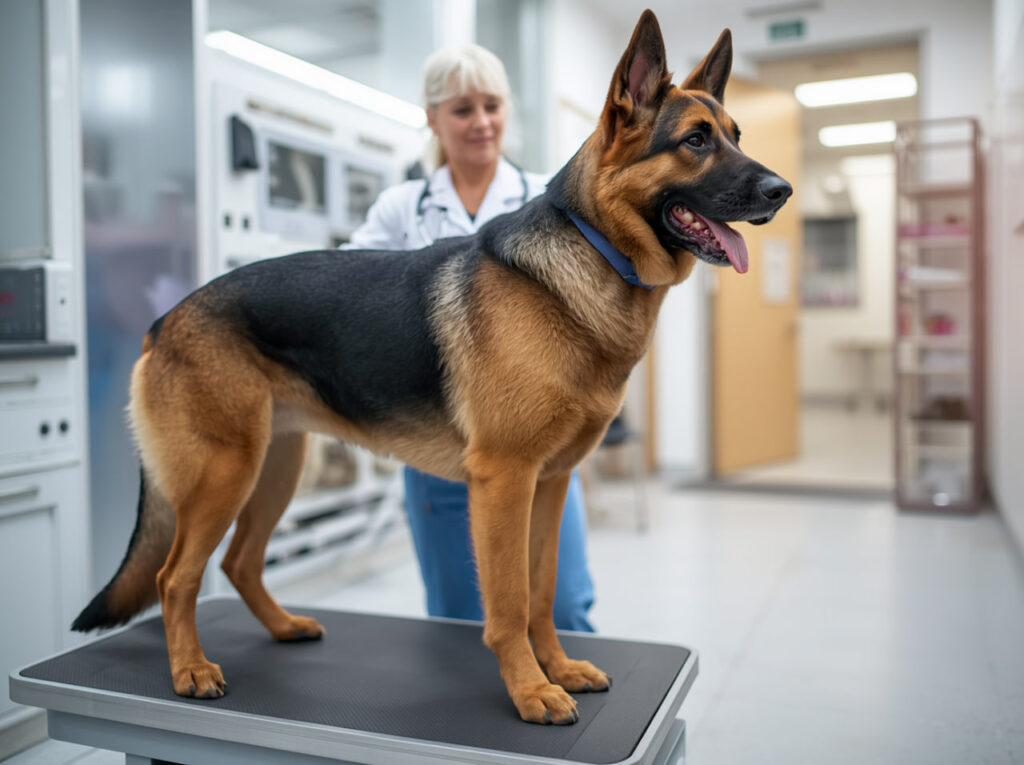
German Shepherd
- Degenerative myelopathy (DM): a progressive neurological disease affecting the spinal cord, causing rear limb weakness that gradually progresses to paralysis. Typically begins around 8 years of age. A DNA test is available.
- Hip dysplasia: one of the breeds with highest documented hip dysplasia prevalence. OFA screening of breeding dogs is standard in responsible breeding programs.
- Exocrine pancreatic insufficiency (EPI): the pancreas fails to produce sufficient digestive enzymes, causing severe malabsorption and weight loss despite good appetite. Treatable with daily enzyme supplementation.
- Bloat (gastric dilatation-volvulus): life-threatening stomach twisting more common in large, deep-chested breeds. Signs include unproductive retching, distended abdomen, and rapid deterioration. A veterinary emergency.
- Chronic degenerative radiculomyelopathy and other spinal conditions: German Shepherds have higher rates of spinal conditions generally due to their characteristic sloped topline.
Golden Retriever
- Cancer: Golden Retrievers have one of the highest cancer rates of any breed — approximately 60% of Goldens die of cancer, compared to roughly 25% across all breeds. Lymphoma, hemangiosarcoma, and osteosarcoma are particularly common. The Morris Animal Foundation Golden Retriever Lifetime Study is investigating the causes.
- Hip dysplasia: common in the breed. OFA screening recommended.
- Heart disease: subvalvular aortic stenosis (SAS) is a congenital heart condition with higher incidence in Goldens. Cardiology screening is recommended before breeding.
- Skin conditions: Golden Retrievers are prone to environmental allergies, hot spots (moist dermatitis), and sebaceous cysts.
Small and Medium Breeds
French Bulldog
- Brachycephalic Obstructive Airway Syndrome (BOAS): the most clinically significant health problem in the breed. Narrowed nostrils, elongated soft palate, and a narrow trachea severely restrict airflow. Many French Bulldogs require corrective surgery to breathe adequately. Heat tolerance is critically impaired.
- Intervertebral disc disease (IVDD): spinal disc herniation causing pain or paralysis. French Bulldogs have a screw tail and associated vertebral deformities that predispose them to spinal disease throughout the spinal column.
- Skin fold dermatitis: infections developing in facial and tail fold skin. Requires daily cleaning to prevent.
- Hip and elbow dysplasia: surprisingly common given the breed’s small size.
- Eye conditions: cherry eye, corneal ulcers, and distichiasis (abnormal eyelash growth) occur at higher rates.
- Reproductive difficulties: most French Bulldogs require cesarean section for delivery due to the breed’s conformation.
Cavalier King Charles Spaniel
- Mitral valve disease (MVD): the single most serious health concern in the breed. An estimated 50% of Cavaliers have evidence of MVD by age 5, and virtually all develop the condition by age 10. It progresses to congestive heart failure in affected dogs. Responsible breeders screen for MVD through annual cardiology examinations.
- Syringomyelia (SM) and Chiari-like malformation: a condition in which the skull is too small for the brain, causing fluid-filled cavities to form in the spinal cord. Produces characteristic ‘phantom scratching’ at the shoulder and neck area without contact with the skin. Grading protocols for screening breeding dogs exist.
- Hip dysplasia
- Episodic falling: a paroxysmal dyskinesia causing episodes of muscle stiffness during exercise. Manageable with medication.
Dachshund
- Intervertebral disc disease (IVDD): the most significant health problem in the breed. Dachshunds’ long spine combined with chondrodystrophic (short-legged) conformation predisposes them to disc herniation causing back pain, weakness, and paralysis. Approximately 25% of Dachshunds develop IVDD during their lifetime. Management of weight, avoidance of high-impact jumping, and ramp access to furniture significantly reduce risk.
- Obesity: common in the breed and significantly worsens spinal risk due to increased disc loading.
- Dental disease
- Pattern baldness
Beagle
- Epilepsy: primary (idiopathic) epilepsy has higher incidence in Beagles than most other breeds. Typically manageable with anticonvulsant medication.
- Hypothyroidism: underactive thyroid causing weight gain, lethargy, and coat changes. Treatable with daily medication.
- Hip dysplasia
- Meningitis-arteritis (Beagle pain syndrome): an immune-mediated inflammation of the blood vessels and meninges that causes severe pain and fever in young Beagles. Responsive to immunosuppressive treatment.

How to Be Proactive About Breed-Specific Health
- Choose a reputable breeder who performs and publishes health screening results: OFA for hips and elbows, cardiology certification for heart conditions, DNA testing for available genetic tests. Ask to see results for both parents.
- Find a veterinarian with experience in your breed: some breeds (particularly brachycephalic breeds and giant breeds) benefit from a vet with specific experience in their common conditions.
- Research your breed’s recommended screening timeline: breed clubs and organizations like the Orthopedic Foundation for Animals publish recommended screening protocols by breed.
- Consider pet insurance before any conditions develop: early enrollment maximizes coverage for the breed-specific conditions most likely to affect your dog.
- Monitor weight carefully throughout life: obesity amplifies virtually every breed-specific condition. A lifetime BCS of 4 to 5 out of 9 is one of the highest-return investments in breed health.
- Learn the early signs of your breed’s most common conditions: earlier intervention consistently produces better outcomes for every condition in this guide.
Frequently Asked Questions
Are mixed-breed dogs healthier than purebreds?
Mixed-breed dogs benefit from ‘hybrid vigor’ and generally have lower rates of specific inherited conditions than their purebred parents. However, they can inherit health conditions from any breed in their genetic background. The advantage of a mixed breed is reduced risk of any single breed’s concentration of problems — not an elimination of genetic health risk entirely.
How can I find out what health conditions my specific dog might be at risk for?
DNA health testing (Embark, Wisdom Panel) can identify genetic markers for dozens of inherited conditions in dogs of any breed or mix. These tests are not diagnostics — a positive result means elevated risk, not certainty of developing the condition — but they provide valuable information for proactive veterinary planning.
Should I avoid buying a French Bulldog because of their health problems?
This is a decision only you can make. French Bulldogs and other brachycephalic breeds have documented health challenges that result in above-average veterinary costs and in some cases significant lifelong breathing limitations. If you proceed, choose a breeder who selects actively for better respiratory function (wider nostrils, less exaggerated facial structure) and considers BOAS surgical correction for affected dogs. Responsible breeding and informed ownership are the most meaningful responses to this issue.
My breed is prone to hip dysplasia. What can I do preventively?
Keep your dog lean throughout life (most impactful single factor), avoid high-impact exercise on hard surfaces during growth (under 18 months for most large breeds), ensure your puppy source uses OFA-certified parents, and begin joint supplements (omega-3, glucosamine) as your dog enters middle age. Annual veterinary screening can identify early changes when they are most manageable.
Conclusion
Every dog breed is a product of human selection that optimized for specific traits while inadvertently concentrating certain health vulnerabilities. Understanding your breed’s predispositions is not cause for alarm — the vast majority of breed-specific conditions are manageable, many are preventable with appropriate care, and some can be detected and treated early through targeted screening. Knowledge is the most powerful preventive tool available to you as a dog owner. Use it proactively, in partnership with your veterinarian, and you give your dog the best possible foundation for a long and healthy life.