
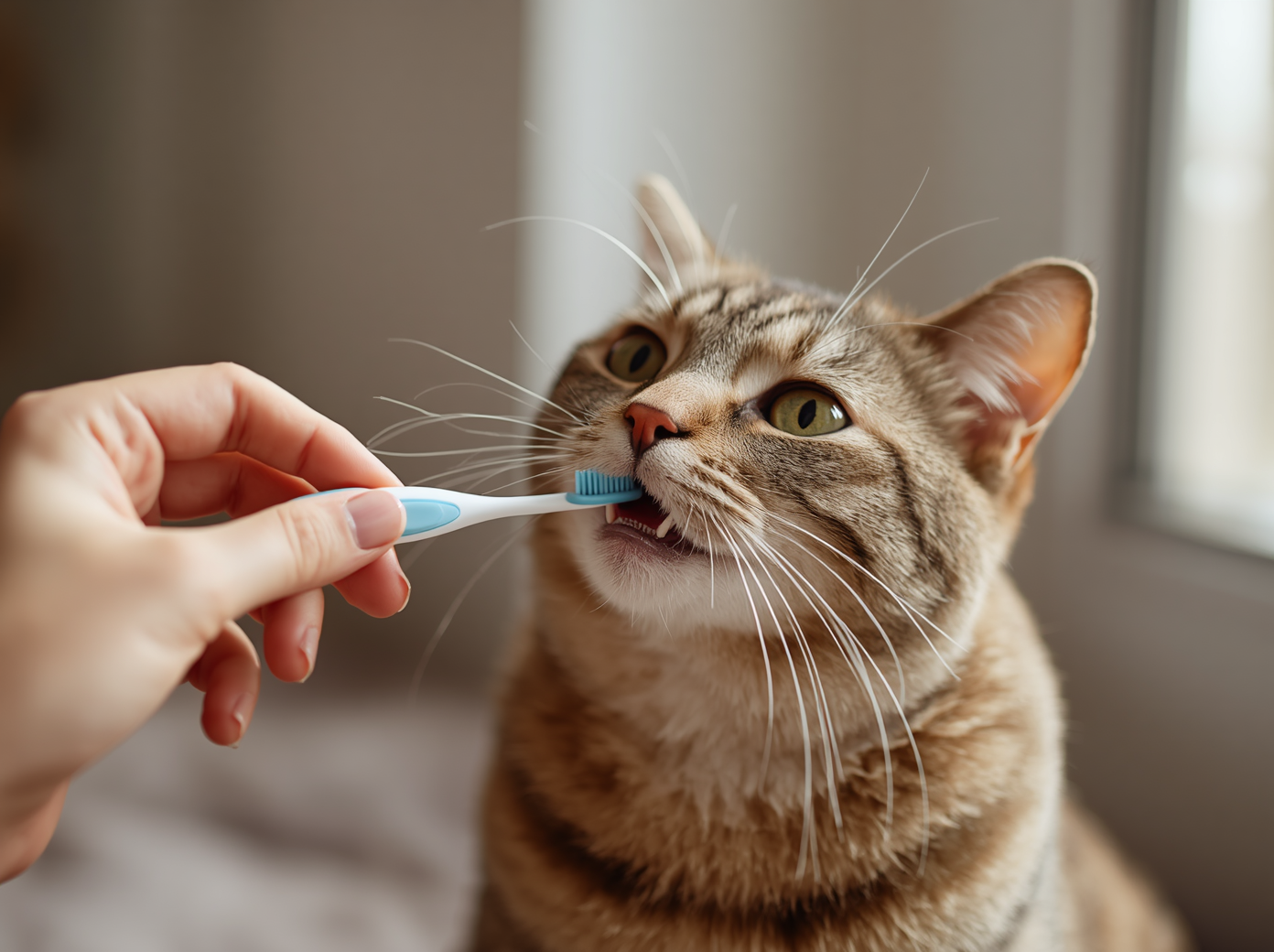
Dental disease is the single most common health condition diagnosed in domestic cats. According to multiple veterinary studies, an estimated 50 to 70% of cats over the age of three have some degree of periodontal disease — and by age five, many have progressed to painful conditions including tooth resorption, deep gum disease, and oral infections that affect systemic health. Despite this prevalence, feline dental care remains one of the most neglected aspects of routine pet health management. Most cats receive no dental care until disease is already advanced — at which point treatment requires anesthesia, extractions, and significant expense. This guide provides everything you need to start protecting your cat’s teeth now, before problems develop.
Why Dental Health Matters Beyond the Mouth
Dental disease in cats is not simply a cosmetic or quality-of-life issue limited to the mouth. Advanced periodontal disease allows bacteria from infected gum tissue to enter the bloodstream — a process called bacteremia — which directly damages the kidneys, heart, and liver over time. Given that kidney disease and heart disease are the leading causes of death in older cats, the connection between dental health and systemic organ health is clinically significant. Cats with untreated chronic dental disease have measurably worse outcomes for kidney disease and hypertrophic cardiomyopathy compared to those with good oral hygiene. Regular dental care is genuinely a longevity investment.
Understanding the Most Common Feline Dental Conditions
Periodontal Disease
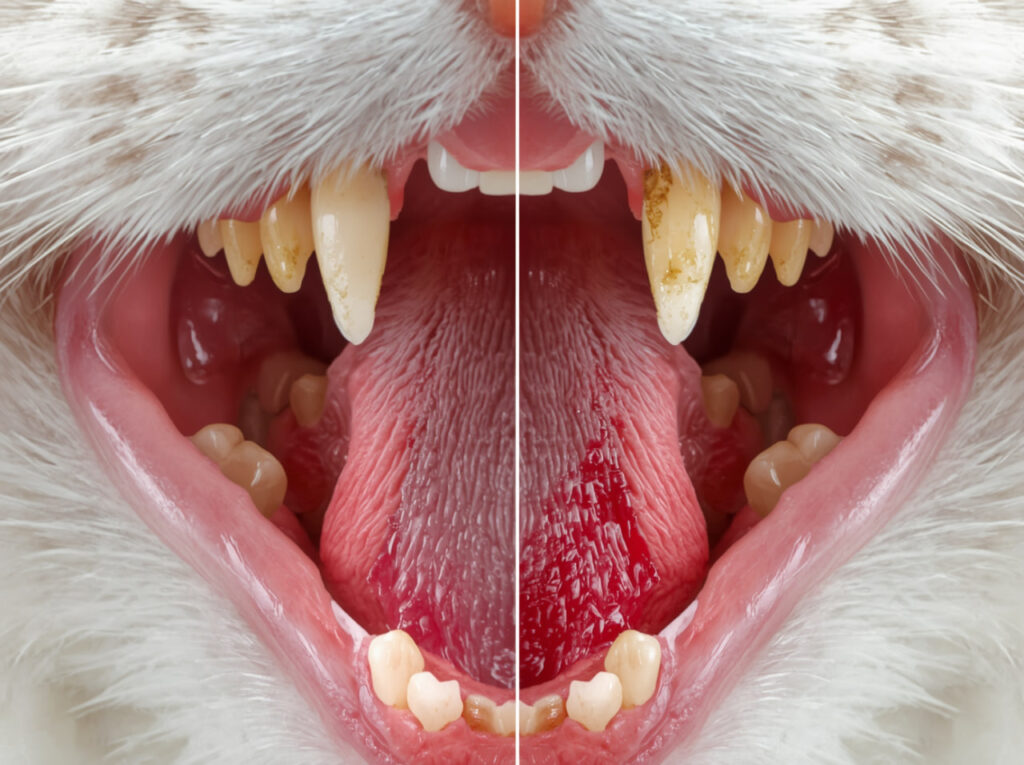
The progression of periodontal disease begins with plaque — a film of bacteria and food debris that forms on tooth surfaces within hours of eating. If not removed, plaque mineralizes within days into tartar (calculus) — a hard, yellow-brown deposit that cannot be removed by brushing and requires professional scaling. Tartar causes gum inflammation (gingivitis), which progresses to periodontitis — destruction of the deep supportive structures of the tooth including the bone. Advanced periodontitis causes tooth loss and chronic pain.
Tooth Resorption
Tooth resorption is the most common dental condition in cats, affecting approximately 28 to 67% of adult cats in various studies. The condition involves the progressive destruction of tooth structure, beginning from within the tooth or at the gum line. Affected teeth are extremely painful — the exposed dentin and pulp are highly sensitive — but cats typically mask this pain, continuing to eat while experiencing significant discomfort. The only treatment is extraction of the affected tooth, which reliably resolves the pain immediately.
Stomatitis (Feline Chronic Gingivostomatitis)
Stomatitis is a severe inflammatory condition affecting the entire oral cavity — not just the gum line. It causes intense redness, ulceration, and bleeding throughout the mouth and is believed to involve an abnormal immune response to oral bacteria and/or tooth root structures. Cats with stomatitis are often in profound pain and may be unable to eat. Treatment typically involves broad extraction (removal of all or most teeth) — which sounds dramatic but reliably resolves the condition and restores comfortable eating in the majority of cats.
The Gold Standard: Daily Tooth Brushing
Daily tooth brushing is the most effective single dental care measure available to cat owners. Research consistently shows that daily brushing reduces plaque and gingivitis scores significantly compared to other home care methods. The equipment:
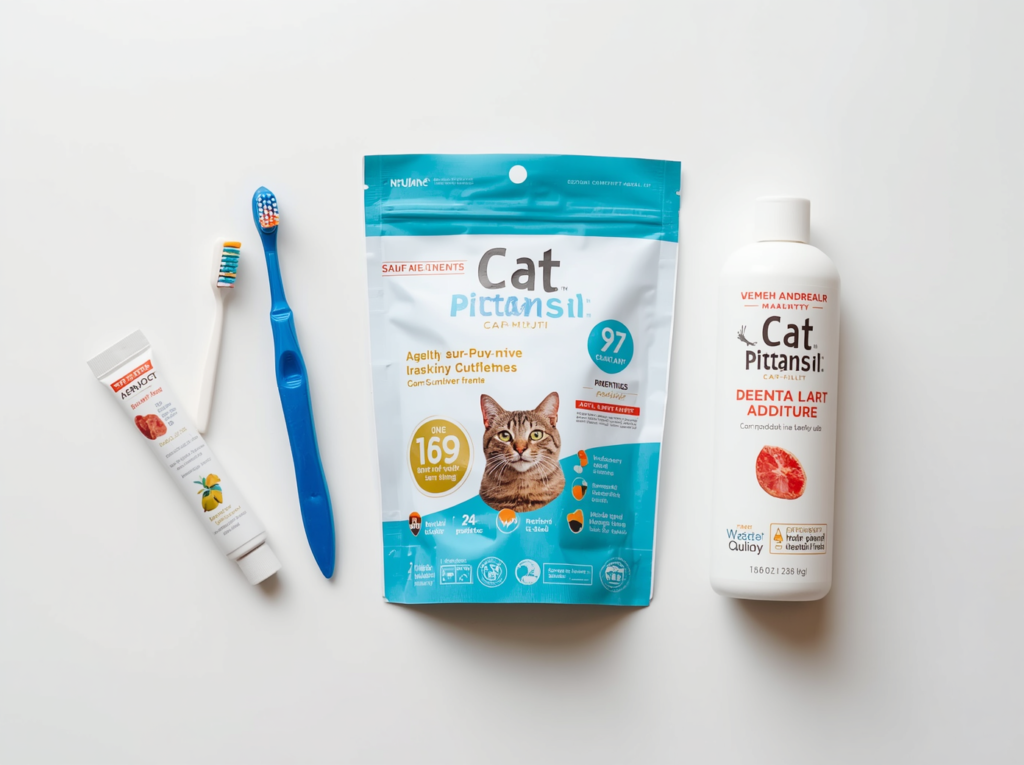
- Cat-specific toothbrush: small-headed, soft-bristled brushes designed for feline mouth anatomy. Finger brushes (rubber thimbles with bristles) are an effective alternative for cats who resist standard brushes. Never use a human toothbrush — the head is too large and the bristles too stiff.
- Cat-specific toothpaste: always use enzymatic toothpaste formulated specifically for cats. Human toothpaste contains fluoride, which is toxic to cats when ingested (and cats cannot rinse and spit). Cat toothpastes come in flavors — poultry, fish, malt — that most cats find palatable. The enzymatic action helps break down plaque even when brushing is imperfect.
- Never: human toothpaste, baking soda, hydrogen peroxide, or any other home remedy in a cat’s mouth.
How to Train Your Cat to Accept Tooth Brushing
Most cats require gradual desensitization to accept tooth brushing. Rush this process and you create lasting resistance. Take it slowly and you create a cat who tolerates, and sometimes enjoys, the routine:
- Week 1: Allow your cat to lick cat toothpaste from your finger. Do this daily for several days without touching the mouth. Build the positive association between the taste and a pleasant experience.
- Week 2: With toothpaste on your finger, gently lift the lip and run your finger along the outer surface of the upper teeth and gums for just two to three seconds. Reward immediately.
- Week 3: Introduce the brush with toothpaste. Allow the cat to sniff and lick. Briefly touch the brush to the teeth for two to three seconds. Reward.
- Week 4: Begin short brushing sessions — 10 to 15 seconds on each side — gradually extending duration as the cat habituates.
- Ongoing: aim for daily brushing covering all tooth surfaces. Even 30 seconds of brushing provides significant benefit compared to no brushing.
Alternatives When Brushing Is Not Possible
Daily brushing is the goal, but any brushing is better than none. For cats that strongly resist brushing after a patient desensitization effort, these alternatives provide meaningful (if lesser) benefit:
- Dental chews and treats designed for cats: the VOHC (Veterinary Oral Health Council) seal identifies products that have passed controlled clinical trials for plaque or tartar reduction. Always check for this seal.
- Dental water additives: added to the drinking water bowl daily. Enzymatic additives reduce bacterial load without requiring direct oral contact. Efficacy is more limited than brushing but better than nothing.
- Dental diets: prescription dental kibble (Hill’s Prescription Diet t/d, Royal Canin Dental) uses an oversize kibble that does not shatter on contact but requires the cat to bite through it, providing mechanical cleaning effect.
- Raw meaty bones: some proponents of raw diets include recreational raw bones for dental health. This approach has genuine supporting evidence but also real risks including bacterial contamination and tooth fracture in cats who chew too aggressively. Discuss with your veterinarian if interested.
Professional Dental Cleaning: What to Expect
Home care prevents disease progression but cannot remove established tartar — which requires professional scaling with ultrasonic and hand instruments. Professional cleaning in cats is always performed under general anesthesia. This is non-negotiable: awake dental procedures in cats cause extreme stress and do not allow the thorough examination and subgingival cleaning that constitute effective treatment. The procedure includes:
- Pre-anesthetic blood panel to assess organ function and anesthetic risk
- Inhalant anesthesia with IV fluid support and continuous monitoring
- Full-mouth radiographs — essential for identifying tooth resorption, bone loss, and root abnormalities not visible to the naked eye
- Ultrasonic scaling above and below the gum line
- Polishing of all tooth surfaces
- Extractions of non-viable teeth as indicated by radiographs and clinical findings
- Post-procedure pain management and antibiotics where appropriate
Most cats require professional cleaning once every one to two years when combined with regular home care. Cats with established periodontal disease may require more frequent professional maintenance. The most common question owners ask is whether anesthesia is safe for older cats — the answer is that anesthetic risk is minimized by pre-anesthetic bloodwork, IV fluid support, and continuous monitoring, and that the risk of leaving painful advanced dental disease untreated typically outweighs the anesthetic risk in most cases. Discuss with your veterinarian for guidance specific to your cat’s health status.
Frequently Asked Questions
My cat’s breath smells bad. Does that mean dental disease?
Bad breath (halitosis) in cats is almost always caused by oral bacteria associated with periodontal disease or tooth resorption. Occasional mild breath odor after eating is normal, but persistent halitosis is a reliable indicator of active dental disease requiring veterinary assessment.
At what age should I start dental care for my cat?
Start dental care when your cat is a kitten — ideally from 8 to 12 weeks of age, even before permanent teeth erupt. Early habituation to having the mouth handled makes lifelong dental care vastly easier.
Can cats eat normally after tooth extractions?
Yes — in most cases, remarkably well and without difficulty. Cats are highly adaptable and most cats eat normally, comfortably, and with visible improvement in wellbeing after extraction of painful or non-viable teeth. Many owners report that their cat eats more enthusiastically after extraction than they did before, because they are no longer in chronic pain.
Is anesthesia-free dental cleaning a safe alternative?
No. Anesthesia-free dental cleaning in cats is not recommended by the American Veterinary Dental College or the AVMA. It cannot safely reach below the gum line where disease originates, causes significant stress to the animal, and provides a false sense of security without addressing actual disease. It appears cosmetically beneficial (cleaner-looking teeth) without providing the clinical benefit of a proper professional cleaning.
Conclusion
Dental disease is the most preventable significant health condition in cats — and it is also the most commonly neglected. Starting daily tooth brushing from kittenhood, supplementing with evidence-based dental products when needed, and scheduling annual veterinary exams that include oral assessment (with professional cleaning when recommended) protects your cat from chronic pain, systemic disease, and expensive emergency dental procedures. The five minutes per week invested in your cat’s dental care is among the highest-return health investments you can make.