
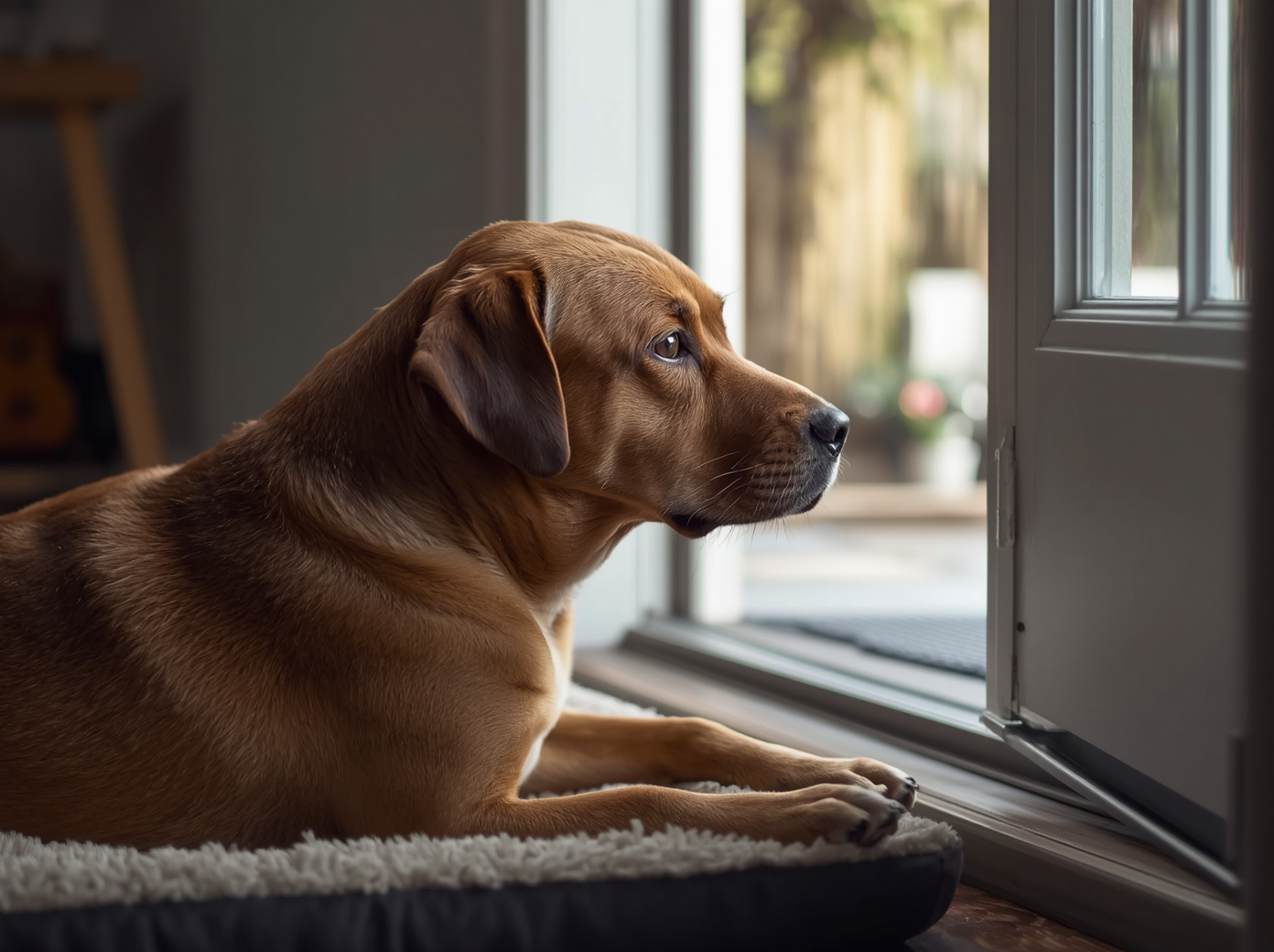
For most dog owners who work outside the home, the question of how long a dog can safely be left alone is not theoretical — it is a daily reality that requires a practical answer. The honest answer involves multiple variables: the dog’s age and developmental stage, their individual temperament and attachment style, whether they have a history of separation anxiety, their exercise and stimulation before being left alone, and the quality of their environment when unsupervised. In this guide, we break down the real limits by age and situation, explain what happens physiologically and psychologically when a dog is left for too long, and provide practical strategies for managing the time your dog spends alone.
The General Guidelines: Time Limits by Age
- 8 to 10 weeks old: maximum 1 hour. Puppies this age have no bladder control and limited capacity to cope with isolation.
- 10 to 12 weeks: maximum 2 hours. Bladder capacity is beginning to develop but remains very limited.
- 3 to 6 months: maximum 2 to 3 hours. Bladder control is improving but not complete. Emotional regulation capacity is also developing.
- 6 to 12 months: maximum 3 to 4 hours. Physically closer to adult capacity but still in a developmental period requiring more frequent interaction and management.
- Adult dogs (1 to 7 years): 4 to 6 hours routinely; occasional 8-hour absences are acceptable for well-adjusted dogs with adequate exercise before and after.
- Senior dogs (7+ years): varies depending on health, but many senior dogs have reduced bladder capacity and need more frequent outdoor access. 4 to 5 hours maximum is often more appropriate.
These are guidelines, not absolute rules. Individual variation is enormous. A well-exercised, calm Basset Hound may be perfectly comfortable with 6 hours of independent time. A young, anxious, highly social working breed may struggle after 2 hours regardless of their biological capacity.
What Happens When Dogs Are Left Alone Too Long?
Physical Consequences
The most immediate physical consequence of extended isolation is the inability to eliminate when needed. Dogs that are physically capable of holding it beyond their comfort zone for extended periods are experiencing real physical discomfort — not simply choosing to wait. Repeated forced retention can contribute to urinary tract infections in some dogs. Puppies and senior dogs who cannot hold it will eliminate indoors, and the stress of having done so in their living space adds an emotional layer to the physical discomfort.
Behavioral and Emotional Consequences
Dogs are social animals that evolved to live in groups. Extended daily isolation creates a chronic stress state that manifests behaviorally as destructive behavior, excessive vocalization, inappropriate elimination, and in more severe cases, clinical separation anxiety. Separation anxiety is not simply a dog that is bored or misbehaving — it is a genuine anxiety disorder with measurable physiological stress markers that requires structured behavioral treatment, environmental management, and in some cases veterinary medication to resolve.
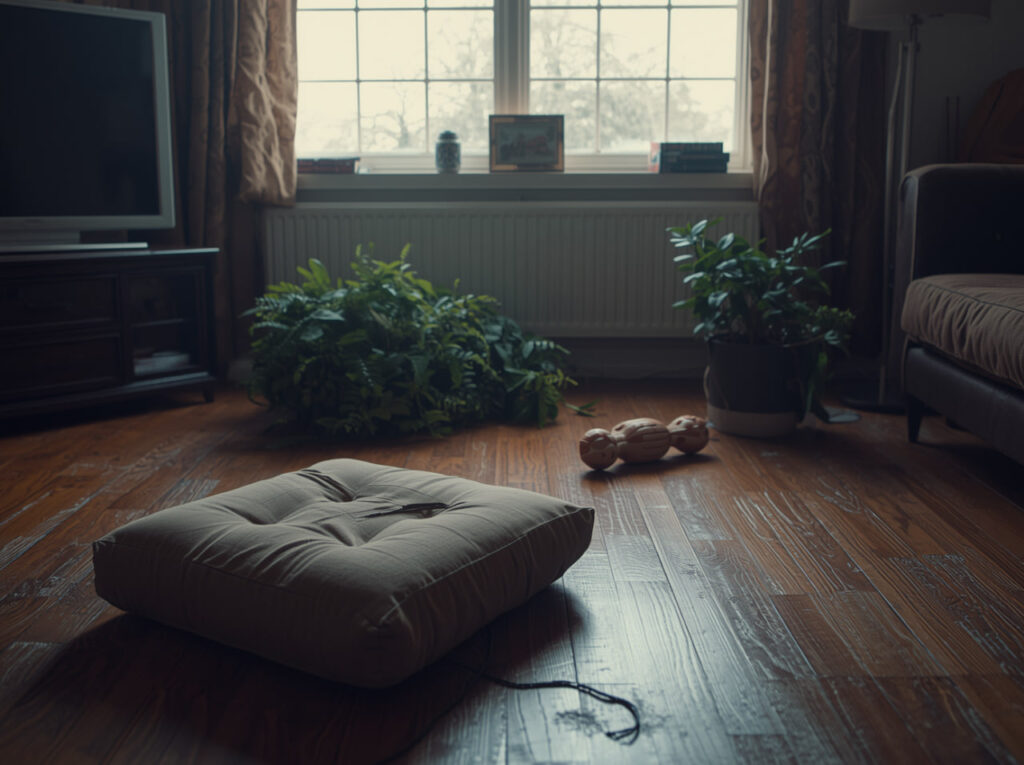
Signs Your Dog Is Struggling With Being Left Alone
- Destructive behavior concentrated on exits (doors, windows, door frames)
- Vocalization — barking, howling, whining — audible to neighbors or captured on home cameras
- Indoor elimination despite being recently walked and normally house-trained
- Excessive self-grooming — paw licking, flank sucking — in response to anxiety
- Profound over-excitement on your return that lasts for an extended period
- Visible signs of distress when you prepare to leave: following you closely, panting, salivating, trembling
- Diarrhea or vomiting regularly on days you are absent — stress colitis is common in anxious dogs
Practical Strategies for Dogs Who Must Be Left Alone
Before You Leave
- Exercise adequately before departure: a tired dog is a significantly calmer dog. A 30 to 45-minute walk or active play session before you leave reduces the anxiety energy available for destructive behavior.
- Feed before leaving: a dog that has recently eaten and is physiologically content and slightly drowsy is less likely to be distressed.
- Establish a low-key departure routine: dramatic departures (extensive goodbyes, high-emotion interactions) elevate the dog’s arousal level and make the contrast between your presence and absence more jarring. Leave matter-of-factly and calmly.
During Your Absence
- Dog-proof and enrich the space: remove items the dog can destroy or ingest. Provide safe chew toys (Kongs stuffed with frozen food are excellent), puzzle feeders, and calming background sound (radio, white noise, or Through a Dog’s Ear music).
- Camera monitoring: a home camera allows you to assess your dog’s actual behavior while alone — identifying whether they sleep peacefully or are vocally or physically distressed. This information directly guides whether additional support is needed.
- Midday visit or dog walker: breaking up an 8-hour absence with a midday walk significantly reduces stress and provides the toilet access needed. This is the single most effective intervention for dogs left for full working days.
- Dog daycare: for highly social dogs or those struggling with daily absences, two to three days per week of daycare provides structured social engagement and supervised activity during work hours.
- Automated puzzle feeders or treat-dispensing cameras: devices that dispense treats on a schedule or through remote activation maintain engagement and provide positive reinforcement for calm behavior.
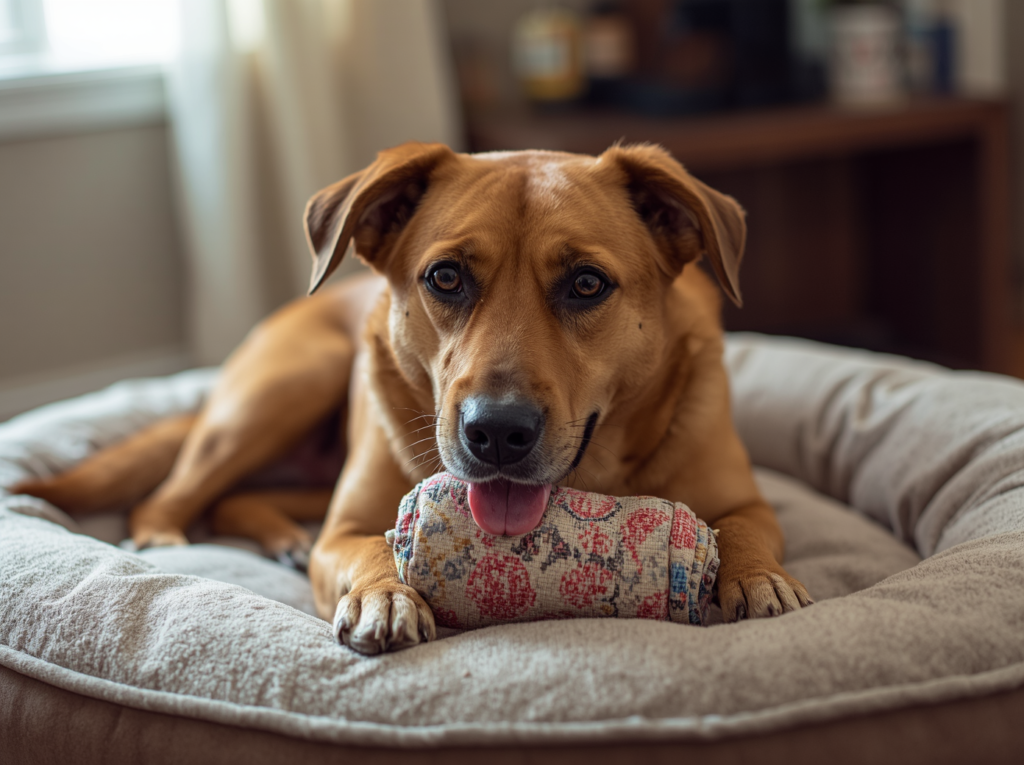
When You Return
- Match your energy to the behavior you want: if your dog is extremely over-excited on return, avoid immediately rewarding that state with high-energy interaction. Wait calmly for the dog to settle — even slightly — before offering a calm greeting. This gradually shapes a calmer return greeting over time.
- Immediately walk your dog: return from any absence of four or more hours should include an immediate outdoor toilet trip and brief walk.
When Separation Anxiety Requires Professional Help
If your dog shows signs of severe separation anxiety — panic-level distress, self-injury, destructive behavior focused on exits, inability to settle for even brief periods — this requires more than management strategies. Clinical separation anxiety is a treatable condition that benefits from: a behavior modification protocol developed by a certified professional dog trainer or veterinary behaviorist (which involves systematic desensitization to being alone starting from very short durations), and in moderate to severe cases, veterinary-prescribed anti-anxiety medication (fluoxetine, clomipramine) used alongside behavior modification to reduce the baseline anxiety level enough for learning to occur. Do not attempt to treat clinical separation anxiety through punishment or by simply leaving the dog for longer to ‘teach them to cope’ — this approach reliably worsens the condition.
Frequently Asked Questions
Can I leave my dog alone for 8 hours while I work?
Occasionally, yes — for well-adjusted adult dogs with adequate exercise. For a daily work schedule, 8 hours routinely without a midday break is above the recommended guideline for most dogs and should be supplemented with a midday dog walker or dog daycare at least several days per week.
Should I leave the TV or radio on for my dog?
Background sound — radio, television, or specifically designed calming music (Through a Dog’s Ear) — can reduce environmental sensitivity and provide a sense of presence for some dogs. It is a low-cost, easy-to-implement supplement to other strategies, though it is not sufficient as a stand-alone intervention for dogs with significant separation anxiety.
Is it cruel to crate a dog while at work?
A properly introduced crate, appropriately sized, used for a duration the dog can comfortably manage, is not cruel — it is a safe, den-like environment that many dogs find genuinely comforting. An overly large crate, a crate that is too small, a crate used for excessive durations, or a crate introduced without proper positive training can all create distress. The crate is a tool — its impact depends entirely on how it is used.
My neighbor says my dog barks all day. What should I do?
Install a camera to confirm the behavior and assess its severity. Address the root cause: increase exercise before departure, provide more enrichment, arrange a midday visit, and if separation anxiety is the cause, pursue appropriate behavioral and veterinary intervention. Do not simply ignore the neighbor’s feedback — prolonged daily barking indicates your dog is experiencing genuine distress.
Conclusion
The question of how long a dog can be left alone does not have a single universal answer — but it does have honest parameters that responsible ownership requires you to work within. Regular daily absences of eight hours without support are above the comfort zone for most dogs and should be supplemented with midday breaks. Young puppies and senior dogs need more frequent human contact. And any dog displaying signs of distress during your absence deserves a solution, not a dismissal. With appropriate exercise, enrichment, environmental management, and support when needed, most dogs can manage reasonable periods of time alone contentedly.