

If you own a dog, you have almost certainly watched them stop in the middle of a walk, lower their head, and begin methodically munching on grass like a small, enthusiastic goat. Grass-eating is one of the most universal dog behaviors — studies suggest the majority of dogs engage in it at some point — and it is also one of the most consistently misunderstood. Many owners assume their dog is sick, trying to induce vomiting, or nutritionally deficient when they eat grass. The evidence tells a different and more fascinating story. In this guide, we examine what the research actually says about why dogs eat grass, when it might indicate a problem, and what you can do if the behavior concerns you.
What the Research Says: Is Grass-Eating Normal?
The scientific literature on grass-eating in dogs — formally known as pica when referring to the consumption of non-food items — is surprisingly conclusive on several points. A landmark study published in the journal Applied Animal Behaviour Science surveyed 1,571 dog-owning respondents and analyzed the behavior in depth. Key findings:
- 68% of owners reported that their dog ate plants — most commonly grass — on a daily or weekly basis.
- Only 8% of dogs appeared ill before eating grass.
- Only 22% of dogs vomited after eating grass — meaning the majority of grass-eating dogs do not vomit, which directly contradicts the common assumption that dogs eat grass specifically to vomit.
- Grass-eating was significantly more common in younger dogs than older dogs.
- Hunger state (whether the dog had eaten before grazing) did not significantly affect whether they vomited after eating grass.
These findings strongly support the conclusion that grass-eating is a normal, predominantly non-medical behavior in dogs — not primarily a response to illness or a deliberate attempt to induce vomiting.
The Most Likely Reasons Dogs Eat Grass
1. Ancestral Instinct and Normal Omnivory
Dogs evolved from wolves, and wolves — along with virtually all other wild canids — regularly consume plant material as part of their natural diet. Analysis of wolf scat consistently reveals the presence of grass and other plant matter, both from direct consumption and from the stomach contents of prey animals. Many animal behaviorists believe that grass-eating in domestic dogs is a retained ancestral behavior, a vestige of their evolutionary history as opportunistic omnivores rather than strict carnivores.
2. They Simply Enjoy It
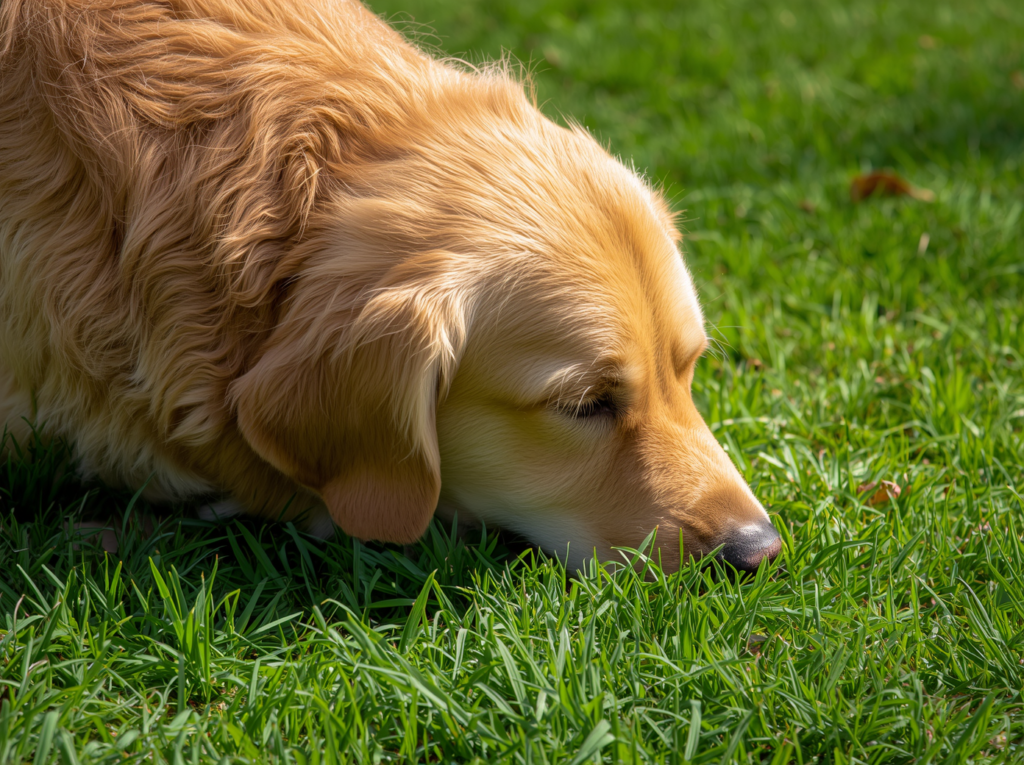
One of the most straightforward explanations is also the most underappreciated: many dogs eat grass because they find it enjoyable. Fresh spring grass is tender, slightly sweet (from the chlorophyll and plant sugars), and texturally interesting. The act of grazing may also be intrinsically satisfying from a sensory perspective — the pulling and chewing motion is similar to play behavior. Dogs, like humans, can enjoy food and sensory experiences that do not serve a specific biological purpose.
3. Fiber and Digestive Regulation
Dogs whose diets are low in dietary fiber sometimes seek supplementary plant fiber from environmental sources. Grass is a source of insoluble fiber, which can help regulate bowel movements, support gut motility, and provide bulk in the digestive tract. If your dog is eating grass compulsively and also has irregular stools, it may be worth evaluating the fiber content of their diet and discussing options with your veterinarian.
4. Boredom and Under-Stimulation
Dogs that are bored, under-exercised, or have insufficient mental stimulation sometimes engage in grass-eating as a displacement behavior — something to do when there is nothing more interesting available. If your dog eats grass primarily when under-stimulated (during quiet periods at home, in the yard with nothing else to engage with), increasing exercise and enrichment activities is worth trying as a first intervention.
5. The Self-Medication Theory: More Myth Than Fact
The popular belief that dogs eat grass specifically to induce vomiting and relieve stomach upset — that they are instinctively ‘self-medicating’ — is largely unsupported by the available evidence. As the study cited above shows, fewer than a quarter of grass-eating dogs vomit afterward, and the majority do not appear ill beforehand. While it is possible that some dogs occasionally eat grass when nauseous and that vomiting is the result, this appears to be the exception rather than the rule. Framing all grass-eating as self-medication is an oversimplification that can lead owners to ignore other potential explanations.
Is Grass Safe for Dogs to Eat?
Untreated grass from a clean, uncontaminated source is generally safe for dogs. The meaningful risks are:
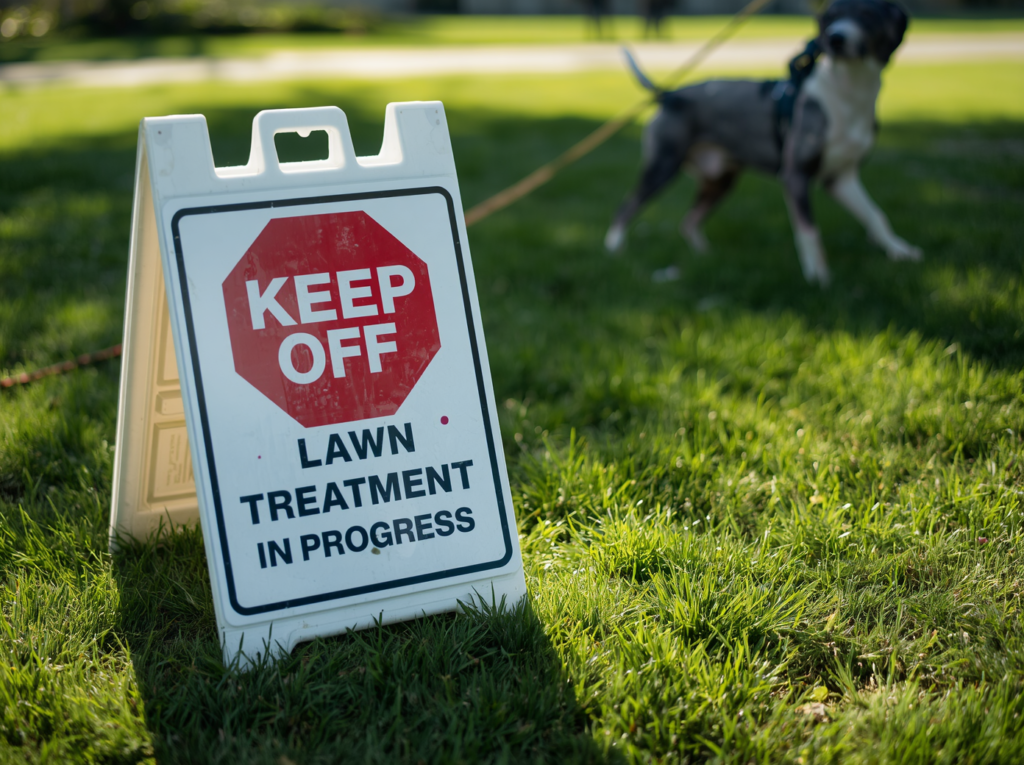
- Pesticides, herbicides, and fertilizers: chemically treated grass can cause anything from mild gastrointestinal upset to serious poisoning. Never allow your dog to graze on recently treated lawns — the product label will indicate the safe re-entry period for pets.
- Parasites: grass contaminated with feces from other animals can harbor intestinal parasites including roundworms, hookworms, and Giardia. Keeping your dog’s deworming protocol current is essential for any dog that regularly grazes outdoors.
- Toxic plants: while grass itself is generally safe, gardens often contain plants that are toxic to dogs. Ensure your dog is not consuming other plants alongside the grass.
- Pesticide-treated public areas: be particularly cautious in public parks and sports fields that may be treated with herbicides and pesticides not labeled for pet safety.
When Grass-Eating Requires Veterinary Attention
While grass-eating is usually benign, the following scenarios warrant a veterinary evaluation:
- Sudden onset of compulsive grass-eating in a dog that has not previously shown this behavior
- Grass-eating accompanied by repeated vomiting, especially if the vomit contains bile or blood
- Grass-eating alongside other signs of illness: lethargy, loss of appetite, diarrhea, abdominal pain, or distension
- Evidence that your dog may have ingested grass from a chemically treated area
Frequently Asked Questions
Should I try to stop my dog from eating grass?
For most dogs in most situations, grass-eating is harmless and attempting to stop it entirely is unnecessary and often futile. Focus on ensuring your dog only accesses untreated grass, keeps up with deworming, and does not show any signs of illness. If the behavior is compulsive or excessive, consult your vet.
Does grass-eating mean my dog’s diet is lacking something?
Not necessarily, though fiber deficiency is one possible explanation for compulsive grass-eating. For most casual grass-grazers, nutritional deficiency is not the cause. If you are concerned, discuss the fiber content of your dog’s diet with your veterinarian.
Can grass cause intestinal blockage in dogs?
In very unusual circumstances involving the ingestion of a very large quantity of coarse grass, gastrointestinal issues could theoretically occur. In practice, typical grass-eating behavior in dogs does not cause intestinal blockage.
Why does my dog eat grass and then throw up?
While uncommon, some dogs do eat grass when nauseous and vomit as a result. If this happens rarely and your dog returns to normal afterward, it is not necessarily a cause for concern. If your dog regularly eats grass and vomits, a veterinary assessment is warranted to rule out underlying gastrointestinal disease.
Conclusion
Grass-eating is a normal, overwhelmingly benign behavior in the vast majority of dogs. Rather than a sign of illness or nutritional deficiency, it is most likely an expression of ancestral instinct, genuine enjoyment, or mild boredom. Your most important responsibilities are ensuring your dog only grazes on untreated grass, maintaining an up-to-date deworming protocol, and watching for the specific signs that would indicate a veterinary visit is needed. For most dogs and most owners, grass-eating is simply one of the delightful quirks of sharing your life with a dog.