
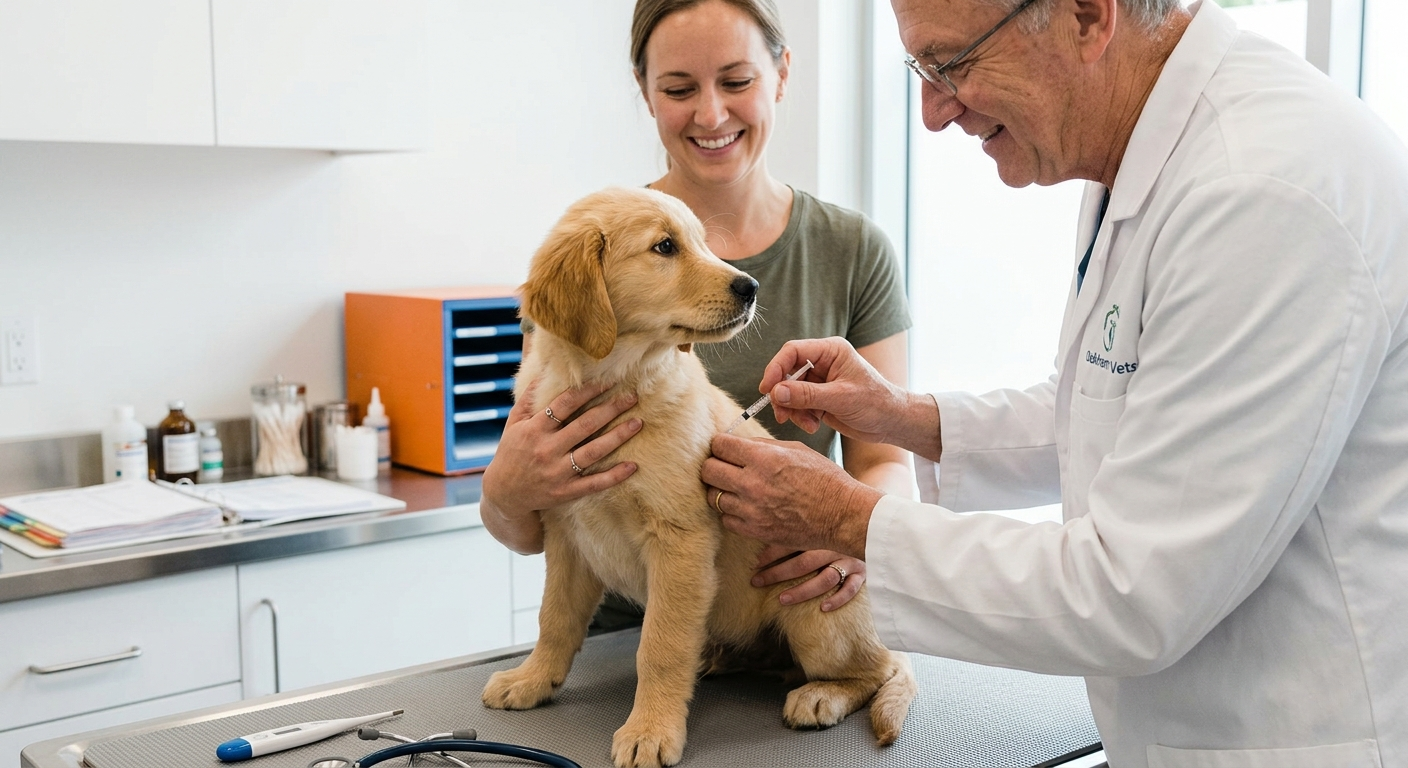
Vaccination is one of the most fundamental and cost-effective preventive health measures available for dogs. Core vaccines protect against diseases that are highly contagious, often fatal, and widespread in the environment — diseases that no responsible dog owner would want their pet to face without protection. Yet the vaccination schedule can feel confusing, particularly for new puppy owners navigating a series of vet visits in the first several months. This guide demystifies the entire vaccination process — explaining what each vaccine protects against, when it is given, how long it lasts, and which vaccines are optional versus essential.
Core vs Non-Core Vaccines: Understanding the Distinction
Veterinary guidelines divide dog vaccines into two categories based on the universality of the recommendation:
Core Vaccines — Recommended for All Dogs
Core vaccines protect against diseases that are severe, potentially fatal, highly contagious, or represent a public health risk. The American Animal Hospital Association (AAHA) designates the following as core for all dogs:
- Distemper (CDV): a highly contagious viral disease attacking the respiratory, gastrointestinal, and nervous systems. Fatal in many unvaccinated dogs. No effective treatment — prevention through vaccination is the only reliable protection.
- Parvovirus (CPV-2): an extremely contagious and frequently fatal viral disease causing severe hemorrhagic gastroenteritis. Particularly devastating in puppies. The virus survives in the environment for months to years and is resistant to most disinfectants.
- Adenovirus / Infectious Canine Hepatitis (CAV-2): protects against infectious canine hepatitis and respiratory disease. Severe hepatitis can be fatal.
- Rabies: a fatal viral neurological disease transmissible to humans. Vaccination against rabies is legally required in most jurisdictions in the US, UK, and many other countries. One-year and three-year formulations are available.
Distemper, parvovirus, and adenovirus are typically administered together in a combination vaccine designated DA2PP or DHPP (the H refers to hepatitis/adenovirus, the additional P to parainfluenza — which is sometimes included in the combination).
Non-Core Vaccines — Recommended Based on Risk Factors
- Bordetella bronchiseptica (kennel cough): strongly recommended for any dog that visits groomers, boarding facilities, dog parks, or has significant contact with other dogs. Often required by kennels and dog care facilities.
- Leptospirosis: recommended for dogs with outdoor exposure, particularly those who swim in natural water, encounter wildlife, or live in rural or flood-prone areas. Leptospirosis is a bacterial disease transmissible to humans.
- Lyme disease: recommended in tick-endemic regions (northeastern US, upper Midwest, UK highlands). Given alongside tick prevention.
- Canine influenza (H3N2 and H3N8): recommended for dogs with significant social contact with other dogs — particularly those that board, attend doggy daycare, or participate in dog shows.
- Rattlesnake vaccine: available in some regions for dogs with high exposure to rattlesnakes.

Puppy Vaccination Schedule: Week by Week
Puppies receive maternal antibodies from their mother’s milk during nursing, which provide some protection against disease in early life. However, these maternal antibodies also interfere with vaccine response — they neutralize the vaccine antigens before the puppy’s immune system can mount its own response. Because it is impossible to know exactly when maternal antibody levels drop low enough in any individual puppy, a series of vaccines at 3 to 4 week intervals is given to ensure at least one dose falls in the window after maternal antibodies have waned but before natural disease exposure. The standard puppy schedule:
- 6 to 8 weeks: DA2PP combination vaccine (first dose). Bordetella if socialization exposure is anticipated.
- 10 to 12 weeks: DA2PP (second dose). Leptospirosis first dose if recommended for your area. Bordetella booster if given at 6 to 8 weeks.
- 14 to 16 weeks: DA2PP (third dose — the final puppy series dose). Rabies (required by most jurisdictions from 12 to 16 weeks depending on local law). Leptospirosis second dose. Lyme first dose if in endemic area.
- 12 to 16 months: DA2PP booster (1 year after the final puppy series dose). Rabies booster (1 year after initial). Leptospirosis annual booster. Lyme annual booster if applicable. Bordetella every 6 to 12 months depending on lifestyle and product used.
Adult Dog Vaccination Schedule
After the 12-month boosters, the schedule becomes less intensive for most core vaccines:
- DA2PP: every 3 years for adult dogs (AAHA recommendation for core combination). Some individual component vaccines have 3-year durations of immunity; others are annual. Your vet will advise based on the specific products used.
- Rabies: 1-year or 3-year formulations exist. Your vet will advise on the appropriate product and timing for your jurisdiction. Legal requirements vary by state and country.
- Leptospirosis: annual — this vaccine does not provide multi-year immunity.
- Bordetella: every 6 to 12 months depending on the route of administration (intranasal provides shorter-duration immunity than injectable) and the dog’s exposure level.
- Lyme: annual — typically given in early spring before tick season begins in endemic regions.
- Canine influenza: annual if recommended.
Titer Testing: An Alternative to Automatic Revaccination
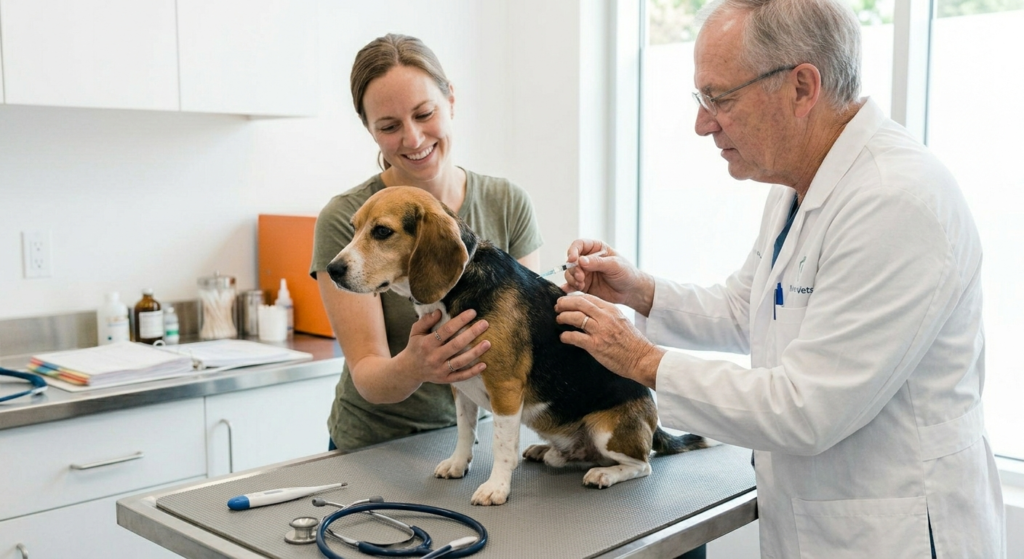
Antibody titer testing is a blood test that measures the level of protective antibodies against specific diseases (typically distemper and parvovirus). A dog with adequate titers is considered to have sufficient immunity and may not require that specific booster vaccine at that time. Titer testing is accepted as an alternative to routine revaccination for core vaccines (except rabies, which is governed by legal requirements) by a growing number of veterinarians and is supported by the AAHA guidelines. It adds cost per test but may reduce the total number of booster vaccines given over a dog’s lifetime. Discuss with your veterinarian whether titer testing is appropriate for your dog.
Vaccine Side Effects: What to Expect
Most dogs tolerate vaccines well. Mild, expected reactions that resolve within 24 to 48 hours include:
- Mild lethargy or reduced activity on the day of vaccination
- Mild soreness or firmness at the injection site
- Reduced appetite for 24 hours
- Low-grade fever
Seek immediate veterinary attention if your dog shows any of the following within minutes to hours of vaccination:
- Facial swelling, hives, or itching (anaphylactic reaction)
- Vomiting or diarrhea
- Difficulty breathing or collapse
- Extreme lethargy beyond 24 hours
Anaphylaxis is rare but requires immediate treatment. If your dog has had a prior reaction to a specific vaccine, inform your veterinarian before the next dose — they may pre-medicate with antihistamines or adjust the vaccine protocol.
Frequently Asked Questions
Can I vaccinate my dog at home?
Some core vaccines are available at farm supply stores and can be self-administered. However, veterinary-administered vaccines are preferable for several reasons: veterinarians examine the dog at each visit (catching health problems), maintain proper cold chain storage, can respond to adverse reactions, and provide the official documentation required for legal purposes (rabies) and boarding or travel.
My adult rescue dog has no vaccination history. What should I do?
Your vet has two options: restart the full puppy series (conservative, ensures complete protection) or perform titer testing first to determine existing immunity before deciding on vaccination needs. Titer testing is increasingly popular for adult rescues with unknown histories.
Is it safe to vaccinate a sick dog?
No — vaccines should only be given to clinically healthy dogs. Vaccinating a sick dog may reduce the immune response to the vaccine and can mask or complicate existing illness. Postpone vaccination until your dog has fully recovered.
Do indoor dogs need all the same vaccines as outdoor dogs?
Core vaccines (distemper, parvovirus, adenovirus, rabies) are recommended for all dogs regardless of lifestyle — exposure to these diseases can occur through contaminated shoes, clothing, or brief outdoor contact. Non-core vaccines like Lyme and leptospirosis may be less critical for strictly indoor dogs but should be discussed with your vet based on your specific circumstances.
Conclusion
Vaccination is one of the highest-return investments in your dog’s long-term health. The diseases prevented by core vaccines — distemper, parvovirus, hepatitis, and rabies — are severe, often fatal, and entirely preventable. Following the recommended schedule, maintaining accurate vaccine records, and discussing your dog’s lifestyle and risk factors with your veterinarian at each annual visit ensures your dog has appropriate, up-to-date protection throughout their life.