
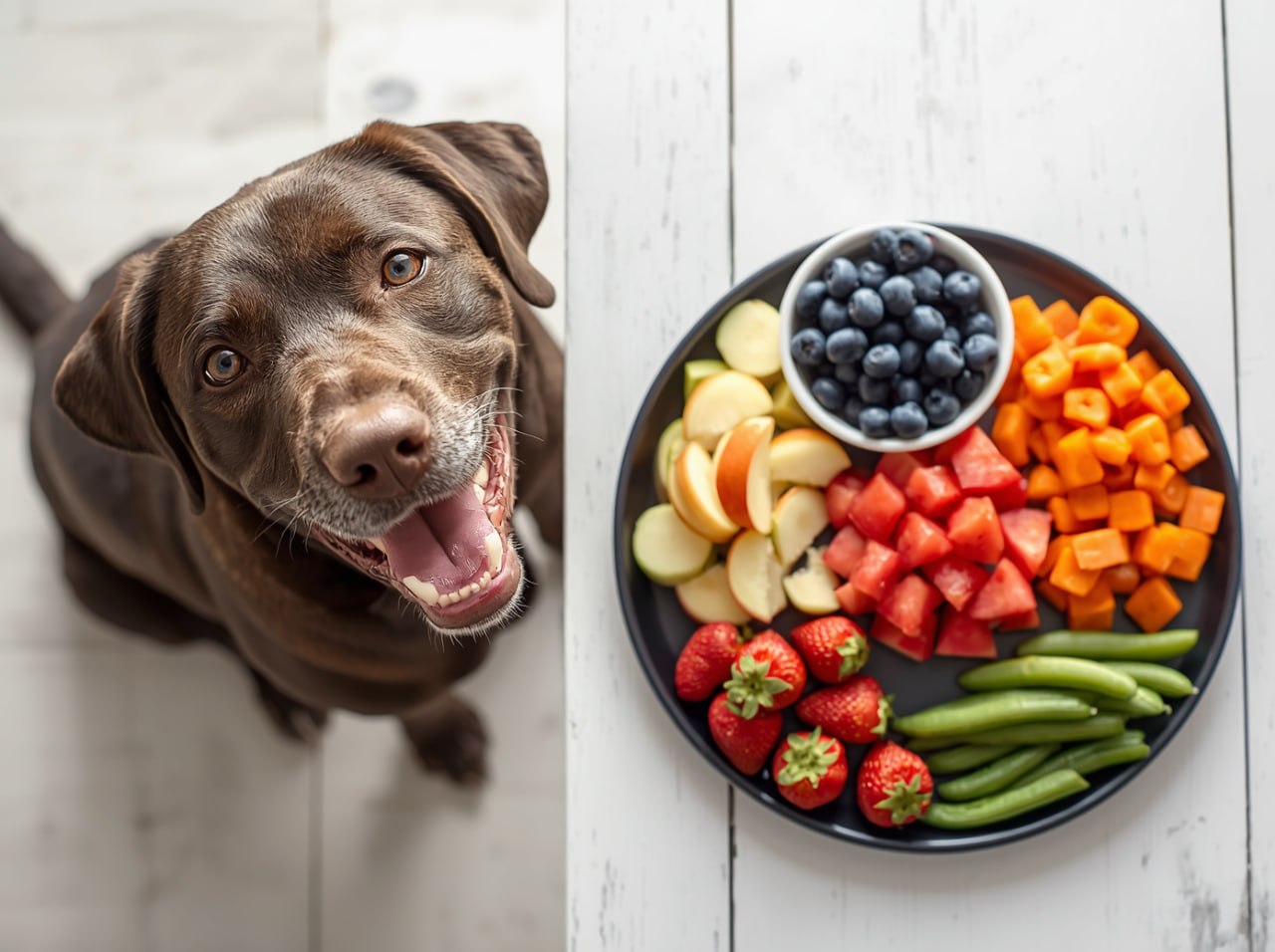
Sharing food with your dog is one of the small pleasures of pet ownership — and the good news is that many fruits and vegetables are not just safe for dogs but genuinely nutritious. The challenge is that the list of safe produce sits alongside a shorter but critically important list of foods that are toxic or harmful, and the consequences of getting it wrong range from digestive upset to kidney failure. This comprehensive, vet-referenced guide gives you a clear, detailed reference for what dogs can and cannot eat from the produce aisle, with preparation notes, appropriate portions, and clear warnings for every food on both lists.
Safe Fruits for Dogs
Apples
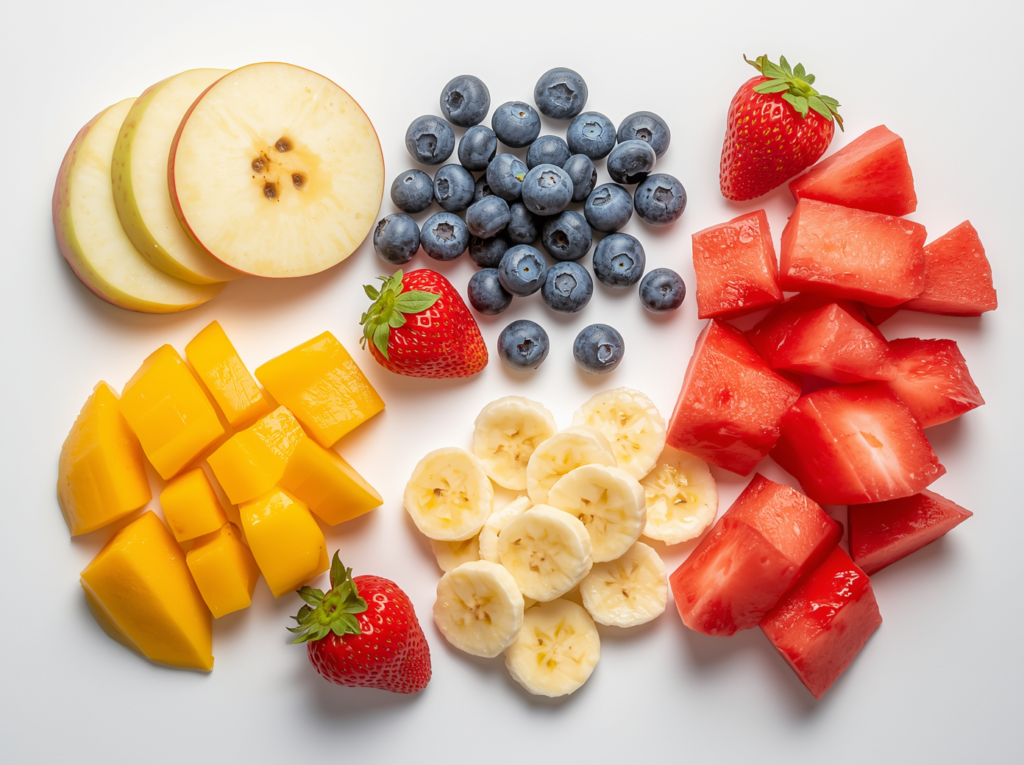
Apples are one of the best fruit treats for dogs — low in calories, high in fiber, and rich in vitamins A and C. The flesh and skin are both safe. The seeds and core must always be removed — apple seeds contain amygdalin, which releases cyanide when metabolized. Slice into thin wedges with seeds removed, or use an apple corer to prepare quickly. Most dogs enjoy both raw apple slices and frozen apple pieces.
Blueberries
Blueberries are arguably the most nutritionally valuable fruit treat available to dogs. Extremely high in antioxidants (particularly anthocyanins), vitamins C and K, manganese, and fiber — and at approximately 1 calorie per berry, they can be offered generously without caloric concern. Fresh or frozen blueberries are equally nutritious. Their small size makes them ideal training treats. Dogs that have never had blueberries almost universally love them.
Watermelon
Watermelon flesh is 92% water, making it an exceptional hydration treat on hot days. It also provides vitamins A, B6, and C. Always serve seedless varieties — watermelon seeds can cause intestinal blockage in smaller dogs — and never serve the rind, which is hard to digest and can cause gastrointestinal upset. Cut into cubes or freeze for a summer treat.
Bananas
Bananas are a good source of potassium, vitamin B6, vitamin C, and magnesium, and most dogs love their sweet flavor and soft texture. The sugar content is higher than most other dog-safe fruits, so offer in moderate amounts — a few slices, not a whole banana — particularly for dogs prone to weight gain. The peel is technically not toxic but is difficult to digest and best avoided.
Strawberries
Strawberries provide vitamin C, antioxidants, and malic acid (which may support dental whitening). They are lower in calories than many other fruits and safe to offer regularly as treats. Remove the stem and hull before serving. Fresh or frozen — both are safe and nutritious.
Mango (Flesh Only)
Fresh mango flesh provides vitamins A, B6, C, and E, plus fiber and antioxidants. Always remove the pit completely (choking hazard and trace cyanide) and the skin (digestive irritant). Offer in moderate portions due to relatively high sugar content — a few cubes is appropriate for most dogs.
Pineapple (Fresh Flesh Only)
Fresh pineapple provides vitamin C, B6, manganese, and bromelain — a digestive enzyme unique to pineapple. Remove the spiky skin and tough core before serving. Never serve canned pineapple in syrup. Moderate portions due to sugar content.
Cantaloupe
Rich in vitamins A and C and beta-carotene. Higher water content than many fruits provides good hydration value. Serve seedless flesh only, never the rind. Moderate portions due to higher natural sugar compared to melon alternatives.
Safe Vegetables for Dogs
Carrots
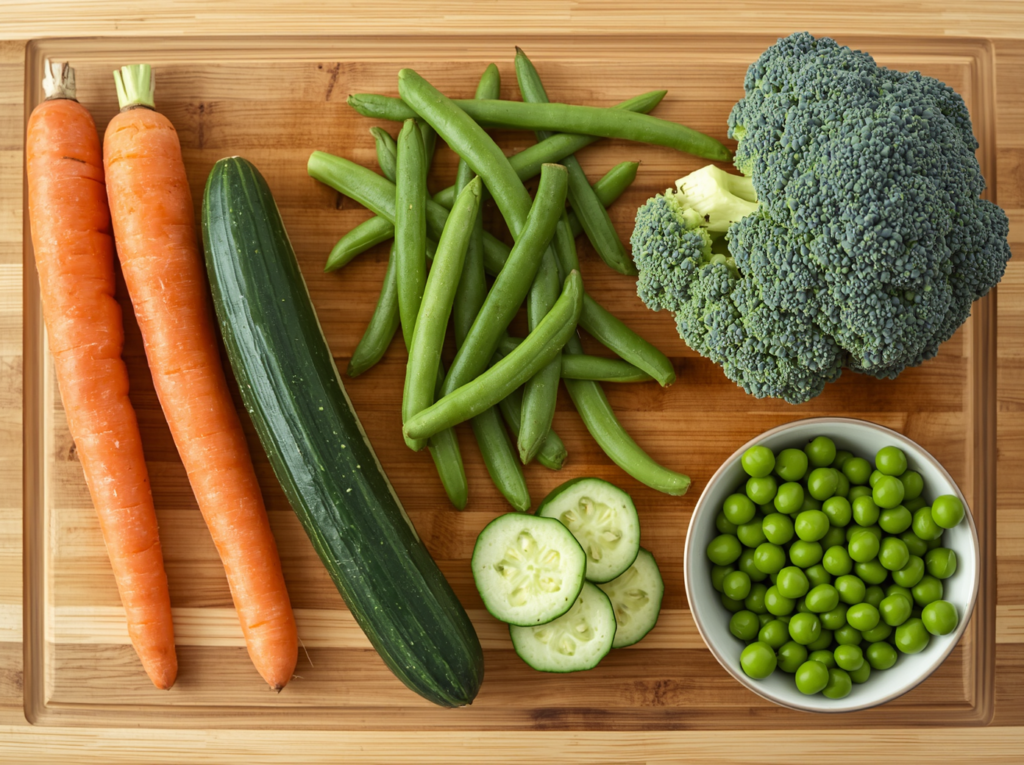
One of the best vegetable treats for dogs in any form — raw, cooked, or frozen. Extremely low calorie (approximately 4 calories per medium carrot), rich in beta-carotene and vitamin A, and the crunchy texture of raw carrots provides a mild mechanical cleaning effect on tooth surfaces. Large raw carrot sticks are also excellent teething aids for puppies. Safe daily.
Green Beans
Plain green beans — fresh, frozen, or canned without salt — are a popular low-calorie treat particularly useful for weight management. Their high fiber content and low calorie density (2 to 3 calories per bean) make them an excellent substitute for commercial treats during a weight loss program. Offer raw, steamed, or frozen.
Sweet Potato (Cooked)
Cooked sweet potato is rich in fiber, beta-carotene, vitamins A and C, and manganese. Always cook before serving — raw sweet potato contains compounds that become safe only after cooking. Plain, unseasoned cooked sweet potato (steamed, boiled, or baked) — never with butter, sugar, or spices — is safe in moderate amounts.
Cucumber
One of the lowest-calorie vegetables available — approximately 1 calorie per slice. Very high water content makes it hydrating. An excellent treat for overweight dogs or dogs on calorie-restricted diets. Safe in virtually unlimited amounts.
Broccoli
Broccoli florets are rich in vitamins K and C, fiber, and potassium. Safe in small amounts — isothiocyanates in broccoli can cause gastrointestinal irritation if fed in large quantities. Offer as an occasional treat rather than a daily staple. Both raw and lightly steamed are acceptable.
Peas (Fresh or Frozen)
Fresh, frozen, or thawed peas (avoid canned — too high in sodium) provide protein, fiber, vitamins K, A, and B, and folate. Safe as regular treats in appropriate amounts. Avoid in dogs with kidney disease — peas are relatively high in purines.
Foods That Are Toxic to Dogs — Never Feed These
The following foods can cause serious illness or death and must be kept completely away from dogs:
- Grapes and raisins: even tiny amounts can cause acute kidney failure. The exact toxic mechanism is unknown and individual sensitivity varies — some dogs develop kidney failure from a single grape; others appear unaffected by more. There is no established safe dose. Any ingestion is a veterinary emergency.
- Onions, garlic, leeks, shallots, and chives: all allium family vegetables damage red blood cells and cause hemolytic anemia. Toxic in all forms — raw, cooked, dried, and powdered. Garlic powder in small amounts can accumulate to toxic levels with regular exposure.
- Avocado: contains persin in the flesh, skin, pit, and leaves. Causes vomiting, diarrhea, and in larger amounts, cardiovascular damage.
- Cherries: the pit, stem, and leaves contain cyanide. The flesh is not acutely toxic but the pit is a choking and toxicity hazard.
- Tomatoes (unripe): ripe red tomatoes are technically safe in small amounts, but unripe green tomatoes and the tomato plant (stems and leaves) contain solanine, which is toxic to dogs.
- Stone fruit pits: peach, apricot, and plum pits all contain cyanogenic glycosides. The flesh of these fruits is safe in appropriate amounts; the pits never.
Frequently Asked Questions
How much fruit can I give my dog per day?
Fruits should represent no more than 10% of your dog’s daily caloric intake when combined with all other treats. For a 50-pound dog eating approximately 1,000 calories per day, this is about 100 calories from all treats combined. Given the low calorie density of most fruits, this allows for generous amounts of berries, melon, and other low-sugar options.
Are frozen fruits and vegetables safe for dogs?
Yes — plain frozen fruits and vegetables without added sugars, salt, or flavorings are safe and nutritionally equivalent to fresh. Many dogs enjoy frozen treats, particularly in summer. Ensure pieces are an appropriate size to avoid choking.
My dog ate a grape. What should I do?
Contact your veterinarian or ASPCA Animal Poison Control (888-426-4435) immediately, even for a single grape. Do not wait for symptoms — kidney damage may not show clinical signs until it is advanced. Early intervention (inducing vomiting under veterinary guidance) is most effective before absorption occurs.
Can vegetables replace commercial treats entirely?
Yes — many veterinarians actively encourage using plain vegetables like carrots, green beans, and cucumber as primary treat alternatives, particularly for overweight dogs. They provide a chewing and reward experience with a fraction of the caloric load of commercial treats.
Conclusion
The world of dog-safe produce is expansive and genuinely nutritious — offering a wide range of vitamins, antioxidants, and fiber that complement a complete commercial diet. The foundation is simple: learn the short list of toxic foods by heart (grapes, onions, garlic, avocado, xylitol), offer everything safe in appropriate portions without seasonings, and introduce new foods gradually one at a time. With these principles in place, sharing healthy produce with your dog is a straightforward, rewarding part of life with a pet.