
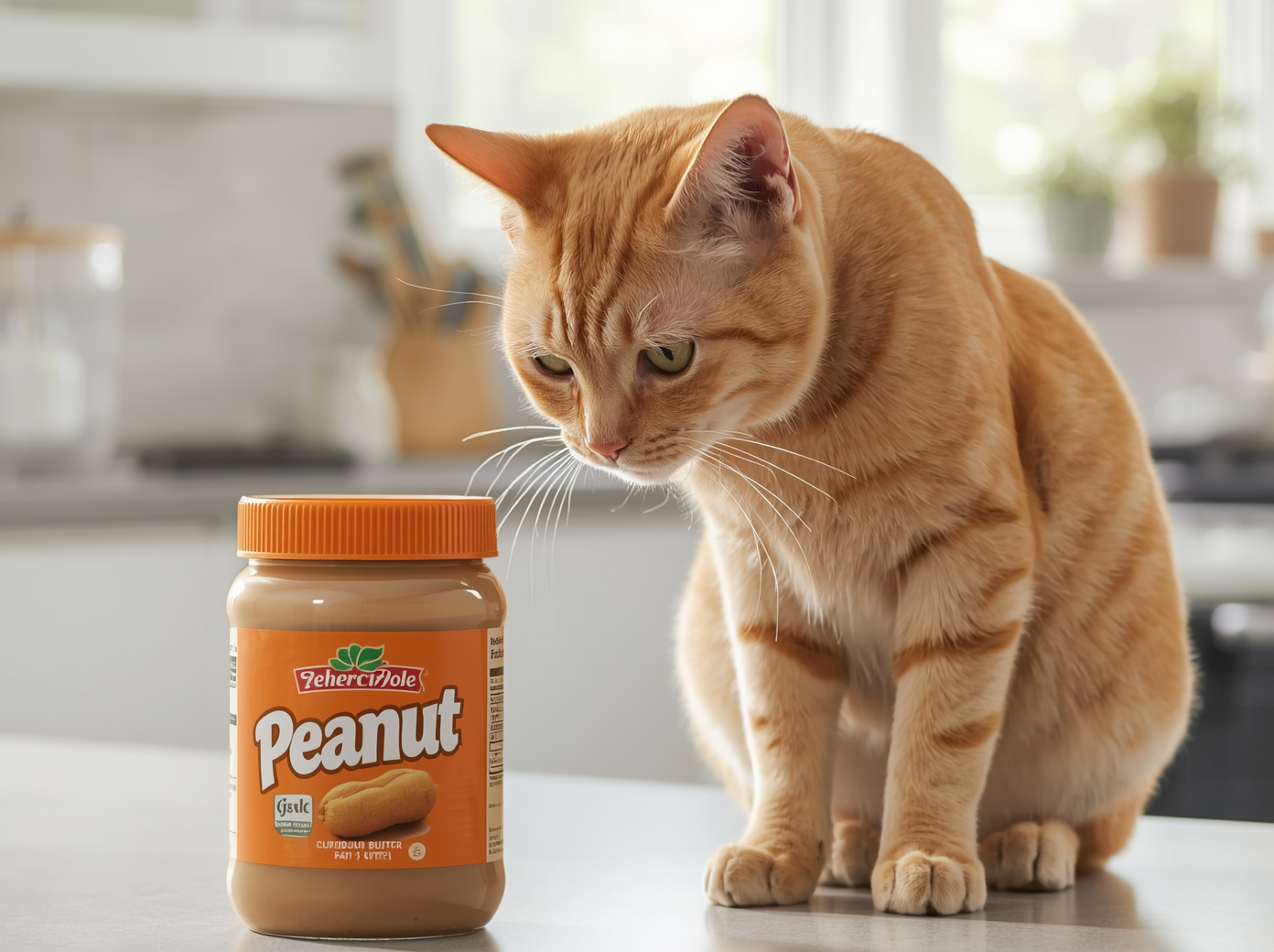
Peanut butter has become enormously popular as a dog treat — and for good reason, as plain peanut butter without xylitol is a safe and effective high-value treat for most dogs. Cat owners sometimes wonder whether their feline companions can enjoy the same thing. The answer requires considerably more nuance than the dog equivalent. While plain peanut butter is not classified as acutely toxic to cats the way certain other foods are, there are multiple meaningful reasons why it should generally not be offered to cats — and one risk that makes it genuinely dangerous: xylitol. Here is the complete picture.
Is Peanut Butter Safe for Cats?
The straightforward answer is: technically not toxic in plain form, but not recommended and potentially dangerous depending on the brand. There is an important distinction between ‘not acutely toxic’ and ‘safe and appropriate.’ Cats are obligate carnivores — their digestive systems and nutritional requirements evolved around an almost exclusively animal-protein diet. They lack the metabolic pathways to efficiently process large amounts of plant proteins, carbohydrates, or fats from plant sources. Peanut butter, which is derived from legumes, sits entirely outside the nutritional framework that cats evolved to consume.
The Xylitol Danger: The Most Important Thing to Know
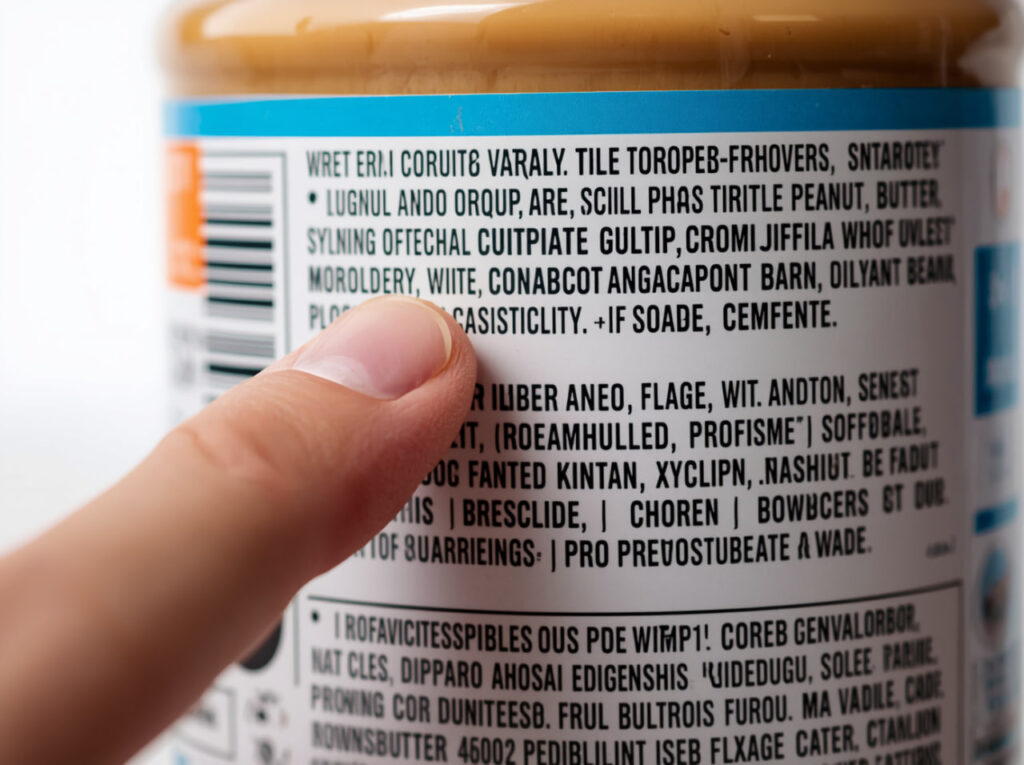
This is the most critical piece of information in this article: a growing number of peanut butter brands have replaced sugar with xylitol, an artificial sweetener that is safe for humans but highly toxic to both cats and dogs. In cats and dogs, xylitol triggers a rapid and severe drop in blood glucose (hypoglycemia) and can cause acute liver failure. Symptoms of xylitol poisoning appear within 30 minutes to 12 hours after ingestion and include vomiting, weakness, loss of coordination, collapse, and seizures. Even small amounts can be lethal. Brands that have used xylitol in their formulations include some varieties of Go Nuts, Nuts ‘N More, Krush Nutrition, and others. This list changes as manufacturers update recipes — always read the full ingredient label every single time before allowing any pet near peanut butter, even if it is a brand you have used before.
Why Peanut Butter Is a Poor Choice for Cats — Even Without Xylitol
Beyond the xylitol risk, there are several additional reasons why peanut butter is not an appropriate treat for cats:
- Cats cannot taste sweetness: unlike dogs and humans, cats lack the taste receptors for sweetness. This means cats derive no pleasure from the sugary-sweet flavor that makes peanut butter appealing to many dogs. Most cats show very little interest in peanut butter for this reason.
- Very high in fat: even a teaspoon of peanut butter contains about 8 grams of fat. For a cat, this is a significant fat load. Regular consumption of high-fat foods increases the risk of obesity and pancreatitis in cats.
- Very high in calories relative to cat size: a tablespoon of peanut butter contains approximately 90 calories. An average adult cat only requires 180 to 250 calories per day. A single tablespoon would provide roughly 40% of their daily caloric needs with zero nutritional benefit.
- Sticky texture poses an aspiration risk: peanut butter’s thick, adhesive consistency can stick to the roof of a cat’s mouth and throat. If a cat tries to swallow it too quickly, it can cause choking or aspiration into the airway — a medical emergency.
- Potential allergen: peanut allergies, while less common in cats than in humans, do occur. A cat’s first exposure to peanut butter could trigger an allergic reaction.
- High sodium content in many brands: most commercial peanut butters contain added salt. Excessive sodium can lead to increased thirst, dehydration, and in severe cases sodium ion poisoning in cats.
Can Cats Have Peanut Butter to Take Medicine?
This is one of the most common reasons cat owners consider peanut butter — as a vehicle for hiding medication. For cats, there are much better and safer options. Most cats are significantly more food-motivated by animal proteins than by plant-based foods. Try pill pockets or pill paste specifically formulated for cats, small pieces of cooked chicken or tuna wrapped around a pill, or ask your veterinarian about compounding the medication into a flavored liquid or transdermal gel applied to the inner ear flap (pinnae) — a popular and highly effective option for cats.
Better Treat Alternatives for Cats
If you want to offer your cat a special treat that is genuinely appropriate for their biology, these options are far superior to peanut butter:
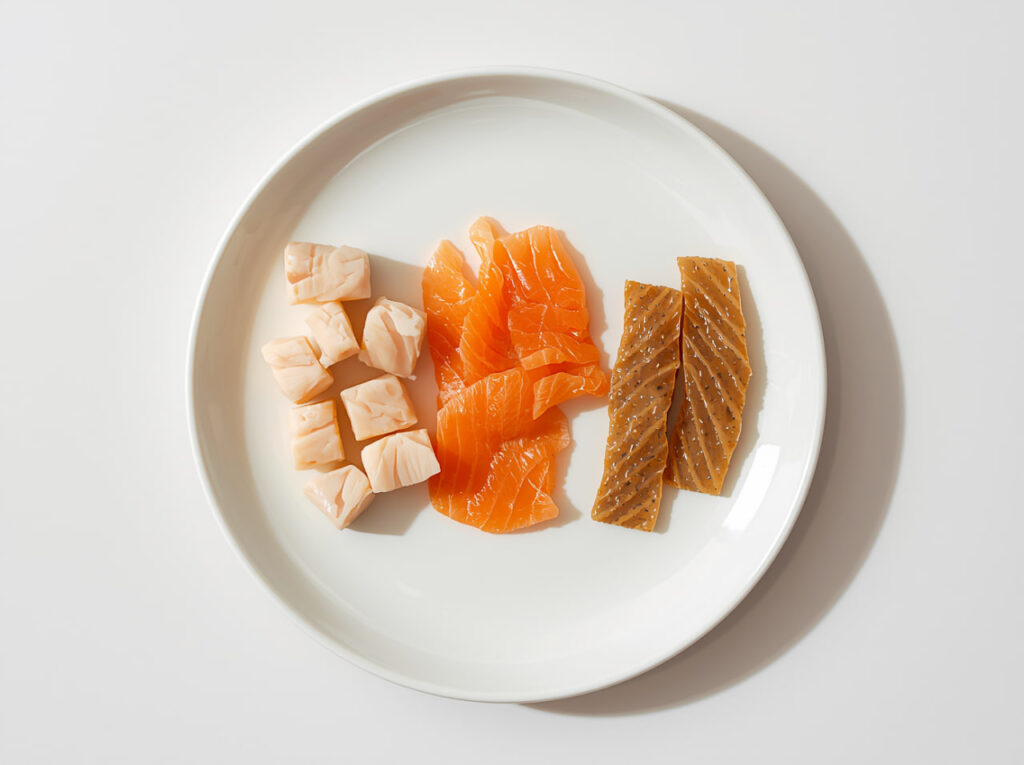
- Plain cooked chicken (no seasoning, no bones): the gold standard cat treat. High in lean protein, highly palatable, and biologically appropriate.
- Plain cooked salmon or tuna: rich in omega-3 fatty acids. Offer occasionally — daily tuna consumption can lead to mercury accumulation and Vitamin E deficiency.
- Plain cooked shrimp (no shell, no tail, no seasoning): a low-calorie, high-protein option that most cats find irresistible.
- Freeze-dried single-ingredient meat treats: available at most pet stores. Chicken, salmon, beef, and duck are common options. Zero additives, minimal processing, biologically appropriate.
- Commercial cat treats formulated by veterinary nutritionists: designed to be nutritionally balanced and appropriate for feline metabolism.
Frequently Asked Questions
My cat licked a tiny bit of peanut butter. What should I do?
If the peanut butter did not contain xylitol, a very small amount — a lick or two — is unlikely to cause serious harm. Monitor for vomiting, lethargy, or diarrhea over the next few hours. If the product contained xylitol, or if you are unsure, contact your veterinarian or an animal poison control center immediately.
What is the ASPCA Animal Poison Control number?
The ASPCA Animal Poison Control Center can be reached at 888-426-4435 (US). There is a consultation fee. The Pet Poison Helpline is available at 855-764-7661.
Do cats actually like peanut butter?
Most cats show little interest in peanut butter because they lack sweet taste receptors. Some cats may be attracted to the fat and salt content, but it is far less commonly appealing to cats than to dogs.
Can I use peanut butter as a cat enrichment activity?
There are far better options for feline enrichment feeding. Lick mats loaded with blended cooked chicken, canned tuna in water, or cat-specific wet food provide the same slow-feeding enrichment benefit with biologically appropriate and nutritionally valuable content.
Conclusion
While plain peanut butter without xylitol will not immediately harm your cat if consumed in very small quantities, it offers no nutritional benefit, poses real risks through its fat and calorie content, and becomes genuinely dangerous when it contains xylitol. There is simply no good reason to offer it when so many better, biologically appropriate alternatives are available. Stick to protein-based treats that align with your cat’s obligate carnivore biology, and always check ingredient labels on any human food you consider sharing with any pet.